
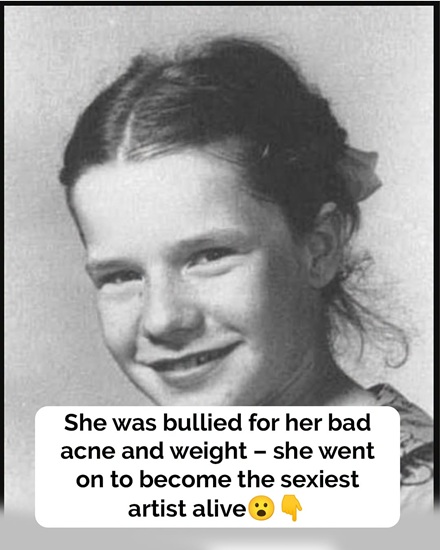
Long before she became one of the defining voices of rock music, Janis Joplin was a young woman who struggled to fit into the expectations of the community where she grew up. Born on January 19, 1943, in Port Arthur, Texas, she was raised in a working-class family by her mother, Dorothy, a college registrar, and her father, Seth Joplin, an engineer employed by Texaco. Her parents encouraged education, honesty, and faith, hoping their daughter would enjoy a stable and successful future.
From an early age, however, Janis displayed an independent personality, an intense curiosity about the world, and a determination to follow her own path rather than conform to the social expectations around her. Growing up in Port Arthur during the 1940s and 1950s exposed Janis to a community shaped by racial segregation and conservative social values.
Even as a teenager, she developed interests that set her apart from many of her classmates. She immersed herself in blues, folk music, jazz, literature, and the emerging Beat Generation culture. Friends later recalled that she admired writers who challenged convention and musicians who expressed emotion with honesty and intensity. Rather than trying to imitate those around her, Janis embraced her individuality, a decision that would eventually define both her artistic identity and her personal struggles.
School was often a difficult experience for Janis. Numerous biographies and interviews with people who knew her describe how she was frequently teased and socially isolated because she looked, dressed, and behaved differently from many of her peers. During adolescence she experienced severe acne, which left noticeable facial scars and affected her confidence. Former classmates have recalled that appearance became an unfair focus of attention, while her younger sister, Laura Joplin, later described the painful skin condition she endured as a teenager. Those experiences deeply affected Janis, yet they also strengthened her determination to seek acceptance through music rather than popularity.

As she grew older, Janis became increasingly interested in blues and folk singers whose performances conveyed raw emotion and authenticity. Artists such as Bessie Smith, Billie Holiday, Lead Belly, Odetta, and Otis Redding greatly influenced her musical development. She admired performers who communicated genuine feeling through their voices instead of relying on image or commercial appeal. That appreciation for emotional honesty would later become one of the defining characteristics of her own performances, earning admiration from audiences and fellow musicians alike.
After attending Lamar State College of Technology, Janis transferred to the University of Texas at Austin, where she continued to develop her passion for music. She often carried an autoharp, performed folk songs with friends, and participated in the city’s growing music scene. During this period, she was known for her unconventional clothing, barefoot walks across campus, and independent outlook. Although these qualities attracted close friendships among like-minded students, they also reinforced her reputation as someone who did not fit traditional expectations. Accounts from friends and family suggest she often felt like an outsider despite her growing confidence as a performer.
One frequently discussed episode from her university years involved a satirical campus contest in which Janis was reportedly associated with the title of “Ugliest Man on Campus.” While details surrounding the event have been interpreted differently over the years, biographers generally agree that the experience was deeply embarrassing for her. Rather than defining her future, however, those difficult moments became part of a broader story about perseverance. Janis continued pursuing music despite criticism directed at her appearance, demonstrating a resilience that would later inspire countless musicians who faced similar obstacles.
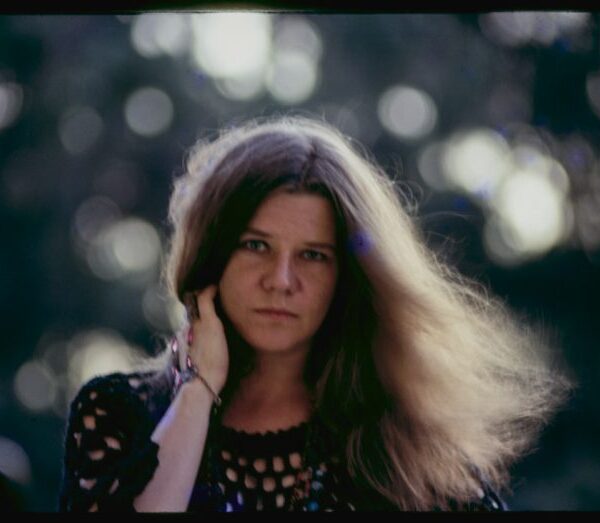
In early 1963, Janis left Texas and traveled to San Francisco, where the city’s expanding folk music community offered opportunities unavailable in her hometown. She performed in coffeehouses, lived modestly, and met musicians who appreciated her distinctive singing style. Although success did not come immediately, many people who heard her recognized the remarkable emotional power of her voice. During this period, however, she also struggled with substance use, a challenge that became increasingly serious over the following years. Later interviews and biographies documented these personal difficulties while also illustrating the pressures faced by many young artists during that era.
By 1965, Janis returned to Texas in poor health after experiencing significant personal struggles. Friends and family noticed that she appeared physically exhausted and determined to rebuild her life. She entered therapy, resumed college classes for a time, and attempted to establish greater stability. Yet music remained her greatest passion. When she received an invitation to return to San Francisco and join the rock band Big Brother and the Holding Company, she accepted the opportunity that would ultimately transform her career.
Joining the band proved to be a turning point. San Francisco had become one of the most influential centers of the emerging counterculture movement, attracting musicians, artists, writers, and audiences eager to explore new forms of creative expression. Janis quickly became known for performances that combined blues, rock, soul, and folk influences with remarkable emotional intensity. Rather than trying to imitate other singers, she developed a style entirely her own—powerful, expressive, and deeply personal. Audiences responded immediately to the authenticity she brought to every performance.
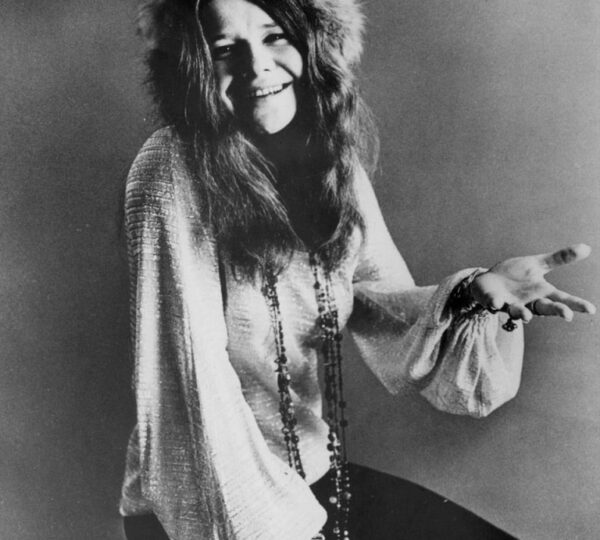
The band’s appearance at the Monterey International Pop Festival in June 1967 is widely regarded as the breakthrough that introduced Janis Joplin to a national audience. Although Big Brother and the Holding Company had originally been scheduled for a less prominent performance, their reception was so enthusiastic that organizers invited them to perform again during a prime evening program. Music industry professionals recognized the significance of the performance, and the group soon signed with Columbia Records, marking the beginning of Janis Joplin’s rise to international recognition.
By the late 1960s, Janis had become one of the most recognizable performers in American rock music. Her extraordinary vocal ability, emotional honesty, and commanding stage presence earned widespread critical acclaim. More importantly, her success challenged the entertainment industry’s narrow expectations regarding appearance and commercial image. Audiences responded not because she fit conventional beauty standards but because her performances communicated genuine feeling, vulnerability, and extraordinary musical talent. Her early experiences of rejection became part of the story that inspired generations of artists to believe that authenticity could be more powerful than conformity.
Following the success of the Monterey International Pop Festival, Janis Joplin’s career accelerated rapidly. Her performances with Big Brother and the Holding Company introduced audiences to a distinctive voice that blended blues, rock, soul, and folk influences with remarkable emotional intensity. The band’s album Cheap Thrills, released in 1968, became a commercial success and featured songs that would become closely associated with Joplin’s legacy, including “Piece of My Heart.” Critics praised not only the power of her singing but also the sincerity she brought to every performance, making her one of the defining voices of late-1960s rock music.
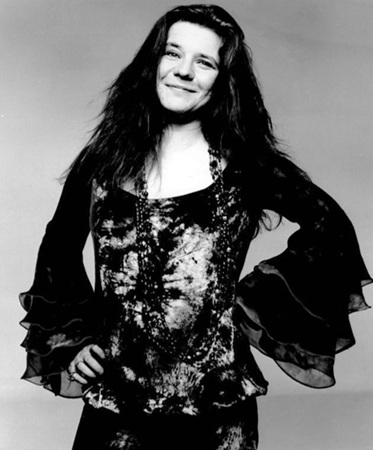
As her popularity continued to grow, Janis decided to pursue a solo career. She formed the Kozmic Blues Band, later followed by the Full Tilt Boogie Band, giving her greater creative freedom to explore different musical styles. Although adapting to a solo career brought new artistic opportunities, it also increased the pressures associated with constant touring, recording, media attention, and public expectations. Friends, colleagues, and biographers have described how balancing enormous professional success with personal challenges proved increasingly difficult during this period of her life.
Throughout her career, Janis remained deeply influenced by the African American blues artists she admired. She frequently spoke about her respect for performers such as Bessie Smith, whose emotional honesty had shaped her own approach to music. In 1970, Janis helped finance a gravestone for Bessie Smith’s previously unmarked grave in Philadelphia, together with Juanita Green, who had known Smith during her childhood. The gesture reflected Janis’s appreciation for the musicians whose work had inspired her long before she became famous and demonstrated her desire to honor their lasting contributions to American music.
Personal letters written by Janis throughout her career reveal a woman who remained closely connected to her family despite the differences between her unconventional lifestyle and the more traditional values with which she had been raised. Her parents supported her musical ambitions while also expressing understandable concern about the difficulties she faced. Her younger sister, Laura Joplin, has spoken publicly about the family’s efforts to maintain a loving relationship despite disagreements regarding certain aspects of Janis’s life. These accounts illustrate the complexity of family relationships rather than a simple story of conflict or separation.
Even after becoming an internationally recognized performer, Janis often spoke openly about feelings of loneliness and insecurity. Biographers have noted that the painful experiences of rejection during adolescence continued to affect her confidence despite her extraordinary professional achievements. At the same time, audiences consistently admired her authenticity. Rather than presenting a carefully constructed public image, she appeared on stage with remarkable honesty, allowing listeners to connect with the emotion in her performances. That openness became one of the qualities that distinguished her from many other artists of her generation.
Janis achieved several significant commercial successes during her career. Songs including “Piece of My Heart,” “Ball and Chain,” “Cry Baby,” “Down on Me,” “Summertime,” and “Try (Just a Little Bit Harder)” remain among her best-known recordings. After her death, her rendition of “Me and Bobby McGee,” written by Kris Kristofferson and Fred Foster, reached No. 1 on the Billboard Hot 100 in 1971. Another memorable recording, “Mercedes Benz,” became widely recognized for its simple, unaccompanied vocal performance and remains one of the final songs she recorded.
Janis also became an important cultural figure beyond her musical achievements. During a period of significant artistic and social change in the United States, she represented a generation of performers who challenged traditional expectations regarding music, fashion, and artistic expression. Her success helped expand opportunities for women in rock music, demonstrating that extraordinary vocal ability and authentic performance could have a lasting impact regardless of conventional industry expectations. Many later artists have cited her as an important influence on their own careers.
Despite her professional accomplishments, Janis continued to struggle with substance use throughout much of her adult life. Historical accounts and biographies document these challenges as an important part of her personal story, while also recognizing that addiction is a serious health condition affecting people from many different backgrounds. Her experiences have frequently been discussed within the broader history of rock music and the pressures associated with fame. Today, many organizations emphasize the importance of education, prevention, compassionate treatment, and access to appropriate support for individuals experiencing substance-use disorders.
On October 4, 1970, Janis Joplin died at the age of 27 in Los Angeles. The Los Angeles County Coroner determined that her death resulted from an accidental heroin overdose, with alcohol also identified as a contributing factor. Contemporary reports indicated that an unusually potent batch of heroin circulating in the area had been associated with multiple overdose deaths during the same period. Her passing occurred while she was working on what would become the album Pearl, which was released posthumously in 1971 and is widely regarded as one of the most influential recordings of her career.
Although her life was tragically brief, Janis Joplin’s artistic legacy has continued to grow over the decades. She has been inducted into the Rock and Roll Hall of Fame, received a Grammy Lifetime Achievement Award, and remains the subject of books, documentaries, exhibitions, and scholarly studies examining her influence on American music. Her recordings continue to introduce new generations of listeners to her distinctive style, while historians recognize her contribution to the evolution of blues-influenced rock music during the late twentieth century.
Today, Janis Joplin is remembered not only for her extraordinary voice but also for the resilience she demonstrated throughout her life. She overcame years of criticism about her appearance, refused to abandon her artistic vision, and built a career based on authenticity rather than conformity. Her story continues to remind audiences that lasting influence is created through talent, determination, originality, and emotional honesty. More than five decades after her death, her recordings remain celebrated around the world, ensuring that one of rock music’s most distinctive voices continues to inspire musicians and listeners alike.

