
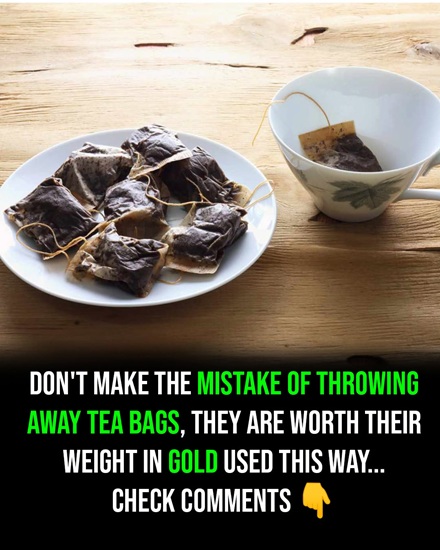
For many people, a warm cup of tea is one of life’s simplest daily pleasures. Whether enjoyed first thing in the morning, during a quiet afternoon break, or before going to bed, tea has become part of everyday routines in households around the world. After the tea has finished steeping, however, most people remove the tea bag and throw it directly into the trash without giving it a second thought. While that may seem like the obvious choice, used tea bags can often have practical uses that extend beyond brewing a single cup of tea.
Reusing tea bags is not only a simple way to reduce household waste, but it can also help people make better use of materials they already have. Depending on the type of tea and the material used to manufacture the tea bag, there may be several ways to reuse it around the home or garden before disposing of it. It is important to note, however, that not all tea bags are fully compostable. Some contain plastic fibers that do not break down naturally, so checking the manufacturer’s packaging before composting is recommended.
One traditional use for cooled black tea bags involves soothing skin after mild sun exposure. Black tea naturally contains compounds known as tannins and polyphenols, which have been studied for their antioxidant and anti-inflammatory properties. Some people find that placing a cool, damp tea bag on mildly sun-exposed skin provides a temporary cooling sensation and may help relieve minor discomfort. Although this home remedy is popular, it should not replace appropriate medical care for severe sunburns, blistering, or signs of heat-related illness.
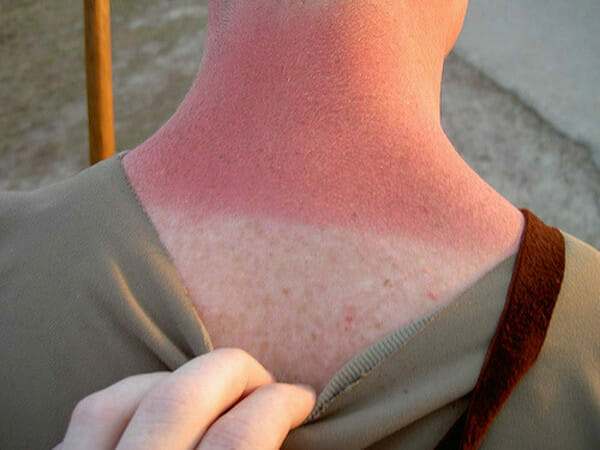
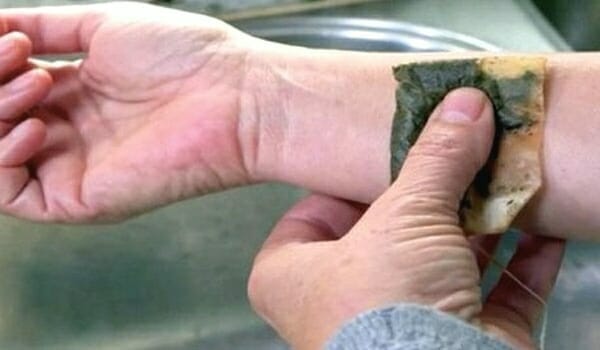
Similarly, some individuals use cooled black tea bags to provide temporary comfort for minor skin irritation or superficial burns after the affected area has first been cooled with running water, as recommended by first-aid guidelines. The cooling temperature of the tea bag itself may contribute to short-term comfort. However, healthcare professionals advise that serious burns, large burns, burns involving the face or hands, or burns with blistering should always receive prompt medical evaluation rather than relying on home remedies.
Another commonly discussed household use involves placing chilled tea bags over puffy eyes. After brewing tea, the cooled bags can be refrigerated for a short period before being gently placed over closed eyelids for several minutes. Some people report that the cool temperature, combined with naturally occurring compounds found in tea, temporarily reduces the appearance of mild puffiness. While scientific evidence supporting this practice remains limited, the cooling effect alone may provide a refreshing sensation after a long day or a poor night’s sleep.
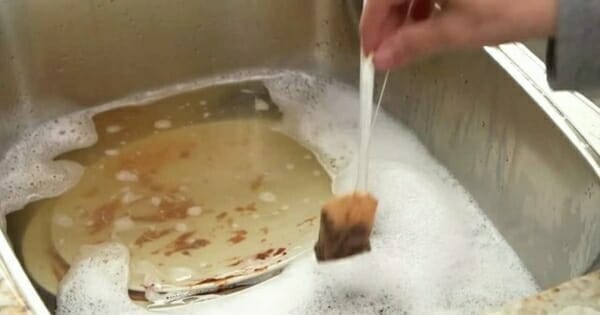
Tea bags have also become popular in household cleaning. After washing dishes, cookware, or baking pans with stubborn grease, some people soak heavily soiled items in warm water together with previously used tea bags. Although the primary cleaning effect still comes from soaking and dish detergent, some users report that tea may help loosen dried food residue, making scrubbing somewhat easier. This inexpensive method can be worth trying for light household cleaning, though heavily burned cookware may still require specialized cleaning products.
Many gardeners also find value in used tea leaves. Compostable tea bags or loose tea leaves can often be added to compost piles, where organic material gradually breaks down into nutrient-rich compost suitable for many garden plants. Tea leaves contribute organic matter that supports healthy compost development when balanced with other compost ingredients such as vegetable scraps, grass clippings, and dry leaves. Before adding whole tea bags, gardeners should confirm that the bag itself does not contain synthetic materials.
Some gardeners also choose to place loose tea leaves directly into garden soil around certain ornamental plants after confirming that the tea contains no added sweeteners or artificial ingredients. As the leaves gradually decompose, they contribute small amounts of organic material to the soil. While tea leaves should not be considered a complete fertilizer, they may complement a balanced gardening routine that includes proper watering, compost, and appropriate plant nutrition based on the specific needs of each species.
Because interest in environmentally friendly household practices continues to grow, many families are looking for simple ways to reduce waste without making major lifestyle changes. Reusing certain household items before discarding them can be one practical step toward that goal. Used tea bags represent a small example of how everyday products sometimes have additional value beyond their original purpose, provided they are reused safely and appropriately.
It is important to remember that not every traditional household tip has been confirmed by strong scientific research. Some suggestions have been passed down through generations based primarily on personal experience rather than large clinical studies. Whenever home remedies involve medical conditions or skin concerns, they should be approached with reasonable caution and should never delay professional medical evaluation when symptoms are severe, persistent, or worsening.
In the second part of this article, we will explore additional commonly suggested uses for used tea bags—including gardening applications, traditional household tips, and important safety considerations—while distinguishing between evidence-supported information and popular home practices.
Another commonly discussed use for used tea bags involves helping support healthy compost and garden soil. When tea bags are made from fully compostable materials, they can often be added to a compost pile along with fruit peels, vegetable scraps, leaves, and other organic waste. As these materials naturally decompose, they contribute to the production of compost that may improve soil structure and moisture retention. Before composting, it is important to confirm that the tea bag does not contain plastic fibers or synthetic mesh, as some commercial tea bags are not fully biodegradable.
Loose tea leaves from previously brewed tea may also be mixed into garden soil in moderation. As the organic material breaks down, it can contribute small amounts of nutrients while encouraging healthy microbial activity within the soil. Many gardeners choose to use compost containing tea leaves around ornamental plants, shrubs, and certain flowers as part of an overall soil improvement strategy. However, tea leaves should not be viewed as a replacement for balanced fertilizers or proper plant care, since different plants have different nutritional requirements.
Some gardening enthusiasts also experiment with brewed tea as part of homemade weed management routines. While various recipes using black tea, vinegar, or citrus ingredients are frequently shared online, scientific evidence supporting tea itself as an effective weed killer is limited. In many cases, any weed-control effect comes primarily from ingredients such as vinegar rather than the tea. Home gardeners should therefore use caution and rely on established gardening recommendations when managing unwanted plants, especially around flowers or vegetables they wish to protect.
Used tea bags can also be helpful when reducing household waste. Rather than throwing every tea bag directly into the trash after brewing, people may choose to separate the organic tea leaves for composting while disposing of non-compostable packaging appropriately. Small habits like these can contribute to more sustainable household routines over time. Although the environmental impact of one tea bag may seem minor, many small efforts combined can help reduce unnecessary waste.
Some people enjoy using cooled tea bags as part of a relaxing self-care routine. Chilled tea bags placed over closed eyes may provide a refreshing sensation after spending long hours working, reading, or using digital screens. The cool temperature often provides temporary comfort regardless of the type of tea used. While this practice should not be considered a medical treatment for eye conditions, many individuals find it to be a simple way to relax for a few minutes during a busy day.
It is equally important to recognize the limitations of home remedies. Suggestions found online are often based on personal experiences rather than large clinical studies. A remedy that feels helpful for one individual may not produce the same results for someone else. Whenever symptoms involve significant pain, infection, persistent skin changes, vision problems, or other ongoing medical concerns, professional medical evaluation remains the safest course of action. Home remedies should complement—not replace—evidence-based healthcare.
When reusing tea bags, cleanliness should also be considered. Tea bags that have been sitting at room temperature for extended periods may develop mold or bacterial growth, particularly in warm and humid environments. If you plan to reuse a tea bag for gardening or another household purpose, it is generally best to do so soon after brewing or store it properly for a short period according to the intended use. Tea bags showing signs of spoilage, unusual odors, or visible mold should be discarded immediately.
Another factor worth remembering is that not all teas are identical. Black tea, green tea, herbal tea, chamomile, peppermint, rooibos, and other varieties contain different natural compounds. As a result, traditional household uses associated with one type of tea may not necessarily apply to another. Reading product information and understanding the specific ingredients can help people make informed decisions before attempting any reuse.
The growing popularity of sustainable living has encouraged many households to look more carefully at everyday products that might have a second purpose. Reusing suitable materials when practical, recycling appropriately, composting organic waste, and reducing unnecessary disposal are all small habits that can contribute to a more environmentally conscious lifestyle. Used tea bags represent just one example of how ordinary kitchen items may sometimes serve additional functions before reaching the end of their useful life.
Ultimately, the best approach is a balanced one. Some traditional uses for used tea bags may offer practical benefits, while others remain supported primarily by personal experience rather than strong scientific evidence. By distinguishing between evidence-based recommendations and traditional household tips, readers can make informed choices that prioritize both safety and effectiveness. Whether enjoying tea for its flavor, relaxing with a warm cup at the end of the day, or finding responsible ways to reuse appropriate materials, thoughtful habits can benefit both the household and the environment.

