
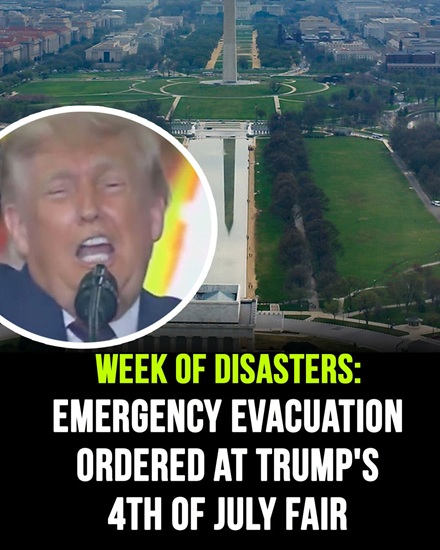
Large outdoor events in the United States often bring together thousands of people for cultural celebrations, political gatherings, concerts, and national commemorations. However, these large-scale public events also face serious operational risks, especially when held during periods of extreme summer heat. In recent years, heatwaves have become a growing concern for event organizers, particularly in cities like Washington, D.C., where humidity and temperature can reach dangerous levels.
Extreme heat conditions, especially those approaching or exceeding 100°F (38°C), can create serious health risks for attendees. According to public health guidelines, prolonged exposure to high temperatures can lead to dehydration, heat exhaustion, and in severe cases, heat stroke. These risks increase significantly in crowded environments such as outdoor festivals, where access to shade and water may be limited and where large crowds can make evacuation or movement more difficult.
In environments such as the National Mall in Washington, D.C., where many large events are held, open-air layouts can amplify heat exposure. The combination of direct sunlight, reflective surfaces, and limited tree coverage in some areas can make the “feels like” temperature significantly higher than the actual recorded temperature. As a result, organizers are required to closely monitor weather conditions and coordinate with local authorities to ensure public safety.
When conditions reach unsafe levels, event organizers often rely on emergency protocols that include temporary suspension of activities or full evacuation of the site. These decisions are typically made in coordination with city officials, emergency medical services, and security teams. Public address systems and digital alerts are commonly used to guide attendees toward exits or cooling stations in an organized manner.
Large public events often include multiple layers of contingency planning. These can involve medical tents, hydration stations, shaded rest areas, and emergency response units positioned throughout the venue. Despite these precautions, extreme weather can still overwhelm planned safety measures, especially when conditions change rapidly or when crowd density is high.
Heat-related disruptions at public events are not uncommon in the United States. Over the past decade, several festivals, sporting events, and outdoor concerts have experienced delays or cancellations due to unsafe temperatures. Meteorologists and climate researchers have noted that rising global temperatures are increasing the frequency and intensity of heatwaves, making event planning more complex than in previous decades.
Event safety experts emphasize that crowd management becomes significantly more challenging during extreme heat. People exposed to high temperatures for extended periods may experience dizziness, fatigue, or confusion, which can slow evacuation procedures. This is why many large-scale events now include dedicated heat emergency plans that are activated when temperature thresholds are exceeded.
In addition to weather-related risks, large public events also face logistical challenges such as power supply stability, infrastructure strain, and equipment reliability. Outdoor venues require significant electrical support for lighting, sound systems, food vendors, and cooling equipment. In some cases, overloads or technical failures can temporarily disrupt operations, requiring backup systems to be activated.
Food and beverage supply chains can also be affected by extreme heat. Perishable goods such as dairy products, ice cream, and prepared foods require consistent refrigeration. When power interruptions occur or cooling systems fail, vendors may experience losses or be forced to shut down temporarily. This can add to crowd frustration and complicate event operations.
Security and crowd control are also major considerations. Large events often attract tens of thousands of visitors, and maintaining safe movement patterns is essential. In extreme conditions, authorities may limit entry points, redirect foot traffic, or reduce access to certain areas in order to prevent overcrowding and heat-related incidents.
Public communication plays a critical role in managing these situations. Clear, real-time updates through loudspeakers, mobile alerts, and digital signage help ensure that attendees understand evacuation routes or safety instructions. Effective communication can significantly reduce panic and improve compliance during emergency situations.
In recent years, climate adaptation has become a key focus for event organizers. Many major cities have begun updating their emergency preparedness guidelines to account for more frequent heatwaves. This includes expanding shaded areas, increasing water distribution points, and improving coordination with emergency medical teams.
Experts also stress the importance of public awareness. Attendees at large outdoor events are encouraged to stay hydrated, wear appropriate clothing, and monitor for signs of heat-related illness. Simple precautions can significantly reduce risk, especially during peak summer months.
Although fictionalized or exaggerated reports about event failures sometimes circulate online, real-world event management is highly structured and carefully regulated. Organizers of major national events work closely with government agencies to ensure safety standards are met and that contingency plans are in place for a wide range of scenarios.
Ultimately, extreme heat remains one of the most significant challenges for outdoor public gatherings. As temperatures continue to rise globally, cities and event planners will likely need to invest even more heavily in infrastructure, emergency planning, and climate resilience strategies to ensure that large-scale events remain safe and accessible.

