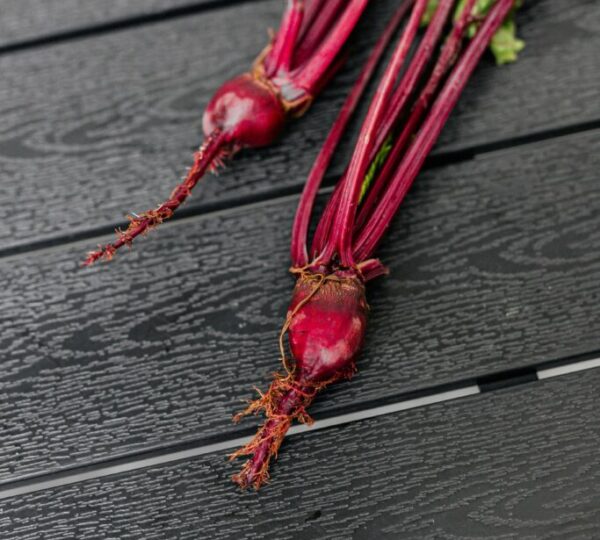
Beetroot is one of the most recognizable vegetables because of its deep red-purple color, earthy taste, and tendency to stain almost anything it touches. For many years, some people associated it mainly with pickled side dishes or old-fashioned salad bars, while others enjoyed it roasted, boiled, or served fresh. In recent years, however, beetroot has attracted much more attention in nutrition and sports-science research. That interest comes largely from its natural nitrate content, but also from its fiber, folate, minerals, and distinctive betalain pigments.
These features make beetroot scientifically interesting, although they do not turn it into a miracle food or a treatment for disease. Beetroot belongs to the species Beta vulgaris, which also includes related cultivated plants such as chard and sugar beet. The edible root can appear red, purple, golden, white, or striped depending on the variety. Red and purple beets get much of their color from betalains, a class of plant pigments that differs from the anthocyanins found in many berries.
These pigments are visually striking and have shown antioxidant activity in laboratory research. Their presence contributes to interest in beetroot, but laboratory activity should not automatically be interpreted as proof that eating beets prevents illness in humans. From a nutritional standpoint, whole beetroot is a relatively low-calorie food that provides carbohydrate, water, fiber, vitamins, and minerals.
Folate is one of its notable nutrients and is important for DNA synthesis, cell division, and normal blood-cell production. Beets also provide manganese, potassium, and smaller amounts of other nutrients. These are useful contributions to a balanced diet, especially when beetroot is eaten alongside a variety of other vegetables. Like most foods, its benefits are best understood as part of an overall eating pattern rather than as the effect of one isolated ingredient.
The fiber in whole beetroot deserves attention as well. Fiber supports normal bowel function and can help increase stool bulk. Certain fibers are also fermented by microorganisms in the large intestine, which contributes to normal gut activity. Diets that include adequate fiber from vegetables, fruits, legumes, whole grains, nuts, and seeds are generally associated with better digestive health. Whole beetroot can contribute to that intake, while beet juice contains less fiber because much of the solid plant material is removed.
The feature that has generated the most scientific interest is beetroot’s relatively high concentration of inorganic nitrate. After nitrate-rich foods are eaten, some nitrate enters the bloodstream and is later concentrated in saliva. Bacteria that naturally live in the mouth can convert part of that nitrate into nitrite. After swallowing, additional biological processes can contribute to the formation of nitric oxide. Nitric oxide is an important signaling molecule involved in blood-vessel function and several other physiological processes.
One important action of nitric oxide is its effect on vascular tone. It can help smooth muscle surrounding blood vessels relax, allowing those vessels to widen. This can influence circulation and, in some circumstances, blood pressure. That mechanism has led researchers to investigate beetroot juice as a possible dietary tool for people with elevated blood pressure. The results suggest a modest effect in some groups, but the evidence should be described carefully rather than dramatically.
Research has found that nitrate-rich beetroot juice may reduce systolic blood pressure in some adults with hypertension. However, the average effect seen in studies is modest and not consistent across every type of blood-pressure measurement. It is therefore inaccurate to say that beetroot cures hypertension or works as a replacement for blood-pressure medication. Hypertension is influenced by many factors, including genetics, age, body weight, sodium intake, physical activity, sleep, kidney function, medications, and other health conditions. Dietary changes can support treatment, but they should not replace professional medical care.
Anyone who has been diagnosed with high blood pressure should continue following the treatment plan recommended by their healthcare professional. Beetroot can be included as part of a healthy diet if appropriate, but medication should not be stopped because of claims made in a nutrition article. People who already have low blood pressure or use blood-pressure-lowering medications may also want to be cautious with very large amounts of concentrated beetroot juice. Ordinary portions of cooked or raw beets are generally well tolerated by most people, while concentrated supplements may deliver much higher nitrate doses.
The same nitrate pathway has made beetroot popular in sports nutrition. Scientists have studied whether increased nitric oxide availability can influence how efficiently muscles use oxygen during exercise. Some studies suggest that nitrate supplementation can produce small improvements in certain types of endurance or high-intensity performance. Other studies show little or no benefit. The response appears to depend on factors such as the person’s training level, the exercise being performed, the dose used, and how long supplementation is continued.
This means that claims suggesting beetroot automatically makes every athlete faster or dramatically improves stamina are too strong. The average effects reported in research are usually modest. For elite athletes, even a small difference can matter, which helps explain why beetroot shots and nitrate-rich products have become popular in competitive sport. Recreational exercisers may also notice benefits in some situations, but the response is not guaranteed. Training quality, sleep, nutrition, hydration, and recovery remain much more important than any single supplement.

Some research suggests that recreationally trained people may respond more clearly than highly trained elite athletes. One possible explanation is that elite athletes already have highly adapted cardiovascular and muscular systems. However, this pattern is not universal, and study results vary. The type of activity also matters because cycling, running, sprinting, strength training, and repeated high-intensity exercise rely on different physiological systems. Beetroot should therefore be viewed as a possible small performance aid rather than a shortcut to athletic success.
The timing of nitrate intake is another factor. Research protocols often provide beetroot juice several hours before exercise because the conversion from nitrate to nitrite and then to nitric oxide takes time. Some studies use repeated daily supplementation instead of a single dose. Commercial products also vary widely in nitrate concentration, so one bottle of beet juice may not provide the same amount used in a clinical trial. These differences make it difficult to translate research results directly into one universal recommendation.
Athletes should also remember that beetroot itself is simply a food, while commercial powders or shots may contain additional ingredients. Anyone subject to anti-doping rules should be careful with supplements because contamination can occur in products that are not independently tested. This caution applies to sports supplements generally, not to beets specifically. Choosing reputable products and understanding what they contain is more important than following marketing claims.
The role of bacteria in the mouth is another interesting part of nitrate metabolism. Because these bacteria help convert nitrate to nitrite, researchers have studied whether strong antibacterial mouthwash can interfere with the process. Some studies suggest that it can reduce nitrate conversion under certain conditions. This does not mean that people should stop brushing their teeth or ignore oral hygiene. Good dental care remains important, and nutritional goals should not be used as a reason to neglect it.
Betalains are another group of compounds that contribute to interest in beetroot. These pigments include red-purple betacyanins and yellow-orange betaxanthins. In laboratory settings, some betalains demonstrate antioxidant and anti-inflammatory activity. This has led to research into whether they could influence oxidative stress or inflammatory pathways in humans. The evidence is promising in some areas, but it is not strong enough to describe beetroot as a treatment for inflammatory disease.
This is particularly important when discussing conditions such as arthritis. Some articles claim that beetroot can substantially reduce arthritis pain or act like an anti-inflammatory medicine. Human evidence does not justify that level of certainty. People with rheumatoid arthritis or another inflammatory disease should not replace medication with beetroot or beetroot extracts. A nutritious diet can support general health while medical therapy addresses the underlying disease.
Antioxidant claims also require perspective. Reactive oxygen species are normal products of metabolism and can play useful roles in signaling and immune function. They are not simply toxins that must all be eliminated. The body already has its own antioxidant systems. Plant foods can contribute compounds that influence oxidative balance, but health is not determined by how many isolated “antioxidants” someone consumes.
Vegetables are beneficial for many reasons beyond antioxidant activity. They provide fiber, water, vitamins, minerals, and a wide range of phytochemicals. They are also often less calorie-dense than highly processed foods. Focusing only on betalains can make beetroot seem more magical than it really is. Its overall food structure and its place within a varied diet are more important than one pigment.
Digestive health is another area where beetroot can make a useful contribution. Whole beets contain dietary fiber, which supports normal bowel function. Fiber also provides substrates that some gut microorganisms can use. This is one reason plant-rich diets are often associated with a more diverse intestinal environment. However, saying that beetroot specifically “heals the gut” would go beyond the available evidence.
Research examining beetroot juice and the gut microbiome is still developing. Some small studies have reported changes in certain bacterial populations, but these findings do not prove that beetroot universally improves digestive health. The gut microbiome is influenced by many aspects of diet and lifestyle. A varied intake of vegetables, fruits, legumes, whole grains, nuts, and seeds is more likely to matter than relying on one vegetable alone.
The same caution applies to claims about liver detoxification. The liver already performs essential metabolic and filtering functions every day. It processes nutrients, medications, alcohol, hormones, and many other substances. The kidneys, lungs, digestive tract, and other organs also contribute to normal waste elimination. A particular food does not need to “cleanse” the liver in order for the body to manage these processes.
Beetroot contains betaine, a compound involved in several metabolic pathways. Betaine has been studied in relation to liver metabolism and other aspects of health. However, that does not mean eating beets prevents fatty liver disease or repairs liver damage. People with liver disease need proper diagnosis and medical management. Beetroot can be part of a balanced diet, but it is not a substitute for treatment.
Fiber in beetroot may also influence digestive processes such as stool formation and bile-acid metabolism. These are real physiological effects. However, describing fiber as removing vague “toxins” from the body can be misleading. More precise explanations are preferable because they reflect what the digestive system is actually doing. Nutrition information becomes more trustworthy when it avoids undefined detox language.
Supporting liver health involves much broader habits. Maintaining an appropriate body weight, limiting excessive alcohol consumption, staying physically active, managing diabetes, and following medical advice are far more important than eating one specific vegetable. A generally nutritious diet supports the body’s normal functions. Beetroot can fit into that diet, but it cannot undo major liver risks by itself.
Brain health has also become part of the conversation because nitric oxide influences circulation. Researchers have investigated whether nitrate-rich foods might increase blood flow in certain regions of the brain. Some early studies found interesting changes in cerebral blood flow after nitrate intake. These results led to speculation that beetroot could support cognitive function in older adults. However, later research has not consistently shown meaningful improvements in memory or thinking ability.
For this reason, claims that beetroot prevents dementia or stops cognitive aging are not established. The brain depends on adequate circulation, but cognitive health is influenced by many factors. Genetics, cardiovascular disease, diabetes, hearing, physical activity, education, sleep, social engagement, smoking, alcohol use, and neurological disease all play roles. Beetroot represents only one possible dietary factor within this much larger picture.
Someone experiencing new memory loss, confusion, or other cognitive symptoms should not rely on beet juice as a treatment. These changes can have many medical causes and deserve appropriate assessment. Research into nitrate-rich diets and brain health remains scientifically interesting, but it should still be described as ongoing. A plausible mechanism is not the same as a proven clinical outcome.
The same principle applies to claims about concentration and mental clarity. Eating beetroot does not work like switching on a mental performance button. Nitric oxide may influence vascular function, but subjective focus depends on sleep, stress, blood sugar, medications, mental health, and many other factors. Someone who feels chronically foggy or fatigued should not assume that they simply need more beetroot. Persistent symptoms can warrant medical evaluation.
Whole beetroot can still contribute to a heart-healthy dietary pattern. Diets rich in vegetables are generally recommended because they provide fiber, micronutrients, and a wide range of plant compounds. Replacing some highly processed foods with vegetables can improve overall dietary quality. Beetroot can be one useful option among many. It does not need to be superior to every other vegetable in order to be worthwhile.
The popular word “superfood” has no formal medical definition. It is mainly a marketing and media term. Calling beetroot a superfood can create unrealistic expectations that it has powers other foods do not possess. In reality, many vegetables and plant foods offer valuable nutrients. Spinach, broccoli, beans, tomatoes, berries, carrots, oats, nuts, and many other foods can all support good nutrition.
Variety is more important than searching for one perfect ingredient. Different foods provide different combinations of fiber, vitamins, minerals, and phytochemicals. Eating many kinds of plant foods is generally more sensible than consuming very large amounts of one item. Someone who dislikes beetroot can still follow an excellent diet without ever eating it. No single vegetable is nutritionally mandatory.
Beets can be prepared in many ways, which may make them more appealing to different tastes. Roasting often increases their sweetness and gives them a softer texture. Boiling and steaming are also common. Raw beetroot can be grated or sliced thinly into salads. Pickled beets remain popular, although commercially prepared versions may contain substantial sodium or added sugar.
Reading food labels is useful when choosing pickled products. A vegetable can become high in sodium depending on how it is preserved. Similarly, added sugar can change the nutritional profile. The same beet can therefore look very different nutritionally depending on preparation. It is better to consider the complete product than to assume that every form is equally healthy.
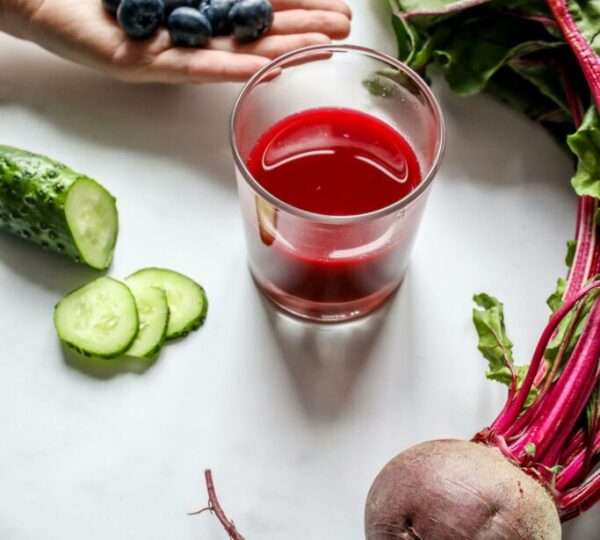
Beet juice has a different nutritional profile from whole beetroot. It can provide a concentrated source of nitrate and some plant compounds, which is why it is commonly used in sports and blood-pressure studies. However, juicing removes much of the intact fiber. A person looking to increase fiber intake would generally gain more from eating whole beets. Someone interested specifically in dietary nitrate may choose juice for convenience.
Beetroot powders are another option, but their composition varies. Some products are intended mainly as food powders, while others are marketed specifically for nitrate content. Processing and storage can influence the amount of nitrate present. A powder should not automatically be assumed to reproduce the exact dose used in research. Marketing claims should therefore be treated carefully.
Kidney stones are one practical consideration. Beets can contain relatively high levels of oxalate. In people who repeatedly form calcium oxalate kidney stones, a healthcare professional or dietitian may sometimes recommend limiting certain high-oxalate foods. This advice is individualized and does not mean everyone should avoid beets. Most people without relevant medical history do not need to fear normal beetroot portions because of oxalate.
Stone formation is affected by many dietary and medical factors. Fluid intake, sodium intake, calcium intake, animal protein, and other factors can all influence risk. Restricting healthy foods unnecessarily can make diets less varied. People with recurrent kidney stones should follow personalized advice rather than relying on generic internet lists. The type of stone matters when planning diet.
Beeturia is another harmless but surprising effect. After eating red beets or drinking beet juice, some people’s urine can become pink, red, or purple. Stool may also change color. This happens because betalain pigments can pass through the digestive system and appear in waste. The effect is usually temporary and harmless.
However, red urine or stool should not always be assumed to come from beets. Blood in the urine or gastrointestinal bleeding can occur for other reasons. If discoloration appears without recent beet consumption, persists, or is accompanied by pain, fever, clots, weakness, or other concerning symptoms, medical advice is appropriate. Food can explain many cases, but uncertainty should be taken seriously.
People with diabetes may also wonder about beetroot because it contains naturally occurring sugars and carbohydrate. Whole beets include fiber, while juice can be consumed much more quickly and provides less fiber. Beetroot can usually fit into a diabetes-friendly eating plan, but portion size and total carbohydrate intake still matter. It should not be promoted as a treatment for diabetes.
Someone managing diabetes should base food choices on their overall plan, medications, glucose patterns, and professional advice. A dietitian can help if specific guidance is needed. No evidence supports replacing diabetes medication with beetroot. Claims that beet juice cures or reverses diabetes are misleading.
Low blood pressure is another reason to be cautious with concentrated nitrate products. Because nitrate can influence vascular tone, very large amounts of beetroot juice might lower blood pressure further in susceptible individuals. This does not make beetroot unsafe for most people. It simply means that concentrated intake deserves more consideration than ordinary food portions.
Natural does not automatically mean risk-free. Many natural compounds have real biological effects, which is precisely why they are studied scientifically. Beetroot is generally safe as a food, but supplements and concentrated juices can deliver much larger amounts of active compounds. Personal medical history and medication use can influence what is appropriate. Sensible nutrition avoids both fear and exaggeration.
Another common misunderstanding involves red blood cells. Folate in beetroot is necessary for normal blood-cell production, but eating more beets does not force the body to create excessive red blood cells. Nutrient requirements have limits. Correcting a deficiency is different from consuming additional amounts when nutritional needs are already being met. This distinction matters when discussing any vitamin or mineral.
The red color of beetroot also sometimes leads people to believe that it is especially rich in iron or acts as a direct treatment for anemia. Its color does not come from iron. It comes mainly from betalain pigments. Beetroot does contain some iron, but it should not be relied upon to treat clinically significant iron-deficiency anemia. Iron deficiency needs proper diagnosis because blood loss, diet, absorption problems, pregnancy, and other causes may require different management.
Pregnant people can benefit from folate-containing foods, and beetroot can be one such food. However, food folate should not replace recommended folic acid supplementation when a healthcare professional advises it. Adequate folic acid before conception and during early pregnancy has an established role in reducing the risk of neural tube defects. Beetroot can contribute to a varied diet while supplementation provides a more reliable amount when needed.
Manganese in beets also supports enzyme systems involved in metabolism and normal physiology. However, one serving should not be described as a treatment for bone problems. Bone health depends on many factors, including calcium, vitamin D, protein, hormones, genetics, age, and physical activity. Nutrition works through combined patterns rather than isolated nutrient claims. Beetroot can contribute manganese without being a bone-health medicine.
Potassium in beetroot plays a role in fluid balance, muscle function, nerve signaling, and blood-pressure regulation. Potassium-rich diets can be beneficial for many people, particularly when they replace highly processed foods. However, some people with kidney disease need to restrict potassium. These individuals should follow personalized medical advice rather than deliberately increasing high-potassium foods.
This illustrates why health recommendations cannot always be universal. A food that is nutritious for most people may need to be modified for someone with a specific condition. Beetroot is generally safe and useful within a balanced diet, but kidney disease, recurrent kidney stones, low blood pressure, and certain medications can change how much is appropriate. Context matters.
More is also not necessarily better. Drinking extremely large quantities of beet juice does not mean benefits will continue increasing. Research usually uses controlled doses rather than unlimited intake. A diet dominated by one food can also reduce variety. Moderate amounts within a balanced eating pattern are more sensible than trying to maximize beetroot consumption.
People interested in dietary nitrate should remember that beetroot is not the only source. Leafy vegetables such as spinach, rocket or arugula, and lettuce can also contain substantial nitrate. The nitrate-nitrite-nitric oxide pathway therefore applies to a broader group of plant foods. Beetroot has become popular in research partly because juice provides a convenient and concentrated nitrate source.
The word nitrate can sometimes cause confusion because nitrates and nitrites are also discussed in relation to processed meats. The nutritional context is different. Vegetables provide nitrate alongside vitamin C, fiber, and numerous plant compounds. Epidemiological evidence about vegetable-rich diets is very different from concerns associated with high intake of certain processed meats. It is misleading to treat all dietary nitrate as though it exists in the same food environment.
Preparation methods can also alter flavor and some nutritional characteristics. Roasting tends to intensify sweetness, while boiling can move some water-soluble nutrients into the cooking water. Raw beets retain a crisp texture. Fermented and pickled preparations introduce additional factors such as salt, vinegar, and sometimes sugar. There is no single method everyone must use.
Beet greens are edible as well and can be prepared similarly to other leafy vegetables. They provide their own mix of vitamins and minerals. Using both the root and leaves can reduce food waste. As with other greens, people with certain kidney or oxalate-related dietary restrictions may need to consider their individual medical advice.
For people who dislike the earthy flavor of red beets, golden varieties may be easier to enjoy. Pairing beets with acidic ingredients such as citrus or vinegar can also change the flavor profile. Herbs, yogurt, grains, beans, cheese, nuts, and seeds can all complement them. The nutritional goal does not require eating plain beetroot if another preparation is more enjoyable.
Scientific research on functional foods can be exciting because it shows how everyday foods interact with human biology. Beetroot is a particularly interesting example because its nitrate passes through a pathway involving oral bacteria, saliva, the digestive system, blood circulation, and vascular signaling. That biology is genuinely fascinating. It does not need sensational claims to make the vegetable worth studying.
The strongest evidence currently relates to dietary nitrate, blood pressure, and some forms of exercise performance. The effects are generally modest and vary between people. Research into betalains, inflammation, gut microbiota, brain function, and liver metabolism is less conclusive. These areas remain important scientific questions, but they should be described as developing rather than settled.
A food can be useful even when it does not act like a medicine. Beetroot provides nutrients and can contribute to vegetable intake. Whole beets add fiber, while juice offers a concentrated nitrate source. These are practical nutritional qualities. They do not require claims about curing chronic disease.
The overall diet remains much more important than any single ingredient. Eating a variety of vegetables, fruits, legumes, whole grains, nuts, appropriate protein sources, and other minimally processed foods creates a stronger nutritional foundation. Physical activity, adequate sleep, not smoking, limiting excessive alcohol intake, and following medical treatment also matter greatly. Beetroot can complement these habits but cannot replace them.
This perspective can prevent unrealistic expectations. A person should not expect dramatic improvements in blood pressure, stamina, memory, or inflammation after adding one vegetable to meals. Health outcomes develop from many interacting factors. Small dietary improvements can still be valuable even when they do not create noticeable immediate changes. Sustainable habits usually matter more than short-term nutrition trends.
Beetroot does not need to be described as a miracle food in order to deserve a place on the plate. Its nutrient content is real. Its nitrate chemistry is real. Its possible modest effects on systolic blood pressure and certain forms of exercise performance are supported by research. That is already enough to make it interesting.
What should be avoided are unsupported promises. Beetroot has not been proven to prevent dementia, cure arthritis, detoxify the liver, eliminate chronic inflammation, or replace medication for hypertension. These are much stronger claims than the science can support. Keeping that distinction clear protects readers from misinformation.
Someone with a diagnosed medical condition should discuss substantial dietary changes or concentrated supplements with a qualified healthcare professional when appropriate. This is especially relevant for people taking blood-pressure medication, managing kidney disease, or dealing with recurrent kidney stones. Ordinary food portions are very different from concentrated extracts or high-dose juice products. The form and amount matter.
For most healthy adults who enjoy it, beetroot can simply be part of normal meals. It can be roasted, steamed, grated raw, added to salads, blended into smoothies, or used in soups. There is no universal requirement to eat it every day. Variety remains more important than repetition.
If someone chooses beet juice specifically for sports purposes, expectations should remain realistic. It may support a small improvement in some performance outcomes, but it will not compensate for poor training, inadequate sleep, or insufficient nutrition. Athletes still need carbohydrates, protein, hydration, recovery, and structured training. Beetroot is at most one small part of a much larger system.
The same applies to cardiovascular health. Nitrate-rich vegetables can support a healthy dietary pattern, but blood pressure is influenced by many lifestyle and medical factors. A person with hypertension benefits far more from comprehensive management than from relying on one drink. Beetroot may complement that approach, not replace it.
For brain health, physical activity, blood-pressure control, diabetes management, adequate sleep, social engagement, hearing care, and other factors all deserve attention. Beetroot may continue to be studied for possible vascular effects in the brain. At present, it should not be promoted as a proven cognitive-protection strategy. Scientific uncertainty should remain visible.
For digestion, the strongest practical advantage of whole beets is their fiber content. Fiber supports normal bowel function and contributes to a plant-rich diet. The microbiome may also respond to dietary patterns over time. There is no need to describe the vegetable as a specialized detox or gut-healing treatment. Simple, accurate language is more useful.
The history of beetroot’s changing reputation is interesting in its own right. A vegetable once dismissed by some people as old-fashioned has become a common subject of cardiovascular and sports-nutrition research. That shift reflects genuine scientific curiosity. It does not mean every health claim attached to beets is now proven.
The most balanced conclusion is that beetroot is a nutritious vegetable with unusual nitrate chemistry and distinctive plant pigments. It may modestly affect blood pressure and some types of exercise performance under certain conditions. Other proposed benefits remain less certain. These findings are meaningful without being exaggerated.
Long-term health is built from many small choices rather than one perfect food. Beetroot can be one of those choices if someone enjoys it. Another person can obtain excellent nutrition from a different collection of vegetables. Flexibility is part of a sustainable diet.
Ultimately, beetroot is best understood neither as a forgotten side dish nor as a hidden cure. It is a colorful, nutrient-containing root vegetable with several biologically interesting compounds. Some of those compounds have measurable effects in human research, while others are still being investigated. The science becomes more credible when these differences are explained honestly.
Enjoying beetroot as part of a varied diet is a reasonable choice for most people. Concentrated beet products may be useful in specific contexts, but they deserve more caution than ordinary servings. Medical conditions and medications can change what is appropriate. Individual needs always matter.
The most useful message is therefore simple. Beetroot can support a healthy eating pattern, but it should not carry the burden of solving complex medical problems. It can contribute fiber, folate, potassium, manganese, nitrate, and betalain pigments while remaining just one part of an overall diet. That realistic role is both scientifically defensible and nutritionally valuable.
In the end, the renewed interest in beetroot reflects something broader about nutrition science. Ordinary foods can contain compounds that interact with the body in sophisticated ways. Learning about those interactions can improve understanding without turning food into medicine. Beetroot is a good example of how scientific curiosity and balanced nutrition can meet without resorting to hype.
