
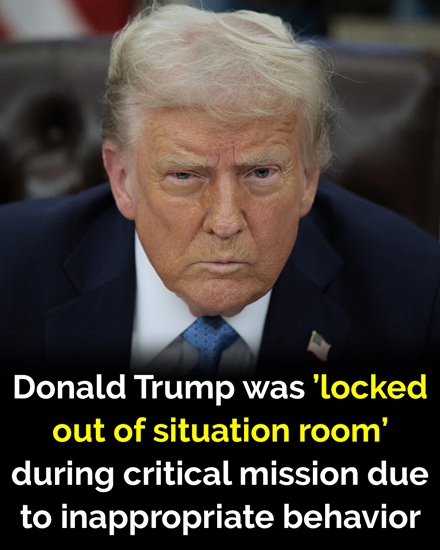
In times of military tension or battlefield incidents, the United States operates through a highly structured and carefully coordinated national security system. Decisions are made through established protocols involving multiple agencies working together.
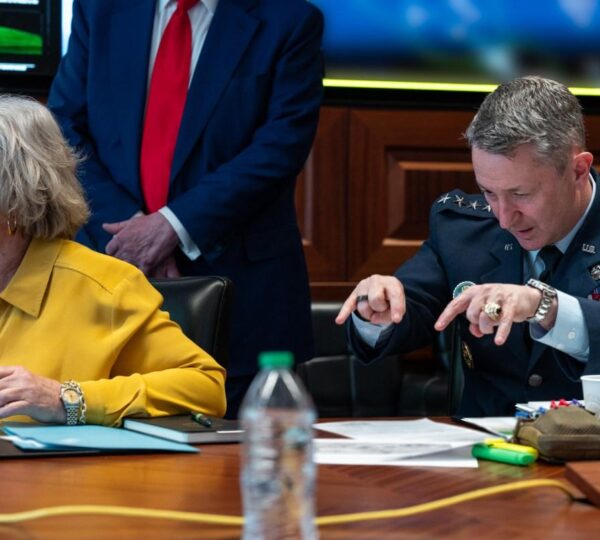
The Situation Room in the White House is one of the most important command hubs in the world. It is designed for real-time monitoring of global events, military operations, intelligence updates, and diplomatic crises across different regions.
It is not a single decision-making room controlled by one person alone. Instead, it is a coordination center where intelligence officers, military leaders, and senior advisers collaborate to support the President.
The President may be physically present in the Situation Room, but in many cases updates are delivered remotely. This depends on security needs, timing, and whether direct involvement is necessary during active operations.
When a military incident occurs, such as an aircraft emergency or personnel recovery mission, communication follows a strict chain of command. Information is filtered, verified, and delivered step-by-step to avoid confusion or operational risk.
In most cases, frontline units report first to regional command centers. From there, information is escalated to the Pentagon and then to national security leadership if the situation is serious enough.
This structure ensures that decisions are based on verified intelligence rather than incomplete or rapidly changing battlefield reports. It also reduces the risk of misinformation affecting strategic actions.
During search-and-rescue operations, especially in hostile or contested areas, timing and precision are extremely critical. Even small delays can significantly affect mission outcomes.
Search and Rescue Operations in Hostile Environments
Military search-and-rescue (SAR) missions are among the most complex operations conducted by armed forces. They often involve air, land, and intelligence assets working simultaneously under dangerous conditions.

When a pilot or crew member goes missing, the first priority is to establish a probable location based on radar, communication signals, and last known coordinates. Intelligence agencies may assist by analyzing satellite data.
Search areas are often large and difficult terrain, which makes the process slow and methodical. Aircraft, drones, and reconnaissance teams are deployed to narrow down possible survival zones.
If hostile forces are present, rescue operations become significantly more dangerous. In these cases, military planners must balance speed with risk to both rescue teams and missing personnel.
Role of the Situation Room During Military Emergencies
The Situation Room serves as the central coordination point for national security incidents. It is staffed around the clock by experts from intelligence, defense, and diplomatic agencies.
During emergencies, senior officials monitor updates continuously. However, not every individual involved in leadership is present in the room at all times.
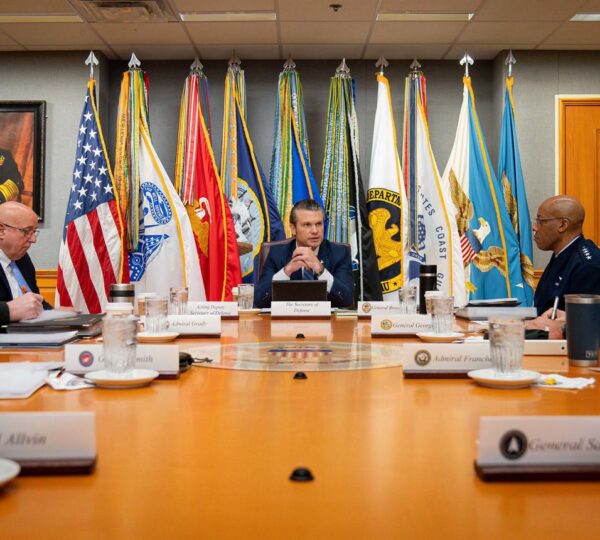
Some leaders receive updates through secure communication systems while continuing other responsibilities. This ensures continuity of governance across multiple active crises.
The President is typically briefed at key decision points rather than every operational detail. This approach allows military professionals to manage tactical execution while leadership focuses on strategic decisions.
How Information Flow Is Controlled During Active Missions
Information control is a critical part of military operations. Premature disclosure or unverified updates can jeopardize ongoing missions or put personnel at risk.
In high-stakes environments, only confirmed intelligence is passed upward through official channels. This helps prevent panic, misinformation, or operational interference.
For example, if a rescue mission is underway, commanders may intentionally limit the number of people receiving real-time tactical updates. This is done to protect the mission’s success.
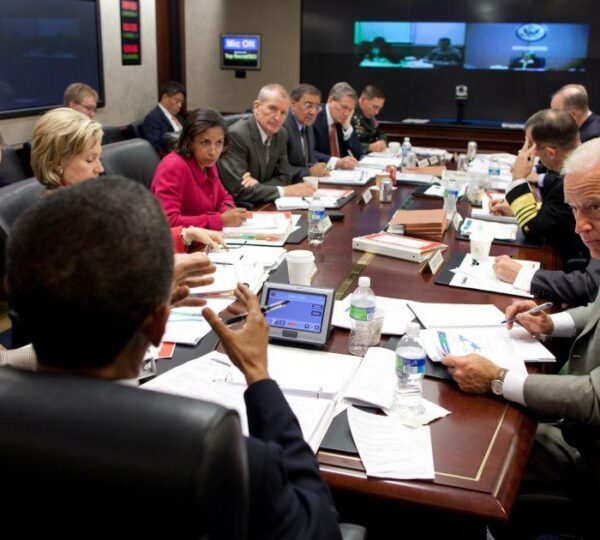
Communication discipline ensures that decisions are made based on accurate and stable data rather than rapidly changing field reports.
Misinformation and Online Narratives About Military Events
In the digital era, military incidents often become the subject of online speculation. Social media posts and unofficial reports can spread quickly, even when they are not verified.
It is common for narratives to emerge online suggesting dramatic internal conflicts or unusual political decisions during crises. However, such claims often lack confirmation from credible government or defense sources.
Responsible reporting requires cross-checking information with official statements or established news organizations. Without verification, details can become distorted or exaggerated.
This is especially important during military tensions, where misinformation can affect public perception and international relations.
Example of Real-World Crisis Coordination (Generalized)
A well-known example of coordinated military response is how the U.S. manages hostage recovery or personnel extraction missions. These operations involve intelligence, special forces, and air support working together.
In such missions, intelligence agencies may first identify a location using satellite imagery or human intelligence sources. Once confirmed, rescue teams plan extraction routes carefully.
Air support is often deployed to secure the area, while ground teams execute the extraction. Timing is coordinated to minimize exposure to threats.
These operations demonstrate the complexity of modern military coordination, where multiple branches must function seamlessly under pressure.
Decision-Making at the National Security Level
At the highest level, national security decisions are made collectively. The President receives recommendations from military and intelligence advisers before authorizing major actions.
This system is designed to balance speed with accuracy. While military commanders handle operational details, political leadership focuses on broader strategic consequences.
During fast-moving crises, decisions may be made within minutes or hours depending on severity. However, these decisions are based on structured briefings and verified intelligence.
This ensures accountability and reduces the risk of impulsive or uncoordinated actions during sensitive situations.
Why Official Structures Matter in Modern Conflicts
Modern military operations are highly dependent on coordination, intelligence sharing, and technological systems. No single individual manages every aspect of an operation in real time.
Instead, responsibility is distributed across agencies, ensuring resilience even under extreme pressure. This structure is designed to function during war, crisis, or uncertainty.
It also allows the government to maintain continuity of command even if key individuals are unavailable at any moment.
Conclusion: How Military Leadership Really Operates
U.S. military crisis management is built on precision, communication discipline, and layered decision-making. The Situation Room is one part of a much larger global command network.
While online narratives often simplify or dramatize events, real operations are structured, procedural, and heavily verified before action is taken.
Understanding this system helps separate speculation from fact, especially during periods of international tension or breaking news events.

