
Reports surrounding former President Donald Trump’s recent ideas for redesigning parts of Washington, D.C. have sparked widespread discussion across political, historical, and architectural circles. The proposals, which focus on aesthetic changes to key government buildings, are being described by supporters as part of a broader effort to enhance the visual identity of the nation’s capital. At the same time, critics argue that some of the suggested modifications could have lasting consequences for historically significant structures.
According to reports cited by multiple media outlets, Trump has expressed interest in making visible changes to certain federal buildings near the White House. These discussions have reportedly included updates intended to make the area appear more unified and visually striking. Supporters of the concept argue that the capital should reflect national pride through architecture that feels bold, clean, and symbolically strong.
One of the most controversial elements of these discussions involves the Eisenhower Executive Office Building, a historic structure located adjacent to the White House. The building, completed in the late 19th century after many years of construction, is widely recognized for its distinctive architectural style and gray granite exterior. It has long been considered one of the most visually important government buildings in Washington, D.C.
The structure is also officially designated as a National Historic Landmark and is included in the National Register of Historic Places. Because of these classifications, any proposed alterations to its exterior are subject to review by preservation authorities and planning commissions responsible for protecting historically significant federal architecture. This makes any potential modification a complex and highly regulated process.
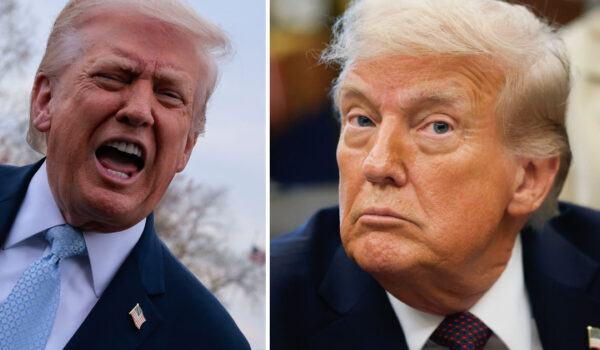
Reports suggest that one of the ideas under consideration involves changing the building’s exterior appearance by painting the granite surface. According to these accounts, the proposed color would be white, a change that would significantly alter the building’s current visual identity. This suggestion has immediately drawn attention due to the building’s historical importance and material composition.
Architectural preservation experts have raised concerns about such a modification. They argue that applying paint to granite is not a simple cosmetic adjustment, but rather a change that could affect both the appearance and long-term condition of the stone. Some specialists have pointed out that improper treatment could potentially trap moisture, leading to gradual deterioration over time.
In addition to structural concerns, historians emphasize the importance of maintaining architectural authenticity. The Eisenhower Executive Office Building represents a specific period in American architectural history, and its materials and design are considered part of its cultural value. Altering its exterior, critics argue, could diminish its historical integrity and reduce its significance as a preserved landmark.
Despite these concerns, supporters of the proposal reportedly view it as a way to refresh and modernize the visual presentation of federal buildings. They argue that changes in appearance do not necessarily erase historical value and that careful renovation can sometimes help maintain public interest in historic structures. From their perspective, aesthetic updates could contribute to a more cohesive and visually appealing capital.
Financial considerations have also become part of the discussion. According to estimates referenced in reporting, the cost of repainting or modifying a building of this scale could reach several million dollars. These estimates typically include materials, labor, testing, and long-term maintenance planning. However, final costs would depend heavily on the methods and materials ultimately selected.
Government planning bodies have reportedly not yet approved the proposal. The National Capital Planning Commission, which oversees major changes to federal properties in Washington, D.C., is said to be reviewing the concept. Officials have requested additional technical details, including information about material compatibility, durability testing, and potential environmental impact.
White House facilities officials have stated that the process is still in an early evaluation phase. They have emphasized that no final decisions have been made and that all proposals must undergo proper review before any physical work can begin. According to statements attributed to officials, careful analysis is required to ensure that any modifications do not negatively affect historic structures or long-term preservation goals.
The debate surrounding the proposal highlights a broader and ongoing tension between modernization and preservation in Washington, D.C. While some advocate for updates that reflect contemporary design preferences, others strongly support maintaining the original appearance of historic government buildings. This balance between change and conservation continues to shape discussions about the capital’s architectural future.
As of now, the situation remains unresolved, with further studies and evaluations expected before any final decisions are reached. The Eisenhower Executive Office Building remains unchanged, and its future appearance will depend on the outcome of ongoing reviews by relevant authorities.
