
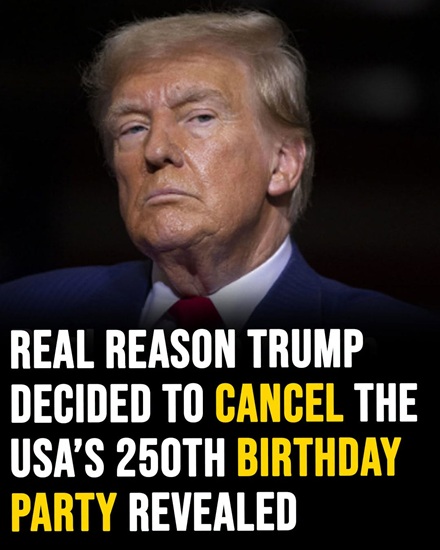
A planned series of events tied to the upcoming 250th anniversary of the United States, commonly referred to in media coverage as “Freedom 250,” has become the subject of ongoing public discussion following reported changes to its entertainment lineup and format. The event was initially described in announcements as a large national celebration intended to highlight American history and culture through live performances and public programming.
According to early reports, the concert series was expected to feature a variety of well-known musical performers representing different genres and generations, contributing to the celebratory atmosphere surrounding the milestone anniversary. As planning progressed, several media outlets reported that adjustments were being made to the list of participating artists, with some performers reportedly stepping away from the event before final confirmation of the lineup.
Names mentioned in various reports as previously associated with the event include Martina McBride, Bret Michaels, Young MC, and members of The Commodores, although participation details have changed during the planning process according to multiple sources. In some cases, performers were reported to have expressed uncertainty about the event’s structure or public perception after further details about its organization became more widely discussed.
At the same time, other artists such as Vanilla Ice and Flo Rida have been referenced in coverage as remaining associated with the event at different stages of planning, although final confirmations have not been consistently verified across all reports. As these developments unfolded, public attention increasingly focused on statements made by Donald Trump regarding the direction and structure of the Freedom 250 celebrations.
According to media reports referencing his posts on Truth Social, Trump suggested that the planned concert series could be altered or replaced with a different type of large-scale public event. In those statements, he reportedly proposed the idea of organizing a rally-style gathering instead of a traditional entertainment-focused concert series as part of the celebration.
He also expressed criticism toward some of the performers who had withdrawn, using language that was widely circulated in news coverage of the situation. Trump’s remarks, as reported, suggested that a political rally format could better reflect his vision of national celebration and public engagement during the anniversary period. He also indicated in those statements that he was considering alternative formats for the event, including large public gatherings centered on political messaging and speeches.
In addition, he referenced himself in highly promotional terms, suggesting that he could serve as a major attraction for any revised version of the event. His comments included comparisons to well-known entertainment figures, which were widely reported by media outlets covering the evolving situation. He also described the idea of a large rally under themes related to national pride and political messaging, according to statements cited in coverage.
These remarks contributed to broader public discussion about how the Freedom 250 celebration may evolve from its original concept into a modified format. The situation has also prompted wider commentary about how large national events are structured, especially when they involve both entertainment programming and political figures.
Industry observers note that large-scale concert lineups are often subject to change due to scheduling conflicts, contractual agreements, and evolving public perceptions. In many cases, performers may reassess participation when an event’s public framing changes or when additional context about the event becomes widely known. As a result, adjustments to participation lists are not unusual in large public events, particularly those involving national-level attention.
Reports suggest that the Freedom 250 concert series has experienced similar adjustments during its planning phase, leading to ongoing updates about confirmed and withdrawn performers. Despite these changes, broader planning for the United States’ 250th anniversary celebrations is expected to continue, with multiple events scheduled across different locations. These commemorations are designed to mark 250 years since the founding of the United States and typically include cultural, historical, and public engagement activities.
The concert series has been described as one component of this broader national celebration, intended to bring together music and cultural programming. However, as media coverage indicates, the exact structure and final lineup of performers remain subject to confirmation and possible further changes.
Public reactions to the evolving situation have varied, with some focusing on the importance of maintaining a nonpolitical cultural celebration, while others emphasize the role of political expression in large public gatherings. These differing perspectives reflect broader debates about how national events should be organized and how entertainment and political themes intersect in public spaces.
In similar large-scale events, organizers often balance artistic programming with logistical requirements and public expectations, which can lead to adjustments during the planning process. The Freedom 250 celebration continues to develop within this context, with both organizers and participants adapting to changes as they arise.
At the time of reporting, no final universally confirmed lineup has been publicly established across all media sources, and details remain subject to updates. Trump’s reported comments have added another layer to the ongoing discussion, particularly regarding the possibility of replacing or restructuring parts of the concert series. These statements have been widely discussed in media coverage as part of the broader narrative surrounding the event’s evolution.
As planning continues, the Freedom 250 celebration remains an ongoing project connected to a significant national milestone in the United States. Further official announcements are expected to clarify the final format, participating performers, and structure of the event as it approaches its scheduled timeline. For now, the situation remains fluid, with changes continuing to shape how the celebration is ultimately presented to the public.

