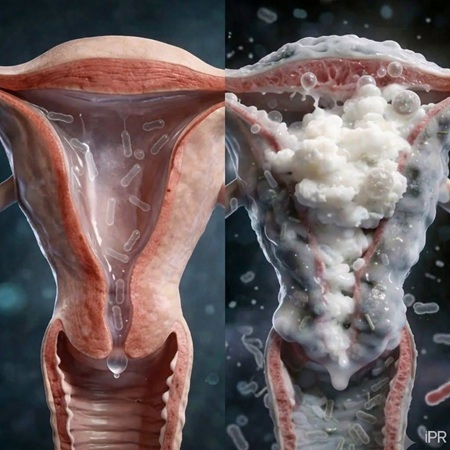
Many people do not usually think about how small daily habits may influence the comfort and quality of a close relationship. While emotional connection is often seen as the most important part, practical lifestyle choices can also affect how partners experience physical and emotional closeness. These influences are often subtle at first, which means they may go unnoticed until they gradually begin to impact comfort or communication.
Personal hygiene is one of the most basic but important factors in shared relationships. Regular bathing, clean clothing, and proper grooming routines help maintain mutual comfort between partners. When these habits are inconsistent or neglected, it may sometimes lead to discomfort or reduced ease in physical closeness. Because these concerns are not always openly discussed, they can slowly build up over time without being addressed.
Lifestyle habits may also have an indirect impact on how a person feels and interacts within a relationship. Choices such as diet, hydration levels, smoking, and alcohol consumption can influence body odor, energy, and general physical well-being. While effects differ from person to person, health experts often note that long-term habits can contribute to noticeable changes in overall bodily balance and comfort in close contact situations.
Stress and emotional pressure are also important factors that should not be ignored. High levels of stress, poor sleep, and ongoing mental fatigue can affect mood, communication, and behavior in relationships. When a person is constantly overwhelmed, they may become less attentive or emotionally distant, which can gradually affect connection and intimacy between partners.
Medical awareness is another key element of overall health and relationship stability. Avoiding routine checkups or ignoring unusual symptoms may sometimes delay the identification of underlying health issues. Open and honest communication with healthcare professionals is essential for maintaining both personal health and long-term well-being. When health concerns are left unaddressed, they can potentially lead to avoidable complications later.
The choice of personal care and grooming products can also influence shared comfort. Items such as soaps, deodorants, perfumes, and skincare products contain different ingredients that may not suit every individual. In some cases, sensitive skin or allergies may result in mild irritation or discomfort for a partner. For this reason, selecting gentle and suitable products can help support mutual comfort in close relationships.
Communication plays a central role in maintaining a healthy relationship. When one partner expresses concern, especially about comfort or well-being, the way the other responds can significantly influence trust and understanding. Listening carefully and responding respectfully can help resolve small issues before they develop into larger misunderstandings. On the other hand, dismissing concerns may gradually create emotional distance.
Emotional health is closely connected to physical and relational well-being. When both partners feel supported, respected, and understood, it becomes easier to maintain a balanced and stable connection. However, when stress, neglect, or unresolved issues accumulate over time, they may begin to affect both communication and intimacy in subtle but meaningful ways.
It is also important to recognize that no single habit defines a relationship. Instead, it is the combination of everyday behaviors, lifestyle choices, and emotional interactions that shape long-term connection. Small repeated actions may seem insignificant individually, but over time they can influence the overall quality of the relationship.
In many situations, early signs of imbalance are not immediately obvious. They often appear gradually and may only become clear when communication has already weakened or tension has increased. This is why awareness and early communication are important in maintaining a healthy dynamic between partners.
Ultimately, strong relationship well-being is built through consistent care, mutual respect, and attention to both personal and shared health. When both partners actively support each other’s habits and emotional needs, it becomes easier to maintain a stable, comfortable, and healthy connection over time.
