
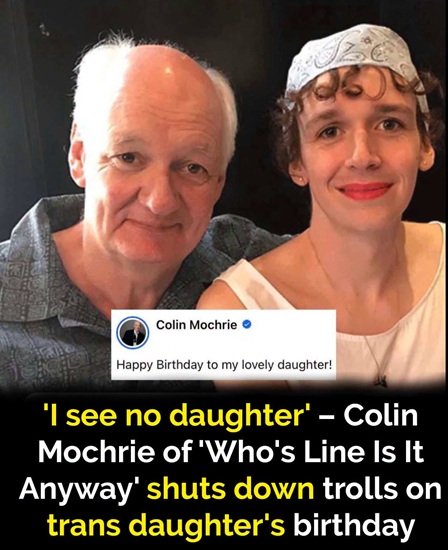
For decades, Colin Mochrie has been recognized as one of the most talented improvisational comedians in television history. Best known for his long-running role on the comedy series Whose Line Is It Anyway?, the Canadian performer has built a career based on quick thinking, creativity, and humor. However, beyond his work on stage and screen, Mochrie has also become known for something much more personal: his dedication to supporting and loving his family.
In recent years, Mochrie has spoken publicly about his child Kinley and the importance of unconditional parental support. When Kinley shared her identity with her family, Mochrie responded with acceptance and compassion. Rather than focusing on public opinion, the comedian emphasized that his role as a parent was to continue loving and supporting his child.
Mochrie’s approach has received attention because many families around the world face challenges when a child shares deeply personal aspects of their identity. For many people, acceptance from parents and close family members can play an important role in emotional well-being. Mochrie has repeatedly expressed that his relationship with his child remains built on the same foundation of love and respect that existed before.
The comedian has explained that parents sometimes experience a period of adjustment when their child shares something new about themselves. However, he has emphasized that the person they love does not disappear or become a different individual. In interviews, Mochrie has compared the experience to recognizing that his child is still the same person he has always known, with the same personality, memories, and qualities.
This message has resonated with many parents and supporters who believe family relationships should be based on understanding rather than judgment. Supporters have praised Mochrie for publicly expressing acceptance and for showing that a parent’s love can remain strong even when a family member’s personal journey changes.
Colin Mochrie’s career has given him a platform that reaches millions of people. Born in Scotland and raised in Canada, he became internationally known through improvisational comedy. His performances on Whose Line Is It Anyway? made him a familiar face to audiences around the world, with fans appreciating his ability to create spontaneous characters and memorable comedic moments.
Despite his fame, Mochrie has often maintained a relatively private personal life. When he does speak publicly about his family, his comments tend to focus on compassion, understanding, and the importance of maintaining strong relationships. His support for Kinley has been viewed by many as an example of how public figures can use their voices to encourage kindness and empathy.
Social media played a major role in bringing attention to Mochrie’s support for his child. After sharing messages celebrating Kinley, he received responses from many people expressing admiration for his parenting approach. Some followers shared their own experiences as parents or family members of transgender people, explaining how important acceptance can be during difficult moments.
However, like many public conversations involving personal identity, the posts also attracted negative reactions from some online users. Mochrie responded by defending his family and making clear that he would continue supporting his child. His response reflected a broader conversation about the role of parents in protecting and standing beside their children.
Many supporters praised Mochrie’s willingness to speak openly because some transgender people face rejection, isolation, or discrimination. Advocates often emphasize that supportive family relationships can have a significant positive impact on mental health and overall quality of life.
For Mochrie, the situation was not about making a political statement or seeking attention. Instead, he has described it as a simple matter of being a parent. His message has remained consistent: children deserve love, respect, and support from the people closest to them.
The story of Colin Mochrie and Kinley has become an example frequently discussed in conversations about family acceptance. While every family’s experience is unique, many people have connected with Mochrie’s belief that love and understanding should remain at the center of the parent-child relationship.
The public response to Colin Mochrie’s support for Kinley has shown how powerful messages of acceptance can be, especially when they come from people with a large audience. Many fans of the comedian expressed appreciation for his willingness to speak openly about his family and for emphasizing that love between parents and children should not depend on outside opinions.
Several supporters shared personal stories about their own experiences with family acceptance. Some explained that having supportive parents or relatives made an important difference during difficult moments in their lives. Others praised Mochrie for showing that a parent’s responsibility is to listen, understand, and continue providing emotional support.
At the same time, Mochrie’s public comments also attracted criticism from some individuals online. The comedian responded firmly to negative messages directed at his family, making it clear that he would not allow online criticism to change his support for his child. His reaction reflected his belief that protecting his family and standing by Kinley was more important than engaging in arguments with strangers on the internet.
Throughout his career, Mochrie has often used humor to connect with audiences, but his discussions about his family have shown a more personal side of his personality. Away from comedy stages and television programs, he has presented himself as a parent who wants his child to feel valued and accepted.
Kinley has also spoken about her experience and the importance of knowing that her family would support her. She has explained that sharing personal information about herself was an important moment, but that she felt confident she would be met with understanding from those closest to her.
For many transgender people, coming out can be an emotional and uncertain experience. Research and advocacy organizations have highlighted the importance of supportive relationships, particularly within families. Having relatives who provide acceptance and encouragement can help people feel safer and more connected.
Mochrie’s comments have contributed to a larger discussion about the role parents play when their children share personal aspects of their identity. Many experts and family advocates encourage parents to approach such conversations with patience, open communication, and a willingness to learn.
The comedian has also spoken about an important idea: that a child’s identity does not erase the person parents have known and loved throughout their life. Memories, personality traits, family connections, and shared experiences remain part of the relationship. This perspective has been meaningful to many parents who may be navigating similar conversations within their own families.
Beyond the immediate reactions online, Mochrie’s story has highlighted a broader message about compassion. Public figures often have the ability to influence conversations, and Mochrie has used his platform to promote kindness and respect toward his family.
While his professional career has been built around making people laugh, his actions as a parent have shown another important part of his character. His support for Kinley demonstrates the personal values he has chosen to prioritize: love, loyalty, and acceptance.
The story also serves as a reminder that families are made stronger through communication and understanding. Every family faces moments of change, and many parents must learn how to support their children through different stages of life. Mochrie’s approach reflects the idea that maintaining a strong relationship requires listening and accepting each person for who they are.
Colin Mochrie remains one of television’s most respected comedy performers, but his influence extends beyond entertainment. Through his public support for Kinley, he has become part of a wider conversation about the importance of family acceptance and unconditional love.
Ultimately, the message behind Mochrie’s story is simple: a child’s happiness and well-being are among the most important responsibilities a parent has. His willingness to stand beside his child has inspired many people and reminded audiences that compassion and understanding can have a lasting impact.
For fans who have followed Mochrie’s career for decades, his support for his family has revealed a different kind of strength — not the ability to create a joke instantly on stage, but the courage to stand with the people he loves when it matters most.

