
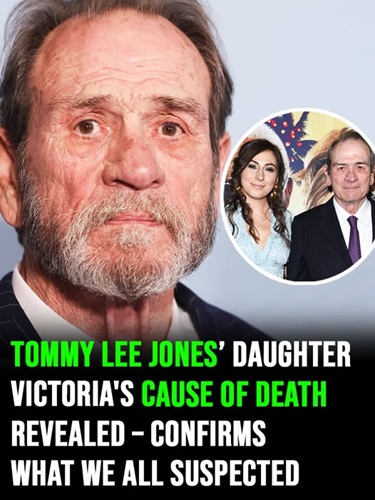
Hollywood is mourning the untimely passing of Victoria Jones, the 34-year-old daughter of Oscar-winning actor Tommy Lee Jones.
On the early morning of January 1, 2026, Victoria was found unresponsive in a hotel room at the iconic Fairmont Hotel in San Francisco.
Emergency responders were called to the scene around 2:52 a.m., after a hotel employee discovered the young woman in distress and immediately contacted paramedics.
Despite the best efforts of first responders and bystanders performing CPR at the scene, Victoria could not be revived, leaving family, friends, and fans shocked and grieving.
Victoria Jones, born in 1991, grew up in the unique spotlight that comes with being the child of a world-famous actor.
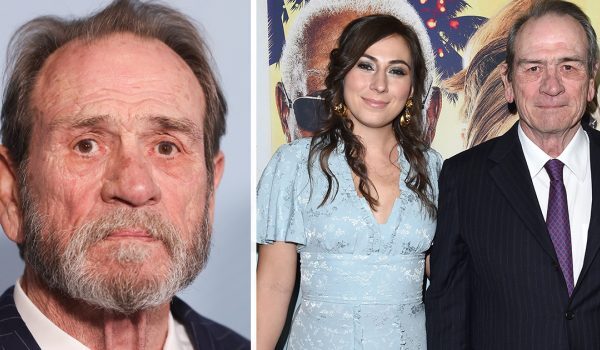
Her father, Tommy Lee Jones, is an esteemed figure in Hollywood, known for his roles in films like The Fugitive, Men in Black, No Country for Old Men, and The Three Burials of Melquiades Estrada, for which he won critical acclaim.
Growing up in a household with an internationally recognized celebrity inevitably came with both opportunities and pressures. Victoria pursued acting at a young age, appearing in several television shows and films.
While her on-screen presence was not as prominent as her father’s, she appeared in small roles in Men in Black II (2002), The Three Burials of Melquiades Estrada (2005), and the TV drama One Tree Hill (2003–2012), among other projects.
Her performances, though limited, displayed a quiet dedication to her craft and suggested a potential for greater accomplishments in the entertainment industry.
Despite her early exposure to Hollywood, Victoria’s adult life was marked by personal struggles that often made headlines. Court records indicate multiple arrests over the years, primarily related to drug possession and substance abuse.
These legal and personal challenges were well-documented in local media, illustrating a pattern of struggles that mirrored the complex pressures many children of celebrities face.
In 2023, Tommy Lee Jones sought a temporary conservatorship for his daughter, citing concerns for her well-being.
While that conservatorship was ultimately terminated, it highlighted the ongoing difficulties Victoria faced and the proactive steps her family took to support her during periods of instability.
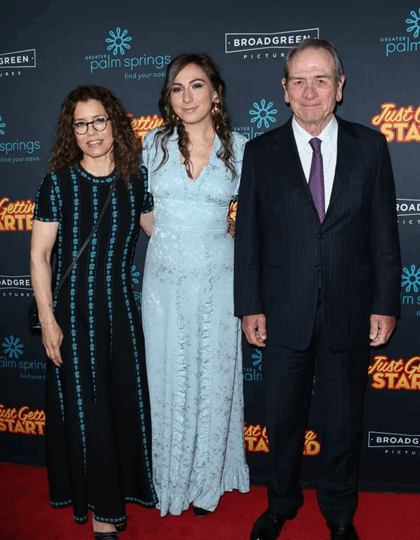
On the night of her passing, emergency responders classified the incident as a “code 3 for the overdose, color change,” according to dispatch audio obtained by People Magazine.
In medical terms, “color change” refers to cyanosis, a condition indicating low oxygen levels in the blood, often manifesting as a bluish or purplish discoloration of the skin, lips, and nails.
Cyanosis can occur during severe respiratory or cardiac distress and is often a critical indicator in emergency medicine that the patient is in life-threatening danger.
Paramedics and on-site witnesses performed CPR immediately, but unfortunately, the intervention was unsuccessful.
In the weeks following Victoria’s death, the San Francisco Office of the Chief Medical Examiner conducted a thorough investigation into the circumstances of her passing.
The results were recently released, confirming that the cause of death was the toxic effects of cocaine. Authorities officially ruled the death an accident, noting that while the substance was present in her system at lethal levels, there was no evidence to suggest intentional self-harm.
This official determination brings clarity to an otherwise tragic and confusing situation for both her family and the public.
Victoria’s passing has reignited discussions about the broader context of addiction and mental health struggles within Hollywood, particularly for the children of famous actors.
While the public often perceives celebrity children as living glamorous, carefree lives, the reality is far more complex. Studies and anecdotal evidence suggest that growing up in the public eye can increase vulnerability to substance abuse, anxiety, and other mental health issues.
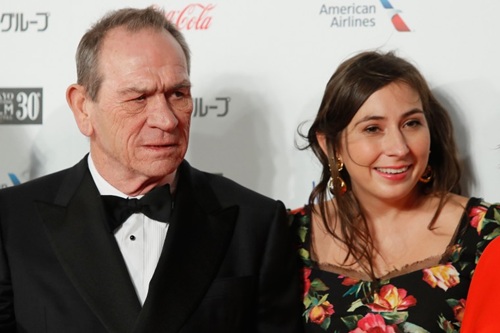
In Victoria’s case, her documented legal troubles and previous struggles with substance use appear to align with a broader narrative of the challenges faced by many who grow up in celebrity households.
Friends and colleagues remember Victoria as a gentle, creative spirit, often described as private and introspective.
While she did not actively maintain a public presence on social media, those who knew her personally recall a young woman with a subtle sense of humor and a deep affection for her family.
Her relationship with her father, Tommy Lee Jones, was complex but loving. In public statements following her death, the Jones family emphasized privacy and asked that the media and fans respect their grieving process.
They issued a brief statement: “We appreciate all of the kind words, thoughts, and prayers. Please respect our privacy during this difficult time. Thank you.”
The Fairmont Hotel, where Victoria’s body was discovered, is a historic landmark in San Francisco, known for hosting celebrities, dignitaries, and political figures over the decades.
Security footage confirmed that no suspicious activity occurred in her vicinity prior to the discovery, supporting the medical examiner’s conclusion of accidental overdose.
Staff members reportedly described Victoria as polite and reserved during her stay, engaging minimally with other guests and keeping to herself in her room.
Emergency responders praised the hotel staff and bystanders for their quick response, acknowledging that their immediate actions may have prevented further complications, even if they could not save her life.
Victoria’s life and career, though brief, reflected a delicate balance between opportunity and adversity. She made her first appearance in a professional production as a teenager, following in her father’s footsteps but also navigating the expectations and pressures that came with the Jones family name.
While her acting career never achieved the global prominence of her father’s, she contributed to several well-regarded films and television projects, often bringing subtlety and nuance to her supporting roles.
In interviews conducted years earlier, she spoke about the challenges of growing up in Hollywood, noting that the allure of fame often masked underlying pressures that many outsiders could not see.
Her struggles with substance abuse were not hidden from the public eye. Over the years, legal filings revealed multiple arrests, predominantly linked to drug possession and related charges.
These incidents often made headlines, but her father and family sought to manage them privately, sometimes taking proactive steps to ensure her safety.
The temporary conservatorship filed in 2023 was part of such efforts, demonstrating a willingness to intervene legally to protect her from further harm.
Although the arrangement was later terminated, it reflected the ongoing tension between Victoria’s independence and the family’s concern for her well-being.
The toxic effects of cocaine, which were identified as the cause of her death, are well-documented in medical literature.
Cocaine acts as a powerful stimulant on the central nervous system, raising heart rate and blood pressure, and increasing the risk of heart attack, stroke, and sudden cardiac arrest.
Chronic or acute use can lead to severe physiological reactions, particularly in high doses or when combined with other substances.
In Victoria’s case, the medical examiner’s report indicated that the concentration of cocaine in her system was sufficient to cause life-threatening cardiovascular and respiratory complications.
The Jones family, now grappling with this sudden loss, has emphasized the importance of privacy while mourning.
Tommy Lee Jones, known for his stoic public persona and long-standing career in Hollywood, has remained largely silent, releasing only brief statements to convey appreciation for the support and understanding of fans and the public.
Those closest to Victoria have described her as a caring, intelligent, and sensitive individual whose struggles were often compounded by external pressures and personal challenges.
Fans of Tommy Lee Jones and those who remember Victoria from her film and television appearances have expressed shock and sadness across social media platforms.
Many have shared memories of her early work, highlighting her subtle performances in Men in Black II and The Three Burials of Melquiades Estrada, as well as her guest roles on shows like One Tree Hill.
Commenters often reflect on the tragic reality that many young actors face when transitioning from child or teen roles to adulthood, particularly when coupled with the pressures of being the child of a high-profile celebrity.
Victoria’s story also underscores broader societal concerns regarding addiction and mental health. Experts note that substance abuse often disproportionately affects individuals facing significant emotional, social, or familial pressures, particularly those in environments where public scrutiny is constant.
Her accidental overdose serves as a stark reminder of the need for awareness, support, and comprehensive intervention for those struggling with substance use disorders.
Addiction, medical professionals emphasize, is a disease that requires sustained treatment and understanding, not judgment or stigma.
The official ruling of accidental overdose closes a chapter in the investigation into Victoria’s death, but it leaves behind a legacy of grief and reflection.
The combination of her upbringing in Hollywood, early exposure to the entertainment industry, personal legal troubles, and documented substance use paints a nuanced portrait of a young woman who faced challenges both public and private.
Her passing resonates not only with her family but also with a wider audience that has seen similar patterns among children of celebrities struggling to navigate personal hardships in the public eye.
In the weeks following her death, mental health advocates and entertainment industry observers have emphasized the importance of supporting young actors, especially those who grow up in high-pressure environments.
Victoria’s life and struggles illustrate the complex intersection of fame, family expectations, mental health, and substance abuse.
Experts argue that while legal interventions like conservatorships may offer temporary protection, long-term care, emotional support, and open communication are essential for meaningful recovery and prevention.
Victoria Jones’ life, though tragically cut short, serves as a reminder of the vulnerabilities faced by many in Hollywood.
She is survived by her father, Tommy Lee Jones, and her half-brother, Austin Jones, from her father’s marriage to Kimberlea Cloughley.
Friends and family members have requested that all media outlets respect their privacy during this time of mourning. Memorial arrangements have been kept private, in line with the family’s wishes.
The story of Victoria Jones is both heartbreaking and instructive. It highlights the need for greater awareness around the challenges faced by children of celebrities, the prevalence of substance abuse, and the critical importance of mental health support.
Her life, career, and struggles offer insight into a world where fame and pressure intersect, often with devastating consequences.
Fans and admirers continue to honor her memory, celebrating her contributions to film and television while reflecting on the personal challenges she faced.
While Victoria’s death is a tragedy, it also underscores the critical role of early intervention, awareness, and support networks in preventing similar outcomes.
Her story encourages open dialogue about addiction, mental health, and the pressures faced by those living under intense public scrutiny.
Advocates stress that meaningful support can take many forms, from family intervention to professional treatment, and that understanding the unique pressures faced by celebrity children is essential to fostering long-term well-being.
In closing, Victoria Jones’ passing at the age of 34 is a sobering reminder of life’s fragility and the hidden struggles many endure behind the scenes.
Her contributions to film and television, though modest compared to her father’s illustrious career, reflect her personal efforts to carve out her own identity in the entertainment industry.
As the family mourns privately, the public is left with the opportunity to honor her memory, raise awareness about substance abuse and mental health, and consider the often unseen pressures that accompany fame.
Victoria’s story is not just a Hollywood headline; it is a human story of vulnerability, loss, and the urgent need for compassion and understanding.
While her life ended far too soon, it leaves behind lessons that extend beyond the entertainment industry, touching on the importance of family support, professional care, and societal awareness of addiction and mental health challenges.
