
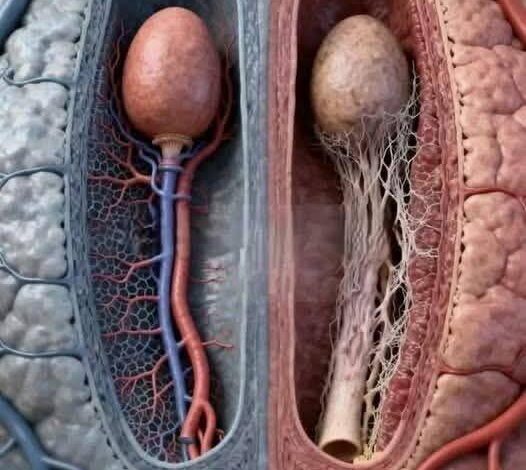
The human body often carries out essential processes quietly, without drawing attention to itself, and kidney function is one of the best examples of this. Many people go through their daily routines without fully realizing how important these organs are for maintaining internal balance. The kidneys constantly filter blood, remove waste products, and help regulate fluid and mineral levels in the body. Because this process happens silently, early changes in kidney function can often go unnoticed.
The kidneys are highly efficient organs that work continuously to support overall health. They filter large volumes of blood every day, carefully separating useful substances from waste that needs to be removed. This system is finely balanced, and even small long-term lifestyle factors can influence how efficiently it works over time. Since there are usually no obvious early warning signs, people may not realize when extra strain is being placed on these organs.
In modern life, several everyday habits can gradually affect kidney workload. Diets that include high amounts of processed foods, salt, and added sugars may contribute to long-term stress on the body’s filtration system. In addition, not drinking enough water can make it more difficult for the kidneys to perform their natural filtering functions efficiently. These effects usually build up slowly over time rather than appearing suddenly.
Blood pressure is another important factor often discussed in relation to kidney health. When blood pressure remains elevated for long periods, it can gradually affect the small blood vessels within the kidneys. Over time, this may reduce their efficiency. Similarly, consistently high blood sugar levels can also place additional strain on kidney function. These conditions often develop slowly, which is why regular health monitoring is considered important.
One of the challenges with kidney-related issues is that they may not produce clear symptoms in the early stages. When signs do appear, they are often subtle and easy to overlook. These can sometimes include changes in energy levels, mild swelling in certain parts of the body, or differences in urination patterns. Because these symptoms can be linked to many different conditions, they are not always immediately connected to kidney health.
Certain medications, especially when used frequently without medical guidance, are sometimes discussed in relation to kidney stress. While these medicines are generally safe when taken correctly, long-term or excessive use may require caution. Health professionals often recommend using them responsibly and ensuring proper hydration, since fluid balance plays an important role in how the body processes substances.
Hydration itself is a key part of kidney function. Water helps the kidneys carry out their filtering process by supporting the movement of waste products through the urinary system. When fluid intake is consistently low, the kidneys may need to work harder to maintain balance. For this reason, staying properly hydrated is often considered a simple but important health habit.
Lifestyle factors such as physical activity levels and stress management can also have an indirect effect on kidney health. Regular movement supports healthy circulation and overall body function, while long-term stress may influence blood pressure and general well-being. Although stress does not directly damage the kidneys, it can contribute to conditions that may affect them over time.
Healthcare professionals generally emphasize prevention and early awareness as the most effective approach to maintaining kidney health. Routine check-ups and basic blood tests, when recommended, can help identify changes in kidney function before they become more serious. Understanding personal risk factors, such as family history or existing health conditions, can also support better long-term care.
Dietary balance is another important element in supporting kidney function. A diet that focuses on whole foods, including fruits, vegetables, and balanced nutrition, is often associated with better overall kidney support. Reducing excessive intake of processed foods and sodium can also help maintain long-term health. Consistency in healthy habits is generally more important than short-term changes.
It is also important not to assume that every physical symptom is directly related to kidney issues. Fatigue or discomfort can have many different causes, and self-diagnosis is not always reliable. Instead, persistent or unusual symptoms should be evaluated by a healthcare professional to determine the actual cause and appropriate next steps.
In the end, kidney health is closely connected to overall lifestyle choices. These organs are resilient and capable of handling a wide range of conditions, but they still benefit from balanced habits, proper hydration, and regular medical attention when needed. Because they work silently in the background, they are often overlooked until problems become more advanced.
By maintaining awareness and making gradual, consistent improvements in daily habits, people can better support long-term kidney function. These organs play a vital role in keeping the body balanced, and their silent work is essential to overall well-being. Supporting them through healthy routines is one of the most effective ways to maintain long-term vitality.

