
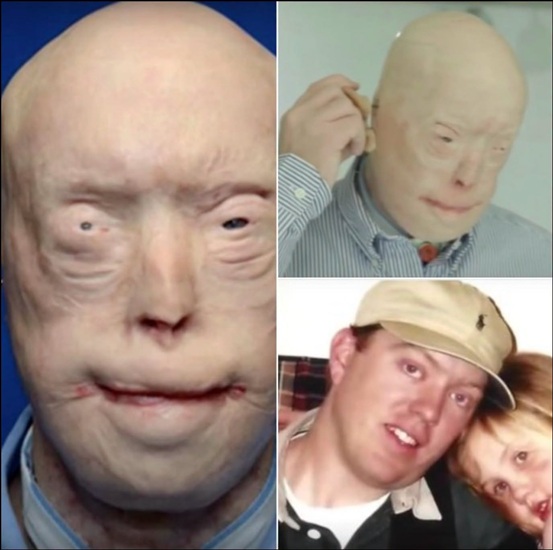
Patrick Hardison’s story begins with an ordinary act of courage that turned into a life-altering tragedy. As a volunteer firefighter in Mississippi, he was the kind of person who ran toward danger when others ran away. In 2001, during a house fire response, he entered a burning structure with the intention of rescuing someone he believed was trapped inside. Instead, the building collapsed while he was inside, turning a rescue mission into a catastrophic survival situation that would permanently change his life.
Although he managed to escape the fire, the injuries he sustained were devastating and irreversible in many ways. Patrick suffered third-degree burns covering his entire face, scalp, neck, and upper body. The fire destroyed major facial features, including his nose, lips, eyelids, and ears, leaving him with severe disfigurement. Emergency responders and medical staff later described his condition as one of the most extreme burn injuries they had ever encountered. His survival in the immediate aftermath was considered remarkable given the severity of the trauma.
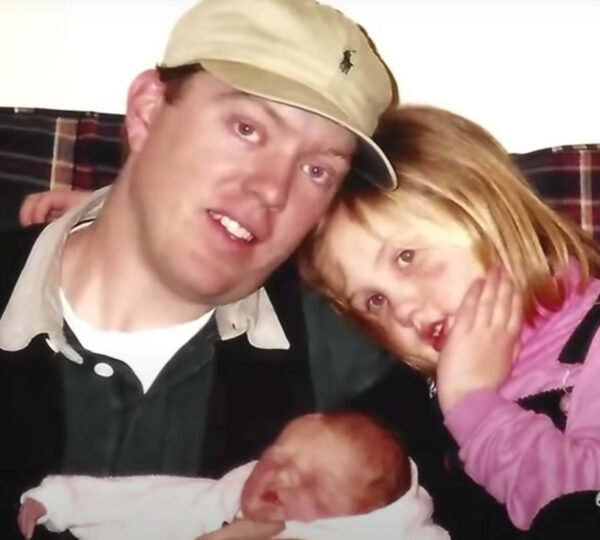
The years that followed were defined by an exhausting medical journey filled with surgeries, treatments, and constant care. Patrick underwent more than 70 reconstructive procedures aimed at preserving his health and restoring as much function as possible. Despite these efforts, he remained unable to blink naturally, smile normally, or perform many basic facial movements. Protective prosthetics and special equipment became part of his daily life, including a cap, sunglasses, and artificial facial components used to replace lost structures.
Beyond the physical pain, the emotional impact of his injuries was equally тяжел. Everyday life became a challenge, as public reactions often reminded him of how dramatically his appearance had changed. He experienced moments where strangers stared, and children sometimes reacted with fear, making ordinary activities feel overwhelming. Over time, these experiences led to emotional withdrawal and a sense of isolation, despite the strong support of his family and loved ones.
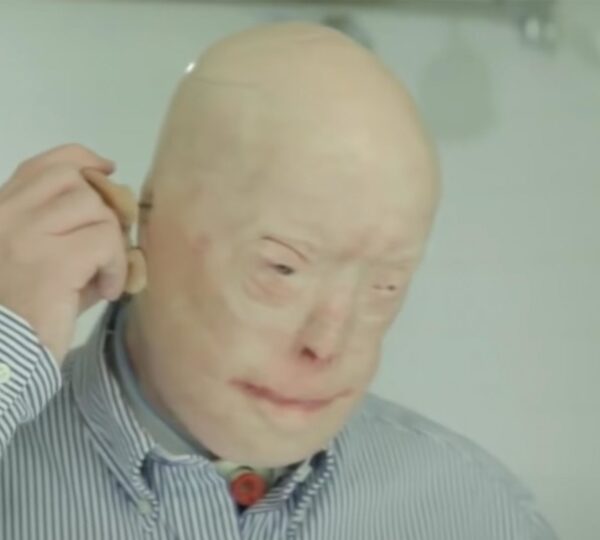
As medical science advanced, new possibilities emerged in the field of reconstructive surgery, particularly face transplantation. This groundbreaking procedure offered hope to patients with severe facial trauma, although it remained highly complex and rare. Patrick eventually entered the evaluation process for a transplant, but finding a suitable donor proved extremely difficult due to strict medical compatibility requirements. After years of uncertainty, a potential match was finally identified through organ donation networks.
The donor was a young man named David Rodebaugh, whose family made the extraordinary decision to donate his organs, including his face, after his passing. This decision opened the door for one of the most complex surgeries ever performed in modern medicine. The operation took place at NYU Langone Medical Center under the direction of Dr. Eduardo D. Rodriguez and involved a large multidisciplinary team of specialists working together for more than 24 hours. The procedure is widely regarded as one of the most extensive face transplants ever completed.
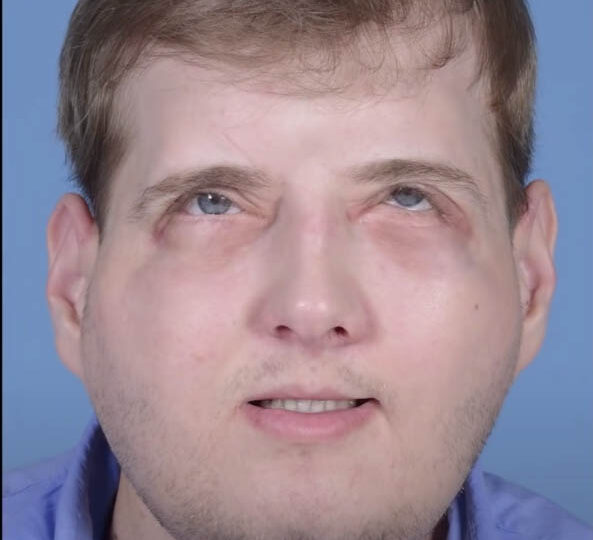
During the surgery, Patrick received a full facial transplant that included skin, bone structures, muscles, nerves, and other essential tissues. The complexity of the operation meant that his survival was never guaranteed, with medical estimates placing his chances at roughly 50 percent. Despite the risks, the surgery was successful, marking a historic moment in reconstructive medicine. In the weeks following the operation, Patrick began a long and difficult recovery process that required patience, rehabilitation, and constant medical supervision.
Recovery involved relearning essential functions such as speaking, swallowing, and controlling facial expressions. His body also needed time to accept the transplanted tissue, requiring lifelong medication to prevent rejection. Although the process was slow and challenging, gradual improvements became visible over time. For the first time in years, Patrick was able to imagine a future not defined solely by injury, but by recovery and possibility.
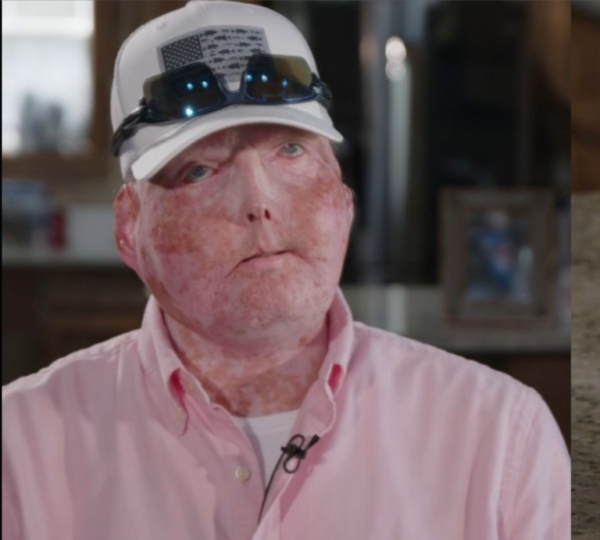
An important part of his journey also involved the emotional connection with his donor’s family. Meeting them became a deeply meaningful experience that highlighted the humanity behind organ donation. It served as a reminder that even in moments of loss, decisions made by families can create hope and new life for others. These encounters added another emotional layer to an already extraordinary medical story.
Today, Patrick Hardison continues to live with the long-term effects of his transplant, but his life has been transformed in ways once thought impossible. His journey stands as a powerful example of medical progress, resilience, and human compassion. It reflects not only the evolution of surgical science but also the strength of individuals who refuse to give up after devastating injury. His story remains a testament to how hope, innovation, and generosity can work together to rebuild a life.

