
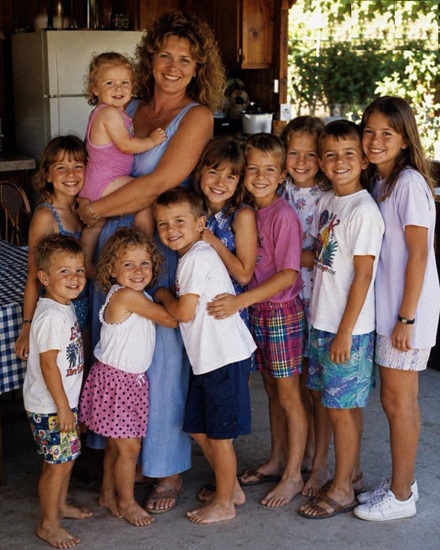
There are moments in life that arrive quietly yet change everything that follows. Looking back, I often think that my life truly began the day I met Robert in the grocery store. At the time, I was thirty-two years old and had almost convinced myself that lasting love simply was not meant for me. I had experienced relationships that began with hope but slowly disappeared without anger or betrayal, leaving behind only unanswered questions. Although I remained optimistic on the outside, part of me had accepted that perhaps my future would be simpler than I had once imagined.
I focused on my work, spent time with my family, and tried not to dwell on dreams that seemed increasingly distant. The afternoon we met appeared completely ordinary. Families pushed shopping carts through crowded aisles while children laughed, argued, and reached for brightly colored cereal boxes. As I searched for ingredients for dinner, I noticed a man struggling to organize an overflowing cart while keeping an eye on several energetic children nearby. Before I could continue walking, the youngest little girl smiled brightly at me and stretched out her tiny arms. Her innocent gesture caught me completely by surprise, and I instinctively smiled back.
The man quickly lifted the little girl into his arms and apologized with genuine embarrassment. He introduced himself as Robert and explained that his youngest daughter enjoyed greeting nearly everyone who smiled at her. We laughed together for a moment, and what began as a simple conversation unexpectedly continued for several minutes. He spoke kindly, listened carefully, and carried himself with quiet patience despite clearly having many responsibilities. Long after leaving the store, I found myself thinking about the warmth in his voice and the gentle way he interacted with each child.
Over the following weeks our paths crossed several more times, eventually leading to coffee, long conversations, and evening walks. During those talks Robert shared that he had become a widowed father raising ten children after losing his wife several years earlier. Rather than trying to impress me, he spoke honestly about the joys and challenges of parenting such a large family. His sincerity touched me deeply. Instead of seeing only the difficulties, I admired the love and dedication with which he cared for every child despite the enormous responsibility resting on his shoulders.
As our relationship grew stronger, I gradually became part of the children’s daily lives. Each of them possessed a unique personality that slowly unfolded before me. Amanda often behaved far beyond her years, helping care for her younger brothers and sisters with remarkable maturity. Derrick preferred repairing broken bicycles or household items instead of talking about his feelings. Sue filled every room with endless conversation, while the twins transformed nearly every task into a friendly competition. The younger children brought constant laughter and boundless energy into the house, making even ordinary evenings feel lively and memorable.
Without realizing it, I found myself becoming part of their routines. Homework sessions turned into conversations about dreams for the future. Preparing dinner became an opportunity for everyone to gather around the kitchen, sharing stories about school and everyday adventures. Bedtime included reading stories, comforting fears, and reminding each child that they were loved. Those ordinary moments slowly created extraordinary bonds that felt increasingly natural with each passing week.
One evening, after a simple family dinner, Robert surprised me with a proposal unlike anything I could have imagined. Surrounded by the children, who unsuccessfully tried to pretend they were not listening from the hallway, he asked if I would marry not only him but also become part of their entire family. Tears filled my eyes before I could answer. The proposal was neither extravagant nor carefully rehearsed, yet it remains one of the most meaningful moments I have ever experienced. My answer came immediately because by then I already loved every person gathered in that home.
Not everyone shared my excitement. My mother worried that I was accepting responsibilities far greater than anyone should willingly embrace. She questioned whether I truly understood the sacrifices ahead and wondered if I would eventually regret placing my own future behind the needs of such a large family. Although I understood her concerns, my heart told me something different. Love is not always measured by convenience or comfort. Sometimes it grows through commitment, patience, and the willingness to stand beside people when life becomes complicated.
As our wedding day approached, excitement filled the house. The children eagerly discussed what they would wear, who would walk where, and how they hoped the celebration would unfold. Amanda carefully helped me prepare for dress fittings, while the younger children imagined music, cake, and dancing. Every corner of the house seemed filled with anticipation. Even ordinary evenings carried an unmistakable sense that something beautiful was about to begin for all of us.
Looking back now, I remember one particular evening with remarkable clarity. I stood before the bedroom mirror wearing my wedding dress while Amanda carefully adjusted the zipper. The younger children laughed outside the door, occasionally peeking inside before running away again. When I noticed Robert quietly watching from the doorway, his expression seemed thoughtful rather than joyful. At the time I assumed he was simply overwhelmed by emotion. Only much later would I wonder whether he had already begun carrying worries he had not yet found the courage to share.
The morning Robert disappeared became a dividing line in Margaret’s life. Everything before that day felt filled with hope and anticipation, while everything afterward demanded courage she never imagined she possessed. The brief note he left behind answered none of the questions racing through her mind. It explained nothing about his decision, offered no reassurance to the children, and provided no indication that he intended to return. Despite the confusion and heartbreak, ten young faces still depended on her for breakfast, comfort, and stability. In that moment, grief had to wait because responsibility arrived first.
The weeks that followed were among the most difficult Margaret had ever experienced. Legal appointments, financial concerns, school meetings, and countless household responsibilities filled nearly every hour of every day. Some evenings she questioned whether she was strong enough to continue, yet every time one of the children called her “Mama,” she found the strength to face another challenge. Slowly, the family adjusted to a new routine built not on certainty but on perseverance, kindness, and the determination to remain together despite the unexpected changes life had brought.
Years passed more quickly than Margaret expected. The children grew older, graduated from school, pursued careers, built families of their own, and returned home whenever they could. The house that had once echoed with the footsteps of energetic youngsters gradually became a gathering place for adult children and grandchildren. Birthdays, holidays, and ordinary Saturday dinners filled every room with conversation, laughter, and memories. Although Robert’s absence remained an unanswered chapter, the love shared within the family continued growing stronger with each passing year.
Then, decades later, an unexpected visitor arrived carrying a carefully preserved envelope. Seeing Robert’s familiar handwriting after so many years brought back emotions Margaret believed she had already accepted. As she carefully unfolded the letter, every person gathered around the table waited quietly. The words that followed did not erase the pain of the past, but they revealed that the story she had believed for thirty years had been incomplete. Sometimes the truth arrives long after people have learned to live without it.
According to the fictional letter, Robert explained that he had been facing a serious medical diagnosis before the wedding. Believing that his future was uncertain, he convinced himself that disappearing would protect the woman he loved and spare his children additional hardship. He admitted that the decision had been made from fear rather than wisdom. Although his intentions may have been rooted in sacrifice, he acknowledged that leaving without explanation caused lasting heartbreak for everyone who cared about him. The letter reflected regret, humility, and the painful recognition that silence can sometimes create deeper wounds than honesty.
Margaret read every page slowly, pausing several times as emotions overwhelmed her. Her children listened quietly, each processing the unexpected explanation in a different way. Some felt sadness for the years that had been lost, while others reflected on how different their lives might have been had events unfolded another way. Yet none of them allowed the letter to diminish the love and stability they had shared throughout the decades. They recognized that, regardless of the past, they had become a family through commitment, compassion, and everyday acts of care.
As the conversation continued, Margaret reminded her children that forgiveness does not require forgetting difficult experiences. Instead, forgiveness can become a personal decision to release bitterness while still acknowledging the pain that occurred. The family spoke openly about the importance of communication, honesty, and facing challenges together rather than allowing fear to make important decisions. Those discussions became some of the most meaningful they had ever shared because they strengthened the trust that had always united them.
The story also reminded everyone gathered around the table that families are formed in many different ways. Some begin through birth, others through adoption, marriage, friendship, or shared experiences. What ultimately defines a family is not only biology but also commitment, responsibility, and the willingness to care for one another through life’s most difficult moments. Margaret had demonstrated those values every single day, and her children believed that her actions had shaped the people they eventually became.
In the years that followed, Margaret often kept Robert’s letter safely stored among treasured family photographs and keepsakes. She rarely reread it, not because it lacked importance, but because she no longer needed it to understand her own life. The years she spent raising the children had already given her every answer she truly needed. Love had been present in countless ordinary moments—helping with homework, celebrating graduations, comforting tears, and sharing family dinners. Those memories became far more meaningful than unanswered questions from the past.
Looking back over her remarkable journey, Margaret realized that happiness had never depended upon having a perfect life. Instead, it had grown through perseverance, compassion, forgiveness, and the countless small choices made every day to place others before herself. The family gathered around her table stood as a reminder that difficult beginnings do not prevent meaningful endings. Even after disappointment, people can build lives filled with hope, kindness, and lasting relationships.
Although this fictional story explores themes of sacrifice and second chances, its central message remains timeless. Honest communication, mutual support, and unconditional love often become the strongest foundations of any family. While life rarely follows the plans people carefully prepare, compassion and resilience can help transform even the most difficult chapters into stories of hope. Sometimes the greatest legacy a person leaves behind is not a single decision, but the love that continues growing in the lives of those they cared for.

