
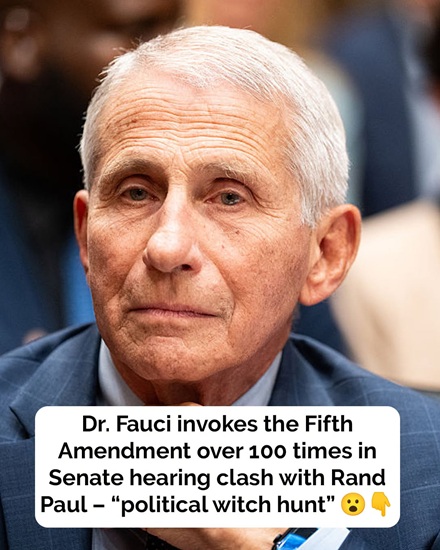
Nearly six years after the COVID-19 pandemic transformed daily life around the world, many of the questions surrounding the public health response continue to shape political and legal discussions in the United States. One of the most closely watched developments came when Dr. Anthony Fauci appeared before the Senate Homeland Security and Governmental Affairs Committee after receiving a subpoena to testify. The hearing attracted national attention because Fauci served for decades as director of the National Institute of Allergy and Infectious Diseases (NIAID) and became one of the most recognizable public health officials during the pandemic.
The hearing lasted for several hours and centered on issues that have remained the subject of public debate since the early days of COVID-19. Committee members questioned Fauci about topics including the federal government’s pandemic response, scientific decision-making, public health guidance, and research funding connected to work involving viruses. Rather than answering most of the questions presented by Republican lawmakers, Fauci repeatedly invoked his constitutional right under the Fifth Amendment on the advice of his legal team.
Before questioning began, Fauci delivered an opening statement explaining why he intended to remain largely silent during the proceedings. He said he believed the hearing was designed to produce statements that could later be used against him rather than to conduct a neutral oversight review. Fauci also noted that throughout his long public career he had testified before Congress many times and had generally cooperated with legislative oversight. According to his statement, the legal advice he received led him to invoke the Fifth Amendment despite saying that doing so was personally difficult.
Throughout the hearing, a familiar exchange unfolded repeatedly. Republican senators asked questions covering a wide range of pandemic-related issues, while Fauci responded with nearly identical wording each time. He stated that, on the advice of counsel, he respectfully declined to answer. According to multiple reports, this occurred more than one hundred times during the hearing, making the repeated invocation of the Fifth Amendment one of the defining moments of the session.
Committee Chairman Senator Rand Paul, who has frequently criticized Fauci’s handling of pandemic-related issues over several years, led much of the questioning. Before the hearing, Paul released more than one thousand pages of Fauci’s journals and writings, arguing that the documents raised additional questions about pandemic decision-making and deserved congressional review. During the hearing, Paul maintained that lawmakers had an obligation to examine the government’s actions during one of the most significant public health emergencies in modern history.
Fauci, however, rejected the characterization of the hearing as an ordinary oversight exercise. In his prepared remarks, he argued that repeated public statements calling for his prosecution had convinced him that the proceeding had become politically motivated. He suggested that the hearing’s primary purpose was to obtain statements that could support previous public accusations rather than to establish new factual findings. Those comments immediately set the tone for an increasingly tense exchange between lawmakers and the witness.
As questioning continued, senators raised subjects including the origins of COVID-19, federal support for scientific research, public guidance regarding masks, and vaccine-related decisions made during the pandemic. Because Fauci consistently invoked the Fifth Amendment, detailed discussion of those topics never developed during the hearing itself. Instead, much of the public attention shifted toward the legal significance of invoking constitutional protections in a congressional setting rather than the specific policy questions lawmakers hoped to explore.
The atmosphere became even more contentious when Fauci’s attorney, David Schertler, attempted to raise a legal objection during the proceedings without first being recognized by the committee chair. Chairman Paul ruled that the attorney was out of order and instructed Capitol Police to escort him from the hearing room after the disagreement continued. The unusual exchange added another dramatic moment to an already closely watched hearing and quickly generated widespread media coverage.
After leaving the hearing room, Schertler criticized the proceedings, describing them as unfair and politically driven. He argued that his client had followed legal advice and exercised a constitutional right available to every American citizen. Supporters of Fauci echoed that position, emphasizing that invoking the Fifth Amendment should not automatically be interpreted as an admission of wrongdoing because the constitutional protection exists to safeguard individuals against self-incrimination.
Democratic members of the committee also defended Fauci during the hearing. Several senators characterized the proceedings as an attempt to revisit long-standing political disputes surrounding the pandemic rather than a balanced examination of public policy. They argued that Fauci had spent decades serving in government and that much of the criticism directed toward him reflected broader disagreements over pandemic policy rather than evidence of criminal conduct.
Republican lawmakers, meanwhile, argued that important questions remained unanswered regarding federal decisions made during the pandemic. They maintained that congressional oversight requires witnesses to respond to lawmakers’ inquiries whenever possible and expressed frustration that Fauci declined to address substantive questions. Several members indicated that they believed additional review of pandemic-related decisions remained necessary even years after the public health emergency had ended.
One of the legal issues receiving considerable attention involved Fauci’s earlier presidential pardon. Some Republican senators argued during the hearing that the pardon affected the legal basis for invoking the Fifth Amendment regarding certain federal matters. Other legal analysts, however, noted that constitutional questions can involve multiple legal considerations, including the possibility of state-level matters or potential exposure related to future testimony. As a result, legal experts have offered differing interpretations of the issue.
The hearing also illustrated how deeply divided public opinion remains regarding the government’s response to COVID-19. For some Americans, Fauci continues to represent scientific leadership during an unprecedented global health crisis. For others, he symbolizes decisions they believe deserve continued scrutiny and public accountability. Those sharply contrasting perspectives have remained evident long after the pandemic’s most critical phases ended.
Although the hearing concluded without extensive testimony from Fauci himself, it generated renewed discussion across legal, political, and public health communities. News organizations, constitutional scholars, former government officials, and public commentators all examined different aspects of the proceedings, including congressional oversight, executive pardons, constitutional rights, and the broader lessons that may be drawn from the pandemic experience.
As the session ended, Chairman Rand Paul announced that the committee would consider additional procedural steps, including whether to pursue contempt proceedings related to Fauci’s refusal to answer questions. At the same time, Fauci’s supporters argued that he had acted within his constitutional rights based on legal advice. Those differing interpretations ensure that debate surrounding the hearing is likely to continue well beyond the conclusion of the committee meeting itself.
Following the conclusion of the Senate hearing, attention quickly shifted away from the hearing room itself and toward the legal and constitutional questions raised during the proceedings. Although Dr. Anthony Fauci answered very few substantive questions because he repeatedly invoked the Fifth Amendment, lawmakers, legal scholars, and policy analysts continued discussing what the hearing might mean for future congressional investigations. News coverage focused not only on the political exchanges but also on the constitutional principles involved when a witness chooses to exercise the right against self-incrimination.
One of the central topics after the hearing was the Fifth Amendment itself. The amendment provides individuals with protection against being compelled to provide testimony that could potentially be used against them in criminal proceedings. Constitutional scholars have frequently noted that invoking the Fifth Amendment is a legal right available to witnesses and should not automatically be interpreted as proof of guilt or innocence. Courts have consistently recognized that individuals may invoke the protection for various legal reasons depending on the circumstances surrounding a particular investigation.
Republican members of the committee argued that the public still deserves detailed answers regarding decisions made during the COVID-19 pandemic. They maintained that congressional oversight plays an essential role in reviewing government actions, especially during national emergencies that affected millions of people. Several lawmakers said they believe additional testimony remains necessary to better understand how major public health decisions were made during the pandemic and whether improvements should be considered for future emergency responses.
Democratic lawmakers viewed the hearing differently. They argued that many of the issues discussed have already been examined through previous hearings, public reports, scientific reviews, and government investigations. Several committee members expressed concern that continued focus on individual officials could distract from broader discussions about strengthening public health preparedness for future outbreaks. They also defended Fauci’s decision to follow the advice of his attorneys while exercising constitutional protections available under federal law.
Legal experts also weighed in on another issue discussed during the hearing: the relationship between presidential pardons and Fifth Amendment protections. Some lawmakers questioned whether Fauci’s earlier federal pardon affected his ability to invoke constitutional protections during congressional testimony. Constitutional attorneys, however, pointed out that legal analysis can be more complex than a single question regarding a federal pardon because different legal situations may involve separate considerations under both federal and state law. For that reason, specialists have offered differing interpretations rather than a single universally accepted conclusion.
Beyond the legal arguments, the hearing demonstrated that the COVID-19 pandemic continues to influence American public discussion years after the emergency phase ended. The pandemic reshaped healthcare systems, government operations, education, business practices, and scientific communication around the world. As a result, reviews of decisions made during that period continue to generate strong opinions from elected officials, researchers, healthcare professionals, and members of the public. Those differing viewpoints remain part of an ongoing national conversation rather than a single isolated event.
Observers also noted that congressional hearings often serve multiple purposes. In addition to gathering information, they allow lawmakers to present differing policy perspectives, question government officials, and place public statements into the official congressional record. Because these hearings receive extensive media coverage, they frequently become part of broader public debates extending well beyond the committee room itself. The Fauci hearing reflected those characteristics, with both supporters and critics emphasizing different aspects of the day’s events.
Throughout the hearing, the exchanges remained focused on issues connected to pandemic policy, research funding, scientific guidance, and government decision-making. However, because Fauci declined to answer most questions, many of the specific topics remained unresolved during the session itself. Instead, discussion shifted toward constitutional procedure, legal rights, and congressional authority, making those issues central themes in post-hearing analysis by legal commentators and news organizations.
Public health experts observing the hearing emphasized that future discussions about pandemic preparedness may ultimately prove just as important as reviewing past events. Many specialists continue encouraging investment in disease surveillance, emergency planning, medical research, vaccine development, and communication systems that can respond effectively during future health emergencies. Regardless of differing political opinions surrounding previous decisions, experts generally agree that preparedness remains an important objective for future public health policy.
Following the hearing, Chairman Rand Paul announced plans for the committee to consider additional procedural actions, including a possible vote regarding contempt proceedings related to Fauci’s refusal to answer questions. Whether additional congressional actions will occur remains part of the legislative process, and any future developments would proceed according to established congressional rules and procedures. At the same time, Fauci’s legal representatives continued maintaining that he acted within his constitutional rights based on legal advice provided before the hearing.
The hearing also highlighted the continuing importance of balancing government oversight with constitutional protections. Congressional committees possess broad authority to conduct investigations, while witnesses appearing before Congress also retain constitutional rights recognized under United States law. That balance has been examined repeatedly throughout American legal history and remains an important feature of the country’s constitutional system regardless of the political issues involved in any individual hearing.
As discussion continues, many observers expect additional debate regarding pandemic policy, scientific transparency, and government accountability. Those conversations are likely to involve lawmakers from both major political parties, public health professionals, constitutional scholars, and members of the public. While opinions differ significantly regarding many aspects of the pandemic response, the hearing underscored that interest in understanding one of the most significant public health events of recent decades remains strong.
Ultimately, the Senate hearing became notable not only because of the questions asked but also because of the constitutional issues it raised. Fauci’s repeated invocation of the Fifth Amendment ensured that the hearing would be remembered as much for its legal implications as for its political context. Whether future investigations produce additional testimony or new findings remains to be seen, but the hearing has already become another chapter in the continuing national effort to examine the government’s response to the COVID-19 pandemic through congressional oversight, public discussion, and constitutional process.

