
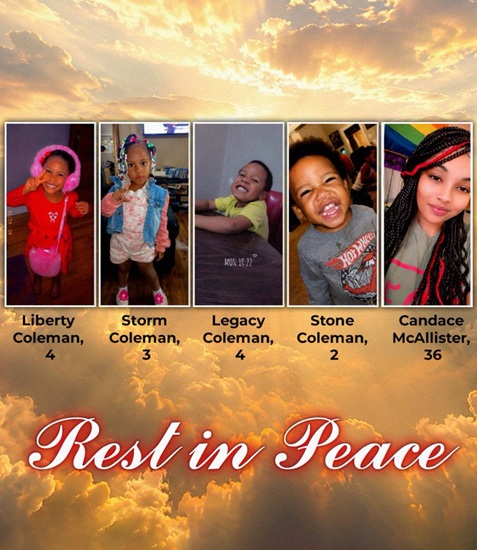
What began as a routine roadside problem quickly became one of the most heartbreaking incidents reported in Ohio during the summer of 2026. A family traveling through Toledo pulled over after experiencing a flat tire, expecting nothing more than a temporary delay before continuing their journey. Instead, emergency responders were called to a scene that would later be identified as a tragic case of carbon monoxide exposure inside a parked sport utility vehicle.
The incident shocked the local community and renewed public discussion about the dangers of carbon monoxide in enclosed spaces. On the morning of July 15, 2026, Toledo Police and Toledo Fire & Rescue personnel responded to reports of several unconscious people inside a Ford Explorer parked on the 300 block of Phillips Avenue near Detroit Avenue. Because the source of the medical emergency was initially unknown, authorities requested assistance from the department’s Hazardous Materials Team.
The surrounding area was temporarily secured while first responders worked to identify any possible threat to emergency personnel and nearby residents. Officials later explained that the occupants had stopped after experiencing a flat tire. According to investigators, an adult inside the vehicle contacted the children’s father for assistance. When he arrived, he discovered all five occupants unconscious inside the SUV and immediately contacted emergency services. Firefighters, police officers, paramedics, and Hazmat personnel quickly began life-saving efforts under extremely difficult conditions as temperatures remained dangerously high during the rescue operation.

Toledo Fire Chief Allison Armstrong later described the challenges responders faced at the scene. Besides treating multiple critically ill patients at once, crews also had to work in intense summer heat while determining whether hazardous substances remained inside the vehicle. The uncertainty surrounding the incident required specialized monitoring equipment before responders could fully understand the source of the emergency. Despite the rapid response, the situation proved devastating for everyone involved.
As investigators examined the Ford Explorer, testing confirmed the presence of carbon monoxide inside the vehicle. Carbon monoxide is a colorless, odorless gas produced whenever fuels such as gasoline, diesel, natural gas, propane, charcoal, or wood burn without complete combustion. Because it cannot be seen, smelled, or tasted, people often do not realize they are being exposed until symptoms begin to appear. Those symptoms may include headache, dizziness, weakness, nausea, confusion, or drowsiness. Continued exposure can quickly become life-threatening, especially in enclosed spaces.
Authorities emphasized that the incident appeared to be accidental and stated that no evidence suggested foul play. Mayor Wade Kapszukiewicz expressed condolences to the family while thanking emergency responders and medical personnel for their efforts under extraordinarily difficult circumstances. Officials also confirmed that investigators would continue examining exactly how carbon monoxide entered the passenger compartment of the SUV so that every possible detail could be understood.
Over the following days, family members publicly identified the victims. The tragedy claimed the lives of 36-year-old Candace McAllister and four young children: Liberty, Legacy, Storm, and Stone. Legacy initially remained hospitalized in critical condition but later died after being removed from life support, bringing the total number of fatalities to five. The loss deeply affected relatives, friends, first responders, and members of the Toledo community who followed the heartbreaking developments.
The children’s mother, Adriana Coleman, later spoke publicly about the unimaginable loss her family had experienced. She described each child as having a unique personality and shared the overwhelming grief of facing life after losing them. Family members also established a community fund to help cover funeral expenses, and local residents responded with messages of support and donations during an extraordinarily difficult time.
Although incidents involving carbon monoxide inside vehicles are uncommon, safety experts have long warned that exhaust leaks or mechanical failures can allow dangerous gases to enter the passenger cabin under certain conditions. Federal agencies have previously investigated reports involving exhaust gases in some vehicles, although every incident must be evaluated individually because the specific mechanical circumstances may differ. Investigators in the Toledo case continue examining the vehicle to determine precisely how the gas entered the cabin.

The tragedy serves as a reminder that carbon monoxide hazards are not limited to homes or garages. Under certain mechanical conditions, vehicles can also become dangerous enclosed environments if exhaust gases enter the passenger compartment while the engine is running. Because carbon monoxide cannot be detected by human senses, recognizing potential mechanical problems and responding quickly to unusual symptoms remain important elements of vehicle safety.
The Toledo tragedy also renewed public attention to the broader dangers of carbon monoxide exposure. Although many people associate the gas primarily with homes and heating systems, safety experts have long noted that vehicles can also become sources of carbon monoxide if exhaust gases enter the passenger compartment because of mechanical problems. Since the gas has no color, odor, or taste, individuals may not realize they are being exposed until symptoms begin to develop. This makes prevention and regular vehicle maintenance especially important for reducing potential risks.

Health authorities explain that carbon monoxide enters the bloodstream through the lungs and binds to hemoglobin much more readily than oxygen. As oxygen delivery to vital organs decreases, symptoms may progress from headache, dizziness, nausea, and fatigue to confusion, loss of consciousness, and, in severe cases, death. The severity of exposure depends on several factors, including the concentration of the gas, the length of exposure, and the individual’s age and overall health. Because symptoms can resemble those of other illnesses, recognizing the source of exposure may not always be immediate.
Vehicle manufacturers, mechanics, and transportation safety specialists recommend paying attention to warning signs that could indicate an exhaust-related problem. Unusual exhaust noises, damaged exhaust components, visible corrosion beneath the vehicle, persistent exhaust odors outside the vehicle, or dashboard warning indicators should never be ignored. While these signs do not necessarily mean carbon monoxide is entering the passenger compartment, they may indicate that the vehicle should be inspected by a qualified technician before further use.
Public health experts also encourage drivers to avoid remaining inside a vehicle with the engine running for prolonged periods when there are concerns about possible mechanical issues. If anyone inside a vehicle develops unexplained dizziness, headache, unusual fatigue, or confusion while the engine is operating, moving to fresh air and seeking immediate medical assistance is generally recommended. Prompt recognition of possible carbon monoxide exposure can significantly improve medical outcomes because treatment often begins by removing the individual from the contaminated environment and providing oxygen therapy.

The Ohio incident also brought renewed attention to previous accidental carbon monoxide cases reported elsewhere in the United States. In January 2025, two students at Franciscan University of Steubenville, Luke Reimer and Mary Mich, were found deceased inside a parked vehicle on campus. According to the Jefferson County Coroner’s Office, toxicology testing determined that both students died from accidental carbon monoxide poisoning caused by a vehicle exhaust-related issue. Authorities stated that investigators found no evidence suggesting foul play or illegal drug involvement in the incident.
The loss deeply affected the university community. Franciscan University President Father Dave Pivonka expressed condolences to the students’ families, classmates, faculty, and friends while describing the event as a tragic accident based on the information available during the investigation. The university canceled scheduled activities that evening and instead organized opportunities for prayer, reflection, and community support. Counseling services were also made available for students and staff coping with the sudden loss of two young members of the campus community.
The Steubenville case illustrated how carbon monoxide incidents can occur in unexpected settings and affect people of different ages and backgrounds. Although every investigation has its own unique circumstances, both the Toledo and Steubenville tragedies underscore the importance of understanding that carbon monoxide can present serious risks whenever exhaust gases accumulate in enclosed or poorly ventilated spaces. Safety professionals emphasize that awareness, proper maintenance, and timely inspection remain among the most effective ways to reduce these risks.
Organizations such as the U.S. Centers for Disease Control and Prevention (CDC) and other public health agencies continue to educate the public about carbon monoxide safety. Their guidance stresses the importance of maintaining fuel-burning equipment, ensuring proper ventilation where appropriate, recognizing the early symptoms of exposure, and responding immediately if carbon monoxide poisoning is suspected. While much of this guidance focuses on residential environments, the underlying principles of recognizing symptoms and preventing exposure are equally valuable in many other situations involving combustion engines.
Mechanical inspections also play an important role in vehicle safety. Routine maintenance can help identify worn exhaust components, damaged seals, rust, or other conditions that may affect the exhaust system. Qualified technicians are trained to inspect these systems during regular service visits, allowing potential problems to be identified before they develop into more serious hazards. Although no maintenance program can eliminate every possible mechanical failure, following manufacturer recommendations contributes to safer vehicle operation over time.
The emotional impact of these tragedies extends well beyond the immediate families involved. First responders, healthcare professionals, investigators, friends, coworkers, classmates, and entire communities often experience profound grief following incidents involving multiple fatalities. Community support, counseling resources, and assistance from local organizations can play an important role in helping those affected begin the difficult process of coping with unexpected loss.
Cases such as these also demonstrate the value of careful, evidence-based investigations. Determining the precise cause of an accident requires collaboration among police officers, fire departments, medical personnel, forensic specialists, and mechanical experts. By thoroughly examining each incident, investigators not only provide answers for affected families but also contribute to public understanding that may help prevent similar tragedies in the future.
Ultimately, the Ohio tragedy serves as a reminder of the importance of vehicle maintenance, awareness of carbon monoxide hazards, and prompt action when unusual symptoms or mechanical concerns arise. While accidental carbon monoxide poisoning remains relatively uncommon, its consequences can be devastating because the gas cannot be detected by human senses alone. Continued public education, routine mechanical inspections, and attention to vehicle safety recommendations remain practical steps that can help reduce risk and increase awareness. By learning from carefully investigated incidents and following established safety guidance, communities can honor those who have been lost while working toward preventing similar tragedies in the future.

