
For many people, conversations about marriage and children are treated as a natural part of adult life. Friends, relatives, and even strangers often ask when someone plans to start a family, assuming that becoming a parent is the path everyone will eventually choose. While these questions may be asked with good intentions, they can be deeply personal. Every family has its own circumstances, and decisions about parenthood are rarely as simple as they appear from the outside.
These assumptions can become even stronger when a person has a disability. Too often, society focuses on limitations instead of abilities, overlooking the fact that many people with disabilities lead independent, fulfilling lives. They work, maintain relationships, contribute to their communities, and make important decisions about their futures. One family from California found themselves at the center of that conversation after an unexpected pregnancy challenged long-standing misconceptions about Down syndrome and parenthood.
Lisa White, who has Down syndrome, had spent years building an independent life before becoming pregnant. By the age of twenty-nine, she had been living on her own for more than a decade and worked full-time at a local Goodwill store. According to her mother, Patti White, Lisa enjoyed her job, got along well with coworkers, and took pride in supporting herself. Her family had always encouraged her to become as independent as possible, believing that she deserved the opportunity to make her own choices while receiving support when needed.
During adulthood, Lisa began a relationship with a man who also had Down syndrome. Like many couples, they cared deeply for one another while maintaining separate homes. Patti understood that her daughter was in a healthy adult relationship and believed it was important to discuss responsibility, safe relationships, and family planning openly. At that time, many people believed that men with Down syndrome were generally unable to father children, making pregnancy seem highly unlikely. However, medical understanding has always recognized that rare exceptions can occur.
Everything changed when Patti returned to work one afternoon and listened to a voicemail from Lisa. Excited and emotional, Lisa shared the news that she was expecting a baby. Patti later recalled that the announcement came as a complete surprise. Like many parents receiving unexpected news, she experienced a mix of emotions, including concern, disbelief, and happiness. After taking time to process the situation, she made an important decision: rather than focusing on fear, she would stand beside her daughter throughout the pregnancy.
Not everyone reacted with the same level of support. Some people questioned whether Lisa should become a mother because of her disability, while others doubted her ability to raise a child successfully. Those opinions were often based on assumptions rather than personal knowledge of Lisa’s life. Her family believed that people should be judged by their character, responsibility, and commitment rather than by a diagnosis alone. They chose to focus on helping Lisa prepare for motherhood instead of allowing public criticism to shape their decisions.
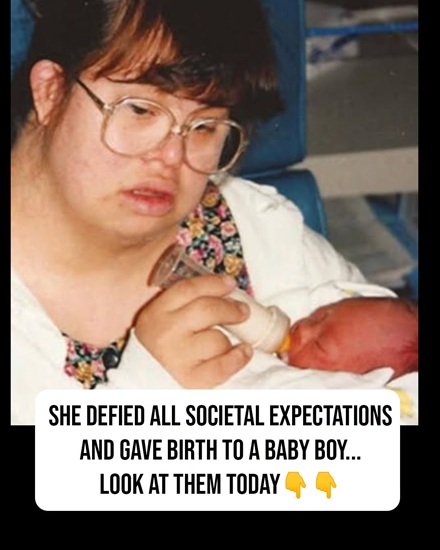
Throughout her pregnancy, Lisa experienced many of the same challenges that expectant mothers commonly face. She attended prenatal appointments, participated in childbirth education, and worked closely with healthcare professionals because her pregnancy was considered high-risk. She later spoke publicly about dealing with morning sickness, fatigue, and the physical demands of pregnancy while continuing to work for much of that time. Despite the difficulties, she remained determined to welcome her child into a loving environment.
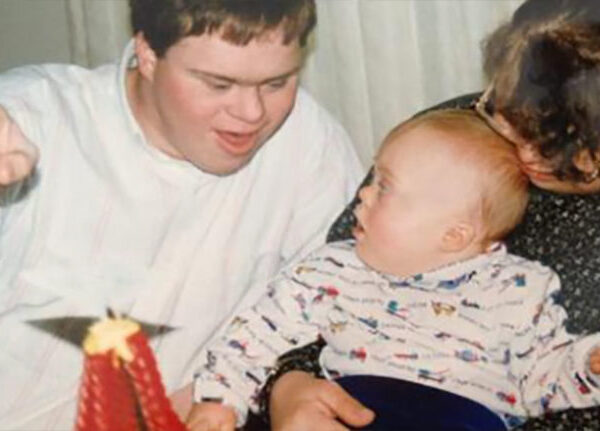
Lisa’s son, Nic, was born four weeks early. He was also diagnosed with Down syndrome, beginning a new chapter for the entire family. Like many newborns, he required attentive medical care during his early days, but he was surrounded by relatives who were committed to giving him every opportunity to thrive. Lisa embraced her new role as a mother, while Patti became an important source of guidance and encouragement. Together, they created a supportive family environment centered on patience, love, and stability.
Several years later, the family experienced a heartbreaking loss when Nic’s father passed away. According to public accounts, Nic was only five years old at the time. From that point forward, Lisa continued raising her son as a single mother with significant support from Patti. Their shared commitment helped provide consistency throughout Nic’s childhood, allowing him to grow in a caring home where his achievements were celebrated and his challenges were met with encouragement rather than discouragement.
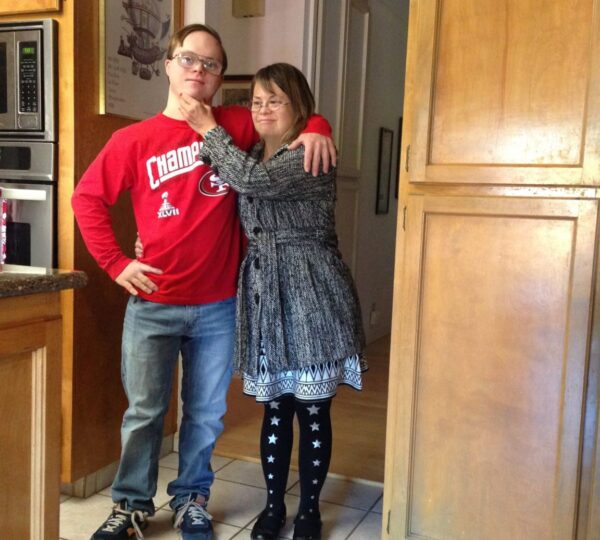
As Nic grew older, he continued developing his own talents and interests. Education became an important part of his journey, and with the support of his family and educators, he reached milestones that filled those around him with pride. Public reports later noted that he graduated from college, demonstrating that individuals with Down syndrome can pursue educational goals when given appropriate opportunities and support. His accomplishments reflected years of dedication, perseverance, and the positive influence of the people who believed in him.
Over the years, members of the family have shared reflections on their journey, emphasizing the importance of acceptance and understanding. Patti has spoken about how her greatest hope was simply for Lisa and Nic to build a close relationship as mother and son. Looking back after many years, she expressed pride in the loving bond they had formed despite the challenges they faced. Their experience serves as a reminder that every family follows a unique path and that compassion often begins by setting aside assumptions in favor of understanding.
Today, the story of Patti, Lisa, and Nic continues to encourage conversations about inclusion, dignity, and equal opportunity. Rather than focusing solely on disability, their experience highlights the importance of family support, personal determination, and treating every individual with respect. Their journey does not suggest that every situation is the same, but it demonstrates that people should be evaluated as individuals rather than through stereotypes. Ultimately, their story is a reminder that love, commitment, and resilience can help families overcome challenges while inspiring greater understanding within society.

