When I first agreed to become a surrogate for my older sister, Claire, I believed I was giving her the greatest gift one person could ever offer another. She had spent years talking about how much she wanted to become a mother after doctors told her that carrying a pregnancy herself would be extremely difficult. Watching someone I loved struggle with that reality was heartbreaking, and after many long conversations, I decided to help. I already had two children of my own, and although I understood the emotional and physical commitment involved, I believed our family would grow even closer through the experience.
For months, everything appeared to move forward as expected. Claire attended medical appointments, asked about each stage of the pregnancy, and thanked me repeatedly for making such a life-changing decision. Her husband, Evan, was polite but noticeably quieter. I assumed he simply processed emotions differently. Looking back, however, I can remember small moments that felt unusual even then. Their questions often focused less on the baby’s health and more on details that seemed oddly specific, especially when conversations turned to the baby’s gender. At the time, I dismissed those moments, believing that every future parent experiences hopes and expectations before welcoming a child.
As the pregnancy progressed, my daily life revolved around preparing for the baby’s arrival. My own children enjoyed feeling the baby kick and often talked excitedly about the day they would finally meet their new cousin. Family members organized a baby shower, and friends shared advice based on their own parenting experiences. Everyone assumed that a joyful new chapter was about to begin. Although pregnancy brought its usual challenges, I found comfort in believing that every difficult day was bringing Claire one step closer to fulfilling her dream of becoming a mother.
During the final weeks before delivery, I noticed that Claire seemed increasingly anxious. Rather than discussing names, nursery decorations, or future family plans, she frequently returned to questions about medical appointments and test results. I reassured her that everything reported by my healthcare team indicated a healthy pregnancy. Like many expectant parents, she appeared eager for reassurance, and I believed her concerns simply reflected the natural nervousness that often accompanies the final weeks before childbirth. I never imagined that our expectations for the future would soon take completely different directions.
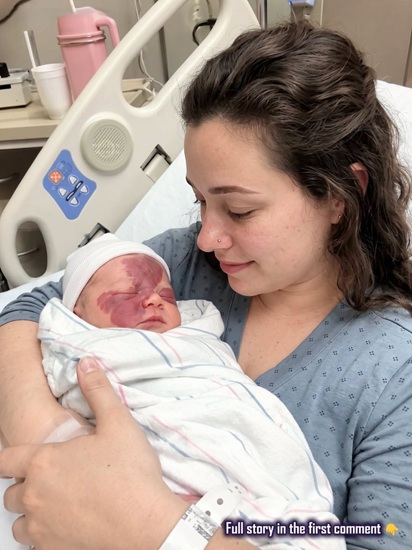
The delivery itself was long, exhausting, and emotionally overwhelming. After hours of labor, the medical team safely delivered a healthy baby girl. The first time I held her, I felt the same overwhelming gratitude that I had experienced with my own children. Although I knew from the beginning that the surrogacy arrangement was intended to allow Claire and Evan to become parents, it was impossible not to feel a deep emotional connection after carrying the baby throughout the pregnancy. I looked forward to seeing the happiness on their faces when they entered the room and met their daughter for the first time.
Instead, the atmosphere changed almost immediately after they arrived. Rather than expressing excitement, both appeared shocked and unusually quiet. Confused by their reaction, I tried to reassure them that the baby was healthy and that the delivery had gone well. The conversation that followed was nothing like the moment I had imagined throughout the previous nine months. Questions that should have centered on the baby’s health instead focused on expectations that had never been fully explained to me before. The celebration I had expected suddenly became an uncomfortable silence filled with confusion, disappointment, and emotions I struggled to understand.
As events unfolded, I found myself questioning everything that had happened during the pregnancy. Conversations that had once seemed insignificant now appeared very different in hindsight. I realized that some of the remarks Claire and Evan had made over previous months carried meanings I had never recognized at the time. Standing in the hospital room, I understood that the situation had become far more complicated than I had ever imagined. The decisions that would follow would affect every member of our family and permanently change relationships that I had once believed could never be broken.
As the days passed, I found myself replaying every conversation in my mind, trying to understand how our family had reached such a painful point. The hopes I had carried throughout the pregnancy had been replaced by difficult questions that seemed impossible to answer. More than anything else, I focused on the well-being of the little girl who had entered the world without any understanding of the conflict surrounding her. Whatever disagreements existed between adults, none of them changed the fact that she deserved love, stability, and a safe place to grow.
In this fictional story, the legal process that followed was lengthy and emotionally demanding. Family courts and child welfare professionals carefully reviewed the circumstances to determine what arrangement would best serve the child’s interests. Decisions involving children are typically based on many factors, including their safety, health, and long-term well-being. Throughout the process, I realized that parenting is measured not only by biology or legal documents but also by the willingness to provide consistent care, protection, and emotional support every single day.
Life gradually settled into a new routine. I chose the name Lily, believing it represented hope and new beginnings. As the months passed, everyday moments became far more meaningful than I had ever expected. Reading bedtime stories, celebrating birthdays, visiting parks, and watching her discover the world reminded me that childhood is built through countless ordinary experiences shared with people who care deeply. Every smile, every question, and every new achievement became another reminder that children flourish best when surrounded by patience, kindness, and stability.
Although the past occasionally resurfaced, I learned that healing rarely happens all at once. Relationships affected by broken trust often require time, reflection, and honest communication before any progress can be made. In this fictional account, each adult faced the consequences of earlier choices in different ways. Some attempted to rebuild their lives, while others struggled to accept the decisions they had made. The emotional journey was not defined by dramatic confrontations but by the gradual realization that every action can shape the future of an entire family.
Several years later, an unexpected meeting reopened old memories. Claire arrived hoping for an opportunity to explain the decisions she had made years earlier. She spoke about regret, difficult circumstances, and the desire to repair relationships that had fallen apart. Listening to another person’s perspective was not easy, especially after everything that had happened. At the same time, rebuilding trust requires more than words alone. It depends on consistent actions over time, accountability, and a genuine commitment to change.
As the conversation came to an end, my attention returned to Lily, who was happily playing nearby without any awareness of the complicated history that surrounded her early life. Seeing her laugh reminded me that children deserve the opportunity to grow in environments where they feel secure, respected, and valued. Rather than focusing on past disagreements, I chose to concentrate on providing the encouragement, education, and emotional support every child needs to develop confidence and resilience.
Looking back, the experience changed my understanding of family. Shared history and biological relationships can create strong bonds, but lasting families are also built through compassion, responsibility, honesty, and everyday acts of care. Difficult experiences may leave lasting memories, yet they can also encourage personal growth and a deeper appreciation for the importance of trust. Supporting a child through patience, consistency, and unconditional care remained the most meaningful responsibility in my life.
Although this fictional story explores themes of disappointment, family conflict, and difficult choices, its central message is one of resilience and hope. Every child deserves to feel accepted, protected, and loved regardless of the circumstances surrounding their birth. Likewise, every family faces challenges in different ways, and healthy relationships are strengthened through empathy, communication, and mutual respect. Even after painful experiences, people can choose to move forward by prioritizing the well-being of children and creating environments where they are encouraged to thrive.
Ultimately, the greatest lesson was not about loss but about responsibility. Life does not always unfold according to expectations, yet the choices people make after unexpected events often define the future more than the events themselves. Providing a safe home, offering encouragement, and treating every child with dignity are values that remain meaningful regardless of circumstance. In this fictional narrative, those values became the foundation for a new beginning and a reminder that compassion and commitment can have a lasting positive impact on a child’s life.
