
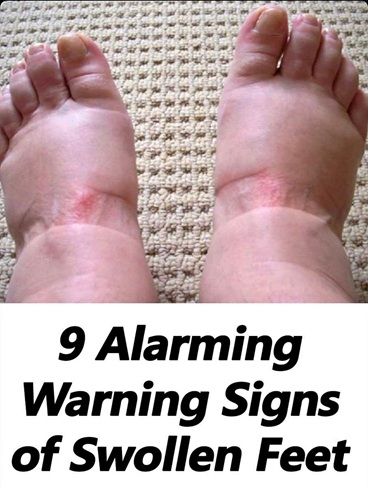
Swollen Feet and Ankles: What They Can Mean and When the Details Matter
Swollen feet or ankles are common enough that many people notice them at some point in their lives.
Sometimes the change is mild.
A pair of shoes may feel tighter than usual at the end of the day.
The skin around the ankle may appear slightly puffy.
A sock may leave a deeper mark than normal.
After resting, moving around, or changing position, the swelling may lessen.
In circumstances like these, the explanation can sometimes be relatively straightforward.
But that is only the beginning of the story.
Swelling is a symptom, not a diagnosis.
The same outward sign can develop for many different reasons.
Some are temporary.
Others involve the joints or soft tissues.
Some are related to circulation.
Others involve the lymphatic system.
And a smaller number can signal conditions that require prompt medical attention.
That is why the appearance of a swollen foot alone cannot reveal the whole answer.
The surrounding details matter much more than many people realize.
What Doctors Mean by Edema
When excess fluid becomes trapped in body tissues and causes swelling, the medical term commonly used is edema.
Edema can occur in different parts of the body.
However, the feet, ankles, and lower legs are common locations.
Gravity helps explain part of this pattern.

When a person spends considerable time sitting or standing, fluid can collect in the lower extremities.
That does not necessarily mean that something dangerous is happening.
But edema also has many other possible causes.
According to Mayo Clinic, pregnancy, certain medications, chronic venous insufficiency, heart failure, kidney disease, and liver cirrhosis are among conditions or circumstances that can contribute to edema.
So there is no single universal explanation.
And that distinction is essential.
Imagine two people whose ankles look similarly swollen.
One person has spent most of the day standing.
The other suddenly developed swelling in one calf together with pain and warmth.
Visually, both situations involve swelling.
Medically, however, they may require completely different responses.
The pattern is the clue.
Start With the Simplest Question: One Side or Both?
One of the first useful observations is whether swelling affects one leg or both.
Swelling in both ankles can occur after prolonged sitting or standing.
It can also occur with several medical conditions that cause generalized fluid retention.
Swelling limited to one side raises a different set of possibilities.
An injury could be responsible.
A joint problem could be responsible.
An infection could be responsible.
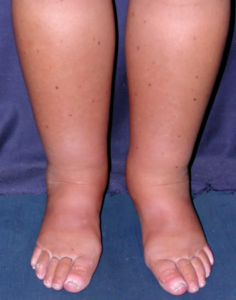
A vein problem could also be responsible.
In some situations, a blood clot must be considered.
That is where the story becomes more serious.
Deep Vein Thrombosis
Deep vein thrombosis, usually shortened to DVT, occurs when a blood clot forms in one or more of the body’s deep veins.
It most commonly develops in the legs.
DVT can produce swelling.
It can also cause pain, cramping, soreness, warmth, or tenderness.
Skin color can sometimes change as well.
But there is one important complication.
A person with DVT does not necessarily experience every one of those symptoms.
Some people have few noticeable symptoms.
That makes self-diagnosis especially unreliable.
A swollen leg is not enough to prove the presence of a clot.
At the same time, a lack of dramatic pain does not completely exclude one.
This is why the circumstances surrounding the swelling are important.
Long periods without movement can increase the risk of DVT.
That may happen during prolonged travel.
It may happen during bed rest.
It may occur following some surgeries.
Certain illnesses and other medical risk factors can also raise the likelihood of clotting.
Yet the most important reason DVT receives so much medical attention is what can happen next.
The clot itself is not always the end of the problem.
Part of it can break away.
Then it can travel.
And its destination can become dangerous.
When a Clot Reaches the Lungs
A blood clot that travels to the lungs and blocks blood flow is called a pulmonary embolism, or PE.
This can become life-threatening.
Possible warning signs include sudden shortness of breath.
Chest pain or discomfort can occur.
The discomfort may become worse with a deep breath or coughing.
A person may feel lightheaded.
Some people become dizzy or faint.
Breathing may become rapid.
The pulse may become rapid.
Coughing up blood can also occur.
Symptoms like these require emergency medical care.
That recommendation should not be interpreted as saying every swollen ankle represents a pulmonary embolism.
It does not.
Most isolated swelling has other explanations.
The point is different.
When leg symptoms occur alongside major breathing or chest symptoms, waiting to see whether the problem disappears can be dangerous.
And there is another practical clue.
Sudden unexplained swelling in only one leg deserves prompt medical evaluation, particularly when pain, warmth, or tenderness is present.
Still, blood clots are only one possibility.
Sometimes the explanation begins much closer to the foot itself.
Tendons Can Cause Localized Swelling
Muscles, tendons, ligaments, and joints can all become injured or irritated.
When that happens, swelling may develop around a relatively specific area.
The Achilles tendon is one example.
It is the strong tendon connecting the calf muscles to the heel bone.
Achilles tendinitis involves irritation or inflammation associated with this tendon.
People may experience pain near the back of the heel.
Pain can become more noticeable with physical activity.
Tenderness may develop.
Localized swelling can occur.
This looks very different clinically from widespread edema involving both lower legs.
That difference matters.
A clinician may ask where the swelling began.
They may ask whether movement makes it worse.
They may ask whether there was recent exercise or injury.
They may examine whether swelling is concentrated around a tendon or spread throughout the tissues.
Every answer narrows the possibilities.
But tendons are not the only structures capable of producing swelling.
The joints can do the same.
Arthritis Is Not One Disease
The word arthritis describes a large group of conditions affecting joints.
It does not refer to one single disease.
Different forms of arthritis have different causes.
They may also require different treatment.
Still, inflammation around a joint can produce several overlapping symptoms.
Pain is common.
Stiffness can occur.
A joint may feel warm.
Some joints become visibly swollen.
Redness can occur in certain conditions.
Movement may become more difficult.
Those features help explain why arthritis is sometimes responsible for swelling around the feet and ankles.
But even within arthritis, the explanation can change considerably.
Osteoarthritis
Osteoarthritis is one of the most common forms of arthritis.
It involves changes in tissues within a joint that develop over time.
Symptoms commonly include pain during joint use.
Stiffness can occur after resting.
Movement may become limited.
Swelling can develop around the affected joint, particularly after increased activity.
The feet contain numerous joints.
So osteoarthritis can affect mobility and comfort there as it can elsewhere in the body.
However, osteoarthritis generally develops differently from a suddenly red and severely painful joint.
That leads to another form of arthritis with a very different pattern.
And for many people, it begins in a surprisingly small place.
When the Big Toe Suddenly Becomes Extremely Painful
Gout is an inflammatory form of arthritis.
It develops when urate accumulates over time and needle-shaped crystals form in or around a joint.
Those crystals can trigger powerful inflammation.
The result can be sudden and intense.
A gout flare often affects a single joint.
The big toe is a particularly common location for a first attack.
A flare may begin suddenly.
It often occurs at night.
The pain can become intense enough to wake a person.
The joint may become swollen.
It can turn red.
It may feel noticeably warm.
Even light pressure can become uncomfortable.
This recognizable pattern has made gout widely discussed.
But there is an important limitation.
A swollen and painful big toe is not automatically gout.
An infection can sometimes produce overlapping symptoms.
An injury can do the same.
Other types of arthritis can also resemble a gout flare.
That is why a diagnosis should not be based solely on a photograph or online symptom description.
There is another common misunderstanding as well.
High urate levels do not automatically mean someone has gout.
Many people can have elevated serum urate without developing gout.
A medical professional may therefore use the history, examination, blood testing, imaging, joint-fluid analysis, or other information when necessary.
A correct diagnosis matters because gout can be treated.
Repeated untreated attacks can become more frequent or prolonged in some people.
But another inflammatory problem can occur close to joints without beginning in the joint itself.
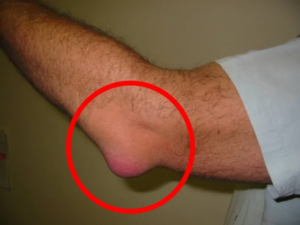
Bursitis
Throughout the body are small fluid-filled structures called bursae.
They help reduce friction between bones and nearby soft tissues.
Think of them as small cushions positioned in areas where movement could otherwise create considerable friction.
When a bursa becomes irritated or inflamed, the condition is called bursitis.
Bursitis is frequently discussed in connection with the shoulder, elbow, hip, or knee.
However, bursae also exist around areas of the foot and heel.
When affected, they may produce localized tenderness.
Movement can be uncomfortable.
Stiffness may occur.
A small area of swelling may become visible.
Again, that pattern differs from generalized edema.
And another autoimmune form of arthritis adds further complexity.
Rheumatoid Arthritis Can Involve the Feet
Rheumatoid arthritis is an autoimmune disease.
The immune system mistakenly attacks the body’s own tissues, including the lining of joints.
Multiple joints may become involved.
The hands and feet are frequently affected.
Symptoms can include pain.
Stiffness may occur.
Joints can become warm.
Swelling can develop.
Over time, persistent inflammation can damage joints if the disease is not appropriately controlled.
But rheumatoid arthritis is not diagnosed merely because several joints hurt.
The clinical pattern, medical history, examination, laboratory testing, and sometimes imaging are used to help establish the diagnosis.
This illustrates a broader principle.
Foot swelling is visually simple.
Its causes are not.
And some of the most important explanations involve systems far from the foot.
The Role of the Veins
Veins carry blood back toward the heart.
In the legs, they must work against gravity.
One-way valves inside the veins help keep blood moving in the correct direction.
When those valves become damaged or fail to function efficiently, blood can pool in the lower legs.
This problem is called chronic venous insufficiency.
Swelling can develop.
Some people notice that their ankles become more swollen later in the day.
Prolonged standing can make symptoms more noticeable.
Other changes involving the skin may occur in chronic cases.
But venous insufficiency should not be confused with DVT.
Both involve veins.
They are not the same condition.
One usually reflects chronic difficulty returning blood from the legs.
The other involves a blood clot in a deep vein.
That distinction changes both urgency and treatment.
And circulation is only one piece of the fluid-balance system.
The Lymphatic System Has Another Job
The lymphatic system is a network of vessels, tissues, and lymph nodes involved in fluid balance and immune function.
It helps return excess fluid from tissues to the bloodstream.
When lymphatic drainage is disrupted, fluid can accumulate.
This produces a condition called lymphedema.
Lymphedema commonly affects an arm or leg.
It can develop after damage to lymphatic vessels.
Removal or damage of lymph nodes during some cancer treatments is one possible cause.
Other conditions can also interfere with normal lymph drainage.
The swelling may persist.
A person can experience heaviness.
The affected limb may feel tight.
Range of motion may become restricted.
Over time, tissue and skin changes may occur.
These symptoms can interfere with everyday activities.
Yet lymphedema has another important connection.
Persistent lymphatic problems can increase vulnerability to certain skin infections.
One of those infections is cellulitis.
And this is where redness and warmth deserve attention.
Cellulitis Is Different From Ordinary Swelling
Cellulitis is a bacterial infection involving deeper layers of the skin and underlying tissues.
The affected area is often painful.
Redness commonly develops.
The skin can feel warm.
Swelling is common.
Tenderness may be present.
Some people develop fever.
Chills or a general feeling of illness can occur.
That combination of symptoms requires a different approach than simply elevating the legs and assuming the swelling will disappear.
Cellulitis often requires medical treatment.
Antibiotics are commonly needed when the infection is bacterial.
Untreated infection can spread.
That is why expanding redness, increasing pain, fever, warmth, or worsening swelling should not be ignored.
Another misconception is worth addressing here.
A photograph cannot reliably establish cellulitis.
Redness and swelling can result from multiple conditions.
A healthcare professional may need to examine the area and consider the person’s medical history.
Sometimes something as small as a break in the skin can become relevant.
Wounds can create an entry point for bacteria.
Athlete’s foot can damage the skin barrier.
Chronic swelling can increase cellulitis risk.
Venous insufficiency can also contribute to vulnerability.
But cellulitis is only one reason the skin around a swollen foot may appear different.
The heart provides another explanation for swelling — and one that often affects both sides.
How Heart Failure Can Lead to Swelling
The phrase heart failure can sound as though the heart has completely stopped.
That is not what the term means.
Heart failure means the heart is unable to pump blood as effectively as the body requires.
When the pumping system becomes inefficient, blood can back up in the veins.
Fluid can then move from blood vessels into surrounding tissues.
This is one reason people with heart failure may develop edema.
Swelling often appears in the feet.
The ankles can become swollen.
The lower legs may also be affected.
Fluid may accumulate in the abdomen.
Changes in body weight can occur as fluid accumulates.
But swelling is not the only symptom.
Shortness of breath is common.
Fatigue can develop.
Some people experience persistent coughing or wheezing.
Physical activities that once felt easy can become more tiring.
Some people have difficulty breathing while lying flat.
The exact combination varies from person to person.
There is an essential caution here.
Swollen ankles alone do not diagnose heart failure.
A healthy person can develop ankle swelling for many other reasons.
Instead, worsening edema is particularly important in people who already have diagnosed heart failure or who develop other concerning symptoms.
The American Heart Association advises people with heart failure to pay attention to increases in swelling and sudden weight changes and to discuss meaningful changes with their healthcare professional.
But the heart is not the only organ capable of changing the body’s fluid balance.
The kidneys are another major player.
Why the Kidneys Matter
The kidneys continuously filter the blood.
They help regulate salt.
They help control water.
They remove waste products.
They also participate in maintaining several important chemical balances in the body.
When kidney function becomes significantly impaired, fluid and salt can accumulate.
Edema may follow.
In some kidney conditions, swelling appears in the legs.
It may also become visible around the eyes.
Certain kidney disorders can cause protein to be lost through the urine.
Lower levels of protein in the blood can contribute to fluid moving into surrounding tissues.
But just like swelling associated with the heart, kidney-related edema cannot be identified solely by looking at someone’s ankle.
Laboratory testing is often necessary.
Urine testing may provide useful information.
Blood tests can measure kidney function.
Medical history matters.
Blood pressure can matter.
Other symptoms can provide clues.
Yet another organ can produce edema through a different mechanism.
Liver Disease and Fluid Accumulation
The liver performs hundreds of functions.
Among them is the production of important blood proteins.
Severe chronic liver disease, including cirrhosis, can interfere with normal fluid balance.
Fluid can accumulate in the legs.
It can also accumulate in the abdomen.
Fluid inside the abdominal cavity is called ascites.
Again, these findings do not mean that ordinary ankle swelling automatically indicates liver disease.
Far from it.
The reason liver disease belongs in the discussion is simply that it is one of several recognized medical causes of significant edema.
This is why medical assessment considers the entire person rather than one body part.
And sometimes the trigger is not a disease at all.
It can be medication.
Medications Can Contribute to Edema
Several categories of medication can cause or worsen swelling in some people.
Certain blood-pressure medications are known to contribute.
Nonsteroidal anti-inflammatory drugs can sometimes cause fluid retention.
Steroid medicines can contribute.
Estrogen-containing treatments can sometimes play a role.
Certain medications used for diabetes can also cause edema.
Some medicines used for nerve pain may be associated with swelling.
The important point is not to stop prescribed medication suddenly.
Doing that can create a different medical problem.
Instead, new swelling that develops after starting or changing medication should be discussed with the prescribing healthcare professional.
They can assess whether the medication might be contributing.
Sometimes the dose can be adjusted.
Sometimes another medicine may be considered.
Sometimes the medication has nothing to do with the swelling at all.
That is why professional evaluation is more reliable than guessing.
Pregnancy Can Produce Swelling Too
Swelling of the feet and ankles is common during pregnancy.
Changes in blood volume, hormones, and pressure from the growing uterus can all affect circulation and fluid distribution.
Mild swelling can therefore occur, particularly later in pregnancy.
But there is an important exception.
Sudden or severe swelling during pregnancy should be medically assessed.
Swelling involving the face or hands, especially when accompanied by other symptoms such as severe headache or visual changes, can require prompt evaluation because clinicians may need to consider pregnancy complications such as preeclampsia.
The presence of ordinary swelling does not automatically mean a complication is present.
But sudden major changes should not simply be assumed to be normal.
Once more, pattern and context make the difference.
Long Hours of Sitting Can Be Enough
Consider someone who spends almost an entire workday sitting.
The calf muscles move less than they would during walking.
Normally, those muscles help push blood upward through the veins.
When they remain inactive, fluid can accumulate more easily in the lower legs.
The same effect can occur during a long journey.
After several hours in a car, bus, train, or plane, the feet may look puffy.
Standing up periodically and moving can help circulation for many people.
But prolonged immobility has a second medical significance.
It can increase the risk of DVT in susceptible people.
That does not mean everyone taking a long flight will develop a clot.
Most will not.
Risk varies according to age, medical history, recent surgery, pregnancy, prior blood clots, medications, cancer, and numerous other factors.
Still, persistent one-sided pain and swelling after prolonged immobility should not be casually dismissed.
That is the delayed detail that changes the picture.
Standing All Day Can Also Cause Swelling
Sitting is not the only ordinary activity capable of contributing to edema.
Standing for many hours can do the same.
Gravity continually pulls fluid toward the lower extremities.
The body’s circulation normally compensates for this.
But after a long period upright, some people notice temporary ankle swelling.
People working jobs that involve prolonged standing may experience it more frequently.
Moving the legs periodically may help.
Elevating the legs after prolonged standing can sometimes reduce uncomplicated swelling.
But if the swelling becomes persistent, painful, markedly asymmetrical, or increasingly severe, it deserves further evaluation.
Because even a common explanation should not be automatically assumed forever.
Salt and Fluid Retention
Sodium influences the body’s fluid balance.
A diet containing large amounts of sodium can contribute to fluid retention in some individuals.
That may make edema more noticeable.
Reducing excessive dietary sodium can be useful for some people, particularly when recommended for a specific medical condition.
However, dietary recommendations are not identical for everyone.
Someone with heart failure may receive specific sodium and fluid instructions.
A person with kidney disease may have different requirements.
Someone without those conditions may not need the same restrictions.
So generic advice such as “remove all salt” is not medically appropriate.
The amount and type of dietary change should fit the person’s overall health.
This is another example of why universal remedies are rarely universal.
Is Swelling After Exercise Normal?
Exercise can temporarily affect tissues around the feet and ankles.
A new or intense workout may irritate muscles or tendons.
An ankle can swell after a sprain.
Overuse injuries can produce inflammation.
Repeated impact can aggravate existing joint problems.
The key question is whether there is an identifiable mechanical reason.
Did the ankle twist?
Was there a fall?
Did pain begin during activity?
Is there bruising?
Can the person bear weight?
Is the swelling localized?
A mild overuse injury is very different from unexplained swelling without trauma.
Severe pain, inability to bear weight, deformity, significant bruising, or worsening symptoms can justify medical assessment.
And even after an apparent injury, not every problem is visible from the outside.
Ankle Sprains and Other Injuries
A sprain occurs when ligaments are stretched or torn.
Ankle sprains are common.
Swelling often develops rapidly.
Bruising can follow.
Pain usually increases with movement or pressure.
Many mild sprains improve with appropriate care.
But fractures can sometimes initially resemble severe sprains.
This is why significant pain or inability to walk normally should not automatically be self-diagnosed.
Medical evaluation and imaging may sometimes be needed.
Trauma can also increase DVT risk in certain circumstances, particularly if the injury leads to substantial immobility.
So even an obvious injury does not make all other considerations irrelevant.
The larger medical picture still matters.
What Does “Pitting” Mean?
Some forms of edema leave a temporary indentation after pressure is applied to the swollen skin.
Clinicians call this pitting edema.
A healthcare professional may press gently on the area and observe whether a depression remains.
The presence of pitting can provide information about the nature of the swelling.
But it does not identify a single cause.
Heart-related edema may pit.
Venous edema may pit.
Other forms of fluid retention can also produce the same sign.
So pressing on the ankle at home and seeing a dent is not a diagnostic test.
It is simply one observation among many.
There are more.
Skin Texture Can Change
Edema can make the skin look stretched.
It can appear shiny.
The tissues may feel heavy.
Shoes and socks can become tighter.
Long-standing edema may eventually affect the skin itself.
Chronic swelling can make movement more difficult.
It can increase stiffness.
In some situations, persistent edema can contribute to skin breakdown or ulceration.
That is particularly relevant when circulation is already impaired.
But the absence of visible skin damage does not automatically mean that the swelling is harmless.
The cause still matters more than the appearance alone.
Why Redness Changes the Discussion
Swelling without redness is common.
Swelling with redness deserves more careful consideration.
Injury can produce redness.
Inflammatory arthritis can produce redness.
Gout can make a joint red.
Cellulitis can cause expanding redness.
A superficial inflamed vein can also appear red.
So even redness does not reveal one unique diagnosis.
Warmth adds another clue.
Pain adds another.
Fever adds another.
The combination becomes more informative than any single symptom.
And then there is timing.
Sudden Versus Gradual Swelling
Timing can be extremely useful.
Edema that gradually becomes noticeable over weeks or months raises different questions from swelling that appears within hours.
Gradual swelling may be associated with chronic venous disease.
It may occur in chronic heart, liver, or kidney disease.
Lymphedema can evolve over time.
Medication-related swelling may appear after treatment begins.
Sudden swelling has another differential diagnosis.
Injury becomes more likely if trauma occurred.
Gout can begin suddenly.
An infection can progress quickly.
DVT can also cause sudden unilateral swelling.
So asking “When did this start?” is not a minor detail.
It may be one of the most useful pieces of the medical history.
Pain Changes the Meaning Too
Some edema is uncomfortable but not sharply painful.
Other causes produce significant pain.
A gout attack can cause intense joint pain.
Cellulitis can be tender and painful.
DVT can produce calf pain or soreness.
An injury can cause severe pain around the damaged structure.
A tendon disorder may hurt primarily during activity.
That distinction helps clinicians decide where to look next.
Yet absence of pain is not a guarantee that nothing important is happening.
DVT can sometimes occur without obvious symptoms.
Heart-related edema may not initially cause severe pain.
Chronic venous insufficiency may cause heaviness rather than sharp pain.
Again, no single symptom closes the case.
Warmth Can Be Another Clue
An area that feels warmer than surrounding skin can suggest inflammation.
DVT can produce warmth.
Cellulitis often produces warmth.
A gout flare can create a hot, swollen joint.
An injured area may also feel warmer during inflammation.
This is why warmth by itself cannot establish a diagnosis.
But it becomes more significant when combined with swelling, redness, or pain.
If fever is also present, infection moves higher on the list of possibilities.
Still, only a healthcare professional can properly evaluate the pattern.
Fever Is Not Typical of Simple Fluid Retention
Mild dependent edema from standing does not normally cause fever.
That makes fever an important accompanying symptom.
Cellulitis can cause fever and chills.
Other infections may do the same.
An inflammatory condition can sometimes produce systemic symptoms.
When swelling, spreading redness, warmth, tenderness, and fever occur together, medical evaluation becomes much more important.
This is not because every fever with foot swelling is automatically dangerous.
Rather, those symptoms indicate that ordinary fluid retention may not be the full explanation.
And sometimes there are clues much farther away from the foot.
Shortness of Breath Is a Major Warning Sign
Shortness of breath changes the situation dramatically.
It can occur in heart failure.
It can occur with pulmonary edema.
It can occur with pulmonary embolism.
Many other respiratory and cardiovascular conditions can also cause it.
When new significant breathing difficulty accompanies leg swelling, the combination deserves urgent assessment.
Chest pain adds another level of concern.
Fainting or near-fainting does too.
Coughing up blood is another emergency warning sign.
These are symptoms for which internet research should not delay medical care.
The priority becomes evaluation.
Why Doctors Ask About Recent Surgery
Surgery can affect swelling in several ways.
Tissues around the surgical site can naturally swell during healing.
Movement may be reduced during recovery.
Some procedures can injure or alter lymphatic pathways.
And major surgery can increase the risk of blood clots.
This is why doctors may ask whether someone recently had an operation even when the swelling is in the legs.
The detail may initially seem unrelated.
It often is not.
The same principle applies to hospitalization.
A long period of bed rest can influence circulation.
Reduced mobility can raise clot risk.
New medications can change fluid balance.
The complete context matters.
Previous Blood Clots Matter
Someone who has previously experienced DVT or pulmonary embolism may have a different baseline risk from someone who has never had one.
That information is medically relevant.
So is a known clotting disorder.
Family history may sometimes matter.
Cancer and certain cancer treatments can affect clot risk.
Pregnancy and the postpartum period can influence clotting as well.
These factors do not mean a new swollen ankle is automatically a blood clot.
They simply alter the level of concern.
That is exactly how medical reasoning works.
Risk factors modify probability.
They do not create certainty.
Body Weight and Swelling
Higher body weight can sometimes contribute to lower-extremity swelling.
It may increase pressure on veins.
Reduced mobility can also contribute.
Obesity is associated with increased risk for several conditions that can cause edema, including venous disease.
However, swelling should not be dismissed simply because a person has a higher body weight.
That would be an assumption rather than a diagnosis.
A new unilateral swollen leg still requires appropriate attention.
Redness and fever still matter.
Breathing difficulty still matters.
Every person deserves the same careful assessment of symptoms.
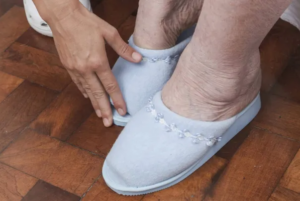
Tight Clothing Can Make Swelling More Noticeable
Tight garments around the legs can interfere with comfort and may leave visible marks where swelling is already present.
Tight shoes can become painful when the feet expand.
Socks may leave deep impressions.
But clothing itself does not explain every case of edema.
If swelling persists after restrictive clothing is removed, another cause may need consideration.
Again, the visible mark is not the diagnosis.
It is evidence that the tissue volume has changed.
Why Both Feet May Swell in Hot Weather
Heat can cause blood vessels near the skin to widen.
For some people, this can make dependent swelling in the feet and ankles more noticeable.
Standing in warm conditions may intensify the effect.
This usually differs from sudden one-sided painful swelling.
But people with established heart, kidney, liver, or vascular disease should follow individualized medical advice if swelling changes significantly.
Seasonal assumptions should never override warning signs.
Hot weather may explain some puffiness.
It does not explain chest pain.
It does not explain coughing up blood.
It does not explain every swollen calf.
That distinction remains important.
Can Elevating the Legs Help?
Leg elevation can sometimes help mild dependent swelling and some forms of venous edema.
Raising the legs reduces the effect of gravity and may assist fluid return.
But elevation is supportive care.
It is not a diagnosis.
And it is not a cure for every underlying condition.
It cannot dissolve a dangerous blood clot.
It cannot treat cellulitis.
It does not correct significant heart or kidney failure.
It does not eliminate gout crystals during an acute flare.
This is why simple home measures need context.
The same applies to compression.
Compression Socks Are Not for Everyone Without Assessment
Compression stockings are often used for certain forms of venous swelling.
They apply graduated pressure to the legs and can help support venous return.
But people should not assume stronger compression is always better.
Certain circulation problems may require professional assessment before compression is used.
Sizing matters.
The type of swelling matters.
Existing wounds matter.
Peripheral arterial disease can change the recommendations.
A healthcare professional can help determine whether compression is appropriate.
The important principle is simple.
A useful therapy for one cause may be inappropriate for another.
What About Ice?
Cold can reduce pain and inflammation after some musculoskeletal injuries.
It may be useful in certain acute injuries when applied appropriately.
But ice is not a universal treatment for edema.
Swelling caused by heart failure will not be corrected by cooling the feet.
Neither will kidney-related edema.
Cellulitis requires assessment and appropriate infection treatment.
DVT requires urgent medical evaluation and specific treatment.
Lymphedema has its own management strategies.
People with reduced sensation or poor circulation should also be cautious with extreme cold because they may not recognize tissue injury quickly.
Therefore, advice such as “put every swollen foot in ice water” oversimplifies a complex symptom.
Movement Can Sometimes Help
Walking activates the calf muscles.
Those muscles help push venous blood upward toward the heart.
For ordinary dependent swelling after prolonged sitting, gentle movement can sometimes improve comfort.
Changing position frequently can also be helpful during long periods of desk work or travel.
But there is a major qualification.
If someone has sudden unexplained one-sided swelling and there is concern for DVT, they should seek medical assessment instead of relying on exercise as a treatment.
Likewise, severe injury may require rest rather than increased walking.
Again, knowing the cause matters.
Yoga Is Not a Universal Treatment
Some people benefit from gentle exercise, including stretching and yoga.
Movement can support mobility and flexibility.
It can also be helpful for certain arthritis patients when incorporated into an appropriate exercise plan.
However, yoga cannot be presented as a universal cure for swollen feet.
It does not treat DVT.
It does not eliminate bacterial cellulitis.
It does not reverse heart failure.
It does not correct kidney disease.
And a severely inflamed or injured joint may need modification or rest.
Exercise recommendations should match the underlying condition.
This may sound less dramatic than promising a quick cure.
But it is much more accurate.
Hydration Is More Complicated Than “Drink More Water”
Hydration is important to normal physiology.
But telling every person with swollen feet to simply drink more water is not appropriate.
Some people with heart failure or severe kidney disease may receive individualized fluid restrictions.
Others may not need restrictions at all.
Recommendations depend on the medical condition and treatment plan.
The same applies to diuretics.
These medications increase urine output and may be prescribed for certain causes of fluid retention.
But they are not harmless over-the-counter solutions to unexplained swelling.
They can alter electrolytes.
They can affect kidney function.
They interact with other medications.
Prescription decisions belong with qualified healthcare professionals.
Swelling Can Sometimes Be a Medication Side Effect
This deserves repeating because it is frequently overlooked.
A person may develop edema after starting a new treatment.
Certain calcium-channel-blocking blood pressure medications are particularly known to cause ankle swelling in some patients.
Other drug classes can contribute as well.
If a medication is suspected, a doctor may review the timing.
They may compare symptoms with the treatment schedule.
They may adjust therapy when appropriate.
But stopping medication independently can be risky.
For example, abruptly discontinuing blood-pressure treatment could leave blood pressure uncontrolled.
So the correct response is not panic.
It is communication with the prescribing clinician.
Why Medical History Matters So Much
Doctors rarely assess swelling in isolation.
They ask about previous heart disease.
They ask about kidney disease.
They may ask about liver disease.
Previous clots matter.
Recent surgery matters.
Pregnancy matters.
Recent travel can matter.
Medication changes matter.
Injury matters.
Fever matters.
Skin wounds matter.
Cancer history can matter.
The pattern of activity matters.
Even how long the swelling lasts can provide information.
That is why two visually identical swollen ankles can lead to two very different diagnoses.
What a Physical Examination May Look For
A healthcare professional may compare both legs.
They may examine the distribution of swelling.
They may assess skin temperature.
Redness may be noted.
Tenderness can be checked.
The joints may be examined.
Pulses may be assessed.
The clinician may look for wounds.
They may evaluate whether the swelling pits.
They may inspect the veins.
They may listen to the heart and lungs if systemic causes are possible.
They may ask whether lying down makes breathing more difficult.
Each observation provides another piece of the puzzle.
But examination alone is sometimes not enough.
Tests May Be Needed
The type of testing depends on the suspected cause.
Blood tests can evaluate kidney function.
Liver-related markers may be measured.
Electrolytes can be checked.
Certain heart-related tests may be appropriate when heart failure is suspected.
Urine testing can provide clues about kidney disease.
Ultrasound is often used when clinicians need to assess blood flow in the leg veins and look for DVT.
X-rays may be useful after trauma or when joint disease is suspected.
Other forms of imaging may be used depending on the circumstances.
Joint fluid can occasionally be sampled when gout or infection needs to be distinguished.
There is no single “swollen-foot test.”
The investigation follows the suspected cause.
Why Online Photos Are Limited
A picture can show swelling.
It may show redness.
It can show bruising.
It may reveal a visible wound.
But a photograph cannot show a blood clot inside a deep vein.
It cannot measure kidney function.
It cannot determine cardiac pumping function.
It cannot reliably tell whether a red joint contains urate crystals.
It cannot establish whether bacteria are causing a skin infection.
That is why image-based self-diagnosis has clear limitations.
Photos can help document changes.
They can sometimes be useful when speaking with a healthcare professional.
But they are not a substitute for medical evaluation.
The Pattern Over Time Can Be Revealing
Does the swelling disappear overnight?
Does it return every evening?
Is it gradually worsening?
Did it appear suddenly this morning?
Has it remained unchanged for weeks?
Is one leg consistently larger than the other?
Does standing make it worse?
Does elevation improve it?
Does movement trigger pain?
These questions create a timeline.
A timeline can reveal patterns that a single snapshot cannot.
For example, swelling that worsens late in the day and improves with elevation may suggest a different mechanism from a joint that becomes acutely red, hot, and intensely painful overnight.
The final diagnosis still requires proper evaluation when necessary.
But patterns help guide that evaluation.
Persistent Swelling Should Not Simply Become “Normal”
People sometimes adapt to symptoms that develop gradually.
A slightly swollen ankle becomes familiar.
Months pass.
Then shoes are consistently tight.
Walking becomes less comfortable.
Skin changes begin.
Because the process was gradual, it can feel less urgent.
But persistent unexplained swelling still deserves attention.
Chronic venous insufficiency can worsen over time.
Lymphedema can become more difficult to manage.
Heart, kidney, and liver disorders can evolve.
Joint disease can affect mobility.
Persistent edema can also contribute to skin complications.
A symptom does not need to be dramatic to be worth discussing with a professional.
Recurrent Swelling Also Tells a Story
Some people experience swelling repeatedly.
It appears after long workdays.
It improves overnight.
Then it returns.
Others notice episodes connected to specific medications or hormonal changes.
Some have recurrent gout attacks.
Others experience intermittent inflammation related to arthritis.
The repeated pattern can offer valuable information.
Keeping track of when the swelling appears can help.
So can documenting associated pain, redness, warmth, activity, recent travel, medication changes, and other symptoms.
The goal is not to diagnose yourself from a diary.
The goal is to provide better information when medical advice is needed.
When the Skin Becomes Shiny or Tight
Significant edema can stretch the skin.
It may look shiny.
It may feel tight.
Movement can become uncomfortable.
Persistent stretching can make the skin more vulnerable.
In some forms of chronic edema, infection risk can increase.
Small wounds may heal more slowly when circulation is impaired.
That makes skin care particularly important for people with longstanding venous or lymphatic disorders.
But new skin changes should still be medically assessed when their cause is uncertain.
People With Diabetes Need Extra Caution
Diabetes can affect sensation in the feet.
It can also contribute to circulation problems in some people.
Reduced sensation means an injury may not be noticed immediately.
A wound may initially cause little pain.
Infection can then become more serious before the person recognizes the problem.
For this reason, unexplained swelling, wounds, redness, or skin changes in someone with diabetes deserve particular attention.
Extreme hot or cold home treatments can also be risky when sensation is reduced.
The person may not accurately feel tissue damage occurring.
Foot care recommendations should therefore be individualized.
A Swollen Foot After a Wound Deserves Attention
A cut, blister, ulcer, insect bite, or other break in the skin can create a pathway for bacteria.
That does not mean every wound becomes infected.
Most minor wounds heal normally.
But increasing redness is concerning.
Spreading warmth is concerning.
Growing tenderness matters.
Pus or drainage can matter.
Fever or chills can indicate a broader infection.
If swelling develops around an injured area and continues to worsen, medical evaluation may be appropriate.
Again, cellulitis is one possible explanation among several.
Gout and Infection Can Look Similar
This deserves special emphasis.
Both gout and infection can produce a red, hot, swollen joint.
Both can be painful.
Both may develop quickly.
But they require very different treatment.
Treating an infection as though it were simply gout could delay antibiotics.
Assuming gout is an infection could also lead to unnecessary treatment.
Medical professionals sometimes use joint-fluid testing when the distinction is uncertain.
This is a good example of why symptom overlap matters.
Even experienced clinicians sometimes need testing to separate conditions that look similar.
Not Every Swollen Joint Is Arthritis
A swollen joint can result from trauma.
It can occur after overuse.
Ligaments can be injured.
Tendons can become irritated.
An infection can involve the joint.
Crystal diseases such as gout can cause inflammation.
Autoimmune conditions can affect it.
Osteoarthritis can produce swelling after use.
That is a wide range of possibilities.
So a generic label such as “arthritis” should not be applied without evidence.
Accurate health information avoids that shortcut.
Heart Failure Swelling Usually Comes With Context
People sometimes encounter alarming headlines suggesting that swollen ankles “mean heart failure.”
That statement is misleading.
Heart failure can certainly cause ankle and leg swelling.
But ankle swelling has numerous other causes.
The presence of edema becomes more meaningful when it occurs alongside other heart-failure symptoms or in someone with an established diagnosis.
Breathlessness can be important.
Reduced exercise tolerance may matter.
Persistent coughing or wheezing can occur.
Increasing abdominal swelling may occur.
Rapid changes in body weight caused by fluid retention can be important.
No one symptom should be used as a stand-alone diagnosis.
Tracking Weight in Established Heart Failure
For people already diagnosed with heart failure, healthcare teams may recommend regular weight monitoring.
Why?
Because rapidly accumulating fluid can increase body weight.
A noticeable change may therefore provide an early clue that fluid retention is worsening.
However, there is no single universal number that every patient should use as an emergency threshold.
The person’s healthcare professional should provide individualized instructions.
This avoids another common misinformation problem.
A medical number can be useful in one treatment plan without being universally applicable to everyone.
Kidney-Related Swelling Can Look Different
Kidney disease may cause fluid and sodium to accumulate.
Some people develop swelling in the legs.
Others may notice puffiness around the eyes.
Certain kidney conditions are associated with protein loss in the urine.
But these visual clues are still not sufficient for diagnosis.
A simple blood test can reveal far more about kidney filtration.
Urine testing can detect protein and other abnormalities.
Blood pressure provides additional context.
The cause may only become clear after multiple pieces of information are combined.
Lymphedema Often Feels Heavy
People with lymphedema sometimes describe heaviness in the affected limb.
Tightness can develop.
Clothing, shoes, or jewelry may fit differently.
Movement may become more difficult.
The swelling can range from relatively mild to substantial.
Over time, tissue texture can change.
Because the lymphatic system also participates in immune defense, recurrent skin infections can become a concern in affected limbs.
Professional lymphedema management may include specialized compression, exercise, skin care, and other techniques depending on the person.
It is not simply ordinary water retention.
Chronic Venous Insufficiency Can Affect the Skin
Long-term venous pressure can eventually produce more than swelling.
Skin discoloration may develop around the ankles in some people.
The tissues can become irritated.
In advanced cases, venous ulcers can form.
This usually represents a chronic process rather than something that appears suddenly overnight.
Treatment depends on severity and the person’s circulation.
Compression is often part of management when appropriate.
Movement and leg elevation can also be useful.
But a professional should evaluate persistent swelling and skin changes.
Because the cause should be established before long-term treatment begins.
Why “Detox” Claims Are Misleading
Foot swelling is sometimes used to promote detox drinks, herbal mixtures, or other products.
The idea sounds simple.
Drink something.
Flush away “toxins.”
Watch the swelling disappear.
Human physiology is considerably more complicated.
Edema can result from venous pressure, lymphatic dysfunction, cardiac disease, kidney problems, liver disease, inflammation, medication effects, pregnancy, or other causes.
No generic detox product corrects all of those mechanisms.
Some supplements can also interact with medication.
Others can affect kidney or liver function.
People with unexplained edema should not be encouraged to substitute unproven treatments for medical assessment.
Accurate health information needs to say that clearly.
Why Miracle Cures Should Raise Questions
Any claim that one household ingredient can “cure swollen feet in minutes” deserves skepticism.
It may reduce discomfort in a particular circumstance.
It may create a temporary sensation of relief.
But that does not mean it treats the underlying cause.
If swelling is caused by a blood clot, the clot still exists.
If cellulitis is present, the infection remains.
If the kidneys are failing to regulate fluid correctly, soaking the feet does not repair kidney function.
If venous valves are damaged, a household remedy does not restore them.
Simple advice becomes dangerous when it replaces appropriate care.
Why Responsible Health Writing Uses Careful Language
Phrases such as “can be associated with” are often more accurate than “means.”
“May cause” is different from “always causes.”
“Possible symptoms include” is different from “if you have this symptom, you have the disease.”
Those distinctions are not merely stylistic.
They reflect how medicine actually works.
Many diseases share symptoms.
Many symptoms have harmless and serious explanations.
Individual risk varies.
Tests sometimes change an initial diagnosis.
Responsible medical content acknowledges uncertainty when uncertainty exists.
That is not weakness.
It is accuracy.
Swelling Is a Signal, Not a Verdict
Perhaps the most useful way to think about swollen feet is as a signal.
The body is showing that something has changed.
Sometimes the change is temporary.
Perhaps the person has been standing all day.
Perhaps the weather is hot.
Perhaps a mild ankle injury occurred.
Sometimes the signal points toward a chronic circulation problem.
Sometimes it reflects inflammation.
Sometimes an infection is involved.
And occasionally it is part of a medical emergency.
The challenge is determining which situation applies.
Questions Worth Asking Yourself
When did the swelling begin?
Did it appear suddenly?
Is one leg affected or both?
Is there pain?
Is there redness?
Does the skin feel warm?
Is there tenderness?
Was there an injury?
Has there been recent surgery?
Was there a long trip or prolonged bed rest?
Is the person pregnant or recently postpartum?
Are new medications being taken?
Is there known heart disease?
Is there known kidney or liver disease?
Has there been a previous blood clot?
Is there fever?
Is breathing normal?
Is chest pain present?
These questions do not diagnose the problem.
But they help reveal when medical evaluation may be important.
The Emergency Combination
Certain combinations deserve particularly rapid attention.
Sudden unexplained leg swelling plus shortness of breath is one.
Leg symptoms plus chest pain are another.
Fainting or severe dizziness adds concern.
Coughing up blood is another warning sign.
These symptoms can occur with pulmonary embolism or other serious heart and lung conditions.
Emergency medical services should be contacted when significant symptoms like these occur.
This is one situation where the “wait and see” approach may be inappropriate.
Sudden One-Sided Swelling Also Matters
Even without chest symptoms, sudden unexplained swelling in only one leg warrants prompt assessment.
DVT is one reason.
Infection is another possibility.
An injury may be responsible.
A ruptured cyst or another condition can sometimes produce similar symptoms.
A healthcare professional can determine what testing is needed.
Often, a venous ultrasound is used when DVT is suspected.
The important message is not that unilateral swelling always equals a clot.
It does not.
The message is that it should not be casually ignored.
When Swelling Is Less Urgent
Mild swelling affecting both ankles after many hours of standing or sitting, without pain, redness, warmth, fever, breathing problems, or other concerning symptoms, is often less urgent.
Changing position may help.
Gentle movement may help.
Leg elevation can sometimes help.
Avoiding excessive sodium may be appropriate for some individuals.
But persistent swelling should still be evaluated.
A symptom does not need to be an emergency to deserve medical attention.
That middle ground is often missing from online health discussions.
Not everything is harmless.
Not everything is catastrophic.
Most real medical decisions exist between those extremes.
Why Age Can Matter
Certain causes of edema become more common with increasing age.
Venous valves can become less efficient.
Heart disease becomes more prevalent.
Kidney function can change.
Medication use often increases.
Mobility may decrease.
At the same time, younger people can also develop DVT, arthritis, injuries, infections, or other causes of swelling.
Age modifies risk.
It does not determine the diagnosis.
That is another reason universal statements should be avoided.
Why Mobility Matters
The calf muscles are sometimes described as a secondary pump for venous circulation.
Every time they contract during walking, they help move blood upward through the veins.
When a person is immobile, that pumping effect decreases.
This is one reason movement can reduce ordinary dependent swelling.
It also helps explain why prolonged immobility contributes to DVT risk.
Simple body mechanics can therefore connect an everyday observation with an important medical principle.
But movement is still not an appropriate treatment for every swollen leg.
Severe injury may need protection.
A suspected clot needs medical assessment.
The context decides.
What About Massage?
Gentle massage may feel comfortable for some forms of muscle tension or uncomplicated swelling.
However, aggressively massaging a leg with unexplained unilateral swelling is not a safe universal recommendation.
If a blood clot is possible, professional medical assessment comes first.
Active cellulitis may also make manipulation painful and inappropriate.
Lymphedema massage techniques exist, but they are specialized approaches generally taught or performed by trained professionals.
The word “massage” therefore covers very different practices.
No single recommendation fits every cause.
The Same Rule Applies to Heat
Warm water may feel soothing for certain musculoskeletal problems.
But heat does not treat the underlying cause of edema.
A hot, red, infected area should not simply be assumed to need more heat.
Someone with impaired sensation can also be vulnerable to burns.
People with vascular or neurological problems may need additional caution.
A comfortable remedy is not automatically a therapeutic treatment.
That distinction keeps health advice accurate.
The Importance of Footwear
Swollen feet can make normally comfortable shoes suddenly tight.
Pressure points can develop.
Blisters may form.
People with chronic swelling often benefit from appropriately fitting footwear.
This can be especially important for individuals with diabetes or reduced sensation.
Shoes that compress swollen tissues can worsen discomfort.
But buying larger shoes does not solve the medical reason the feet are swollen.
It addresses the consequence, not necessarily the cause.
Again, symptom management and diagnosis are different things.
Swelling After Travel
Long-distance travel deserves its own discussion.
Sitting for several hours can produce mild swelling in both ankles.
That is relatively common.
Getting up periodically, when safe and possible, can support circulation.
Moving the ankles and calf muscles may also help.
But travel is also associated with increased DVT risk in susceptible individuals because prolonged immobility slows venous blood flow.
Persistent one-sided swelling or pain after a journey should therefore receive medical attention.
Especially when the person has additional clotting risk factors.
The same journey can produce a harmless symptom in one traveler and a serious complication in another.
Context changes everything.
Swelling After Surgery
Some postoperative swelling is expected depending on the operation.
Surgical trauma triggers inflammation.
Tissues may retain fluid while healing.
But surgery is also an important DVT risk factor.
Reduced mobility after an operation adds further risk.
This is why surgical teams often use measures designed to reduce clotting risk.
These can include early movement, compression devices, or anticoagulant medication depending on the procedure and individual risk.
A person recovering from surgery should follow the instructions provided by their healthcare team.
New unexplained calf swelling or breathing difficulty should be reported promptly.
Swelling During Cancer Treatment
Cancer itself and some cancer treatments can alter the risk of blood clots.
Surgery involving lymph nodes can contribute to lymphedema.
Certain medications can affect fluid balance.
Reduced mobility may also play a role.
That means swelling in someone undergoing cancer treatment can have several possible explanations.
The treating oncology team is usually best positioned to interpret new symptoms in context.
The symptom should not automatically be attributed to one cause without evaluation.
Why Comparison With the Other Leg Helps
Doctors commonly compare one limb with the other.
This can help show whether swelling is truly unilateral.
It can reveal differences in color.
Temperature can be compared.
Tenderness may be localized.
But human bodies are not perfectly symmetrical.
Some people naturally have small differences between limbs.
So comparison is informative rather than definitive.
Measurements may sometimes be taken.
Imaging may still be required.
Physical examination provides clues.
It does not always provide the final answer.
What If Swelling Comes and Goes?
Intermittent swelling is still worth understanding.
If it consistently follows prolonged standing and disappears after rest, the pattern may suggest dependent edema.
If it follows particular medication doses, that timing can be relevant.
If a painful joint suddenly swells for several days and then becomes normal again, inflammatory arthritis such as gout may need consideration.
If swelling occurs together with episodes of breathlessness, a cardiovascular cause may be investigated.
A pattern can be more informative than one isolated episode.
Keeping accurate notes can help when discussing the problem with a clinician.
Can Hormones Influence Fluid Retention?
Hormonal changes can influence fluid balance.
Some people experience temporary swelling around the menstrual cycle.
Pregnancy can also produce edema.
Estrogen-containing medications are among treatments that can contribute to fluid retention in some patients.
Yet hormonal explanations should still not be used to dismiss new or unusual swelling.
A new symptom deserves the same basic questions.
Is it one-sided?
Is it painful?
Is there warmth?
Did it appear suddenly?
Are there breathing symptoms?
The warning signs do not disappear simply because another explanation is possible.
Why the Cause Determines the Treatment
This may be the most important principle in the entire discussion.
There is no single treatment for “swollen feet” because swollen feet are not one disease.
A bacterial infection may require antibiotics.
DVT is commonly treated with anticoagulant medication.
Gout treatment targets inflammation and urate-related disease.
Heart-failure treatment addresses cardiac function and fluid balance.
Kidney-related edema requires treatment of the underlying kidney disorder.
Venous insufficiency may be managed with movement, elevation, compression when appropriate, and other vascular treatments.
Lymphedema has specialized management.
An injury may need an entirely different plan.
One symptom.
Many pathways.
Many treatments.
That is why guessing can be risky.
Why a Diagnosis From Social Media Is Unreliable
Health posts can be useful for education.
They can explain symptoms.
They can highlight warning signs.
They can encourage someone to seek appropriate care.
But a social-media post cannot examine a person.
It cannot measure vital signs.
It cannot order ultrasound.
It cannot test kidney function.
It cannot culture an infection.
It cannot examine joint fluid.
So posts claiming that one picture reveals a specific disease should be treated cautiously.
Medical education should help people understand possibilities without pretending to provide certainty.
Sensational Headlines Create a Real Problem
Titles such as “If your ankles look like this, your heart is failing” are misleading.
So are claims such as “This one sign proves you have a blood clot.”
They turn a possible association into a diagnosis.
That can unnecessarily frighten some readers.
More dangerously, it can give false reassurance to others whose symptoms look different.
DVT may occur without classic signs.
Heart failure can exist without dramatic ankle swelling.
Cellulitis varies in appearance.
Real medicine is not always visually obvious.
Accuracy matters more than shock value.
A Better Way to Explain the Symptom
A more responsible statement is simple.
“Swollen feet and ankles can have many causes, ranging from prolonged sitting or standing to medical conditions involving the veins, joints, heart, kidneys, lymphatic system, or skin.”
That sentence leaves room for reality.
It neither minimizes nor exaggerates.
Then warning signs can be explained separately.
Sudden one-sided swelling deserves prompt attention.
Chest pain and significant difficulty breathing require emergency evaluation.
Expanding redness with fever may indicate infection.
Persistent unexplained edema deserves medical assessment.
The reader receives useful information without being told they have a disease they may not have.
When to Schedule a Routine Medical Visit
Not every case requires an emergency department.
Persistent swelling that continues without a clear explanation can often begin with a routine medical appointment.
Recurring edema deserves discussion.
Gradually worsening ankle swelling should be evaluated.
New swelling after starting medication should be mentioned.
Long-standing swelling that begins affecting the skin deserves attention.
Joint swelling that repeatedly returns should be assessed.
The clinician can decide whether blood tests, imaging, medication review, vascular evaluation, or other testing is appropriate.
Routine care and emergency care serve different purposes.
Knowing the distinction helps people respond appropriately.
When to Seek More Urgent Care
Sudden unexplained one-sided swelling deserves faster assessment.
Marked redness and warmth can require prompt evaluation.
Fever alongside a swollen red limb increases concern for infection.
Severe pain after an injury may require urgent assessment.
A foot that becomes pale, blue, unusually cold, numb, or severely painful can indicate a circulation problem and warrants urgent medical attention.
Again, the exact level of urgency depends on the whole clinical picture.
But these are symptoms that should not be casually ignored.
When It Becomes an Emergency
Significant breathing difficulty changes everything.
Chest pain changes everything.
Fainting changes everything.
Coughing up blood is another emergency warning sign.
If these occur with leg swelling or possible DVT symptoms, emergency medical care is warranted.
Calling emergency services is appropriate when severe symptoms are present.
Online research should come later.
Medical evaluation comes first.
That is the one part of this topic where delayed payoff is not appropriate.
The action should be immediate.
The Final Takeaway
Swollen feet are common.
But common does not mean meaningless.
Sometimes swelling simply reflects hours spent standing.
Sometimes it follows prolonged sitting.
Sometimes a minor injury explains it.
But edema can also be associated with venous insufficiency, DVT, heart failure, kidney disease, liver disease, lymphedema, cellulitis, gout, osteoarthritis, rheumatoid arthritis, bursitis, tendon problems, medication effects, pregnancy, and other conditions.
That long list should not create panic.
It should create perspective.
A swollen foot is not a diagnosis.
It is a clue.
What happens next depends on the pattern.
One leg or two?
Sudden or gradual?
Painful or painless?
Red or normal in color?
Warm or unchanged?
Associated with fever or not?
Connected to an injury or unexplained?
Accompanied by breathing problems or isolated to the feet?
Those details can transform the significance of the symptom.
For mild swelling after prolonged sitting or standing, movement and elevation may sometimes help.
For persistent or unexplained swelling, professional medical evaluation is appropriate.
For sudden one-sided swelling, particularly with pain or warmth, prompt assessment is important because DVT is one of the conditions that may need to be ruled out.
And when swelling occurs with chest pain, significant shortness of breath, fainting, dizziness, or coughing up blood, emergency evaluation is necessary.
The most useful question is therefore not:
“What disease does a swollen foot mean?”
There is no single correct answer.
The better question is:
“What pattern of symptoms is present, and what could be causing it?”
That is where the real answer begins.
And sometimes the most reassuring conclusion is a simple one.
But when the pattern contains warning signs, recognizing them early can make all the difference.

