
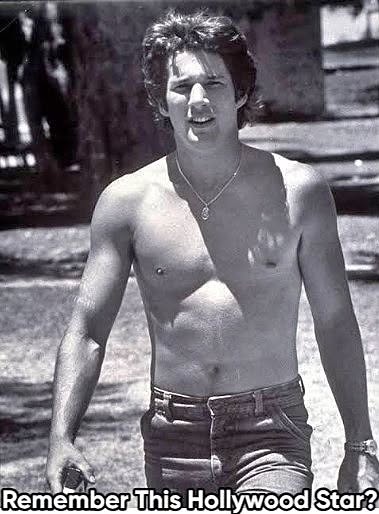
During the 1980s and 1990s, Hollywood introduced audiences to a generation of actors whose faces became almost inseparable from the movies of those decades. One particular leading man earned widespread recognition through romantic dramas and other memorable productions, becoming familiar to millions of moviegoers. His screen presence helped define an important period of mainstream cinema, while his performances remained in the memories of viewers long after the original theatrical releases.
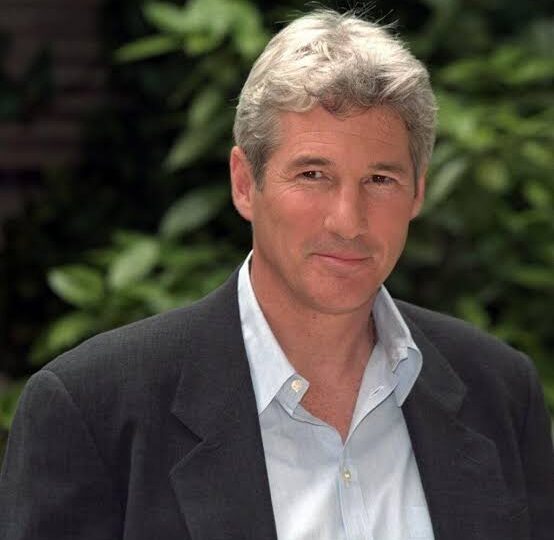
Decades have now passed since those early years, and the actor has naturally changed with age. Recent photographs may look different from the youthful images many fans remember, but that transformation is simply part of a life that continued beyond the movies preserved on screen. For longtime fans, looking at photographs from different stages of his life can produce an immediate sense of nostalgia. Earlier images capture a younger performer during a period when his career was becoming increasingly prominent.
His appearance from those years remains preserved in films, promotional photographs, interviews, and magazine features. Because those images never age, audiences can unconsciously continue thinking of a performer exactly as he looked decades earlier. Seeing a current photograph can therefore make the passage of time seem surprisingly dramatic. The actor has changed gradually, while the version preserved on film has remained permanently young.
That contrast is one of the unusual consequences of becoming famous through movies. Most people see friends and relatives frequently enough that aging happens almost unnoticed. A small change from one year to the next rarely seems remarkable. With celebrities, however, someone may remember a photograph from 30 years ago and then suddenly encounter a modern image. Decades of gradual change are compressed into a single comparison. The difference can appear much more dramatic than it would have if the viewer had watched the person age continuously.
The 1980s were an important period for Hollywood filmmaking and celebrity culture. Movie stars could become internationally recognizable through theatrical releases, television appearances, entertainment magazines, and extensive publicity campaigns. Romantic films and dramas were particularly effective at establishing leading actors because audiences spent so much time emotionally invested in their characters. A convincing performance could transform a relatively unfamiliar actor into someone moviegoers immediately recognized. For performers who maintained that success across several years, fame became closely connected with the cultural identity of the decade.
The actor described here became part of that tradition. His appeal as a leading man extended beyond physical appearance alone. Successful screen performances depend on timing, emotional expression, chemistry with co-stars, dialogue, and the ability to make fictional circumstances feel believable. Audiences often remember how a character made them feel long after they have forgotten individual scenes. When an actor repeatedly appears in emotionally memorable films, that connection can become especially strong. The performer eventually becomes part of the audience’s own memories.
The 1990s provided another chapter as Hollywood styles and audience preferences continued changing. Established performers had to compete with a new generation of actors while also adapting to different kinds of roles. Someone who had initially become famous as a youthful romantic lead could gradually begin playing more mature characters. This evolution is normal within a long acting career. Few performers continue playing exactly the same kind of role at every age.
That professional evolution often parallels physical aging. Hair can gradually turn gray or silver, facial lines become more noticeable, and the shape and texture of the face can change over time. These are ordinary biological processes experienced differently by every individual. Genetics, environment, lifestyle, and many other factors influence how aging appears. None of these visible changes alone provides reliable information about a person’s health.
This point is particularly important when discussing photographs of celebrities. Online posts sometimes present an older photograph beside a younger one and ask what “happened” to the person. In many cases, nothing extraordinary needs to have happened at all. Twenty or thirty years may simply separate the images. Aging itself explains why someone no longer looks identical to the person photographed decades earlier.
Lighting can also make comparisons misleading. A professionally produced publicity portrait may involve carefully selected lighting, lenses, grooming, makeup, wardrobe, and positioning. A modern candid photograph may have been taken outdoors or under completely different conditions. Comparing those two images as though they were identical photographic circumstances can exaggerate perceived differences. Camera technology has changed substantially as well.
Modern digital cameras can capture extraordinary amounts of detail. Older film photography, magazine printing, and television broadcasts often produced softer images. Today’s high-resolution photographs can reveal skin texture, individual hairs, and facial details that earlier images did not display as clearly. The technology surrounding celebrity photography has therefore changed alongside the celebrities themselves.
Fashion contributes another layer. Hairstyles associated with the 1980s and 1990s can immediately make a photograph feel younger or more distant. Clothing, suit styles, shirt collars, grooming preferences, and even eyebrow fashions change over time. When an actor adopts a more contemporary or relaxed style decades later, the contrast can seem larger. Part of what viewers interpret as personal transformation may actually reflect changing fashion.
For fans who grew up watching the actor, however, the emotional reaction often goes beyond appearance. Seeing him today can bring back memories of the first time they watched a particular movie. It may remind them of a theater they visited, a person they watched the film with, or a period of life associated with the story. Celebrity nostalgia often becomes intertwined with personal nostalgia. The actor’s changing appearance can therefore remind viewers of their own passage through time.
That connection explains why retrospective photographs remain so popular. They do more than show what a famous person once looked like. They allow audiences to revisit a cultural moment. A single portrait can bring back memories of music, clothing, movies, and entertainment from an entire decade. The celebrity becomes a visual link to that period.
Romantic dramas can create especially durable connections with audiences. Stories involving love, separation, commitment, difficult decisions, and reconciliation often remain relatable even when the films themselves become decades old. Viewers may return to them at different stages of life and interpret the characters differently. A performance first watched during adolescence may have another meaning when revisited in middle age. The movie stays the same while the viewer changes.
The actor changes as well. That creates an interesting relationship between film and reality. Pressing play on an old movie instantly restores the performer to the age he was when the scenes were recorded. The real person, meanwhile, has lived every year that passed afterward. Audiences can move between those two versions within minutes.
Few professions create such an extensive visual record of a person’s aging process. Actors can have photographs and moving images documenting several decades of adulthood. Interviews preserve their voices and mannerisms at different ages. Films preserve performances from different stages of their careers. Together, those materials create an unusually detailed public timeline.
This timeline should not be interpreted as evidence that youth represents the best or most important stage. A younger actor may have certain opportunities, while an older performer can bring decades of experience to different kinds of roles. Age can change what characters are believable without reducing someone’s ability to perform. Many actors find new professional possibilities as they grow older.
A romantic leading man, for example, may later move toward roles involving parents, mentors, professionals, authority figures, or complicated older characters. Those parts can demand a different kind of screen presence. Instead of attempting to recreate the performer he was decades earlier, an actor can allow his career to develop alongside his age. This creates continuity rather than decline.
Audiences can benefit from that evolution too. Viewers who originally discovered the performer while young may themselves have reached a different stage of life. They can therefore encounter the same actor in characters closer to their current age. The relationship between audience and performer develops over time.
That shared aging process is sometimes overlooked when recent celebrity photographs go viral. Commenters may express shock that a star looks older without acknowledging that the viewers themselves have aged during the same period. A movie from 1985 is now more than four decades removed from its original release. A performer who was young then could reasonably be a much older adult today. The calendar applies equally to celebrities and audiences.
There is nothing unusual about gray hair in this context. Hair follicles commonly produce less pigment as people age, leading to gray, silver, or white hair. The timing varies substantially because genetics play an important role. Some people begin graying relatively early, while others retain much of their original color considerably longer. Neither pattern automatically indicates anything about health.
Wrinkles and changes in skin texture are similarly ordinary. Skin changes with age as biological processes involving collagen, elasticity, fat distribution, and other structures evolve. Sun exposure and numerous other factors can influence the appearance of those changes. A photograph can show that someone looks older, but it cannot explain every biological or lifestyle factor involved.
Weight may change throughout adulthood as well. Again, photographs alone cannot determine why. Someone may gain or lose weight for countless ordinary reasons. It would be inappropriate to diagnose a health condition or speculate about medication based solely on appearance. Unless reliable information has been publicly disclosed, such conclusions should remain unmade.
The same applies to cosmetic procedures. People sometimes assume that every change in a celebrity’s face must result from surgery or injections. Photographs alone usually cannot establish that. Normal aging, makeup, facial expression, lighting, weight variation, dental work, camera angle, and image processing can all influence appearance. Without reliable evidence, cosmetic speculation should not be presented as fact.
A respectful before-and-now story can simply describe the passage of time. It does not need to claim that a celebrity has become “unrecognizable” or that something mysterious happened. In fact, longtime fans may still recognize familiar characteristics immediately. The eyes, smile, facial structure, expressions, or mannerisms may remain distinctive even after decades of aging.
Recognition is not based solely on smooth skin or dark hair. Human faces contain many patterns that remain relatively consistent. This is why someone can recognize an old friend after years apart even though both people have changed. Familiarity allows the brain to connect present features with earlier memories. Fans who followed a celebrity continuously may find this particularly easy.
A person’s voice can provide another powerful connection. Voices can change with age, but characteristic rhythms, accents, and speech patterns may remain familiar. Hearing a longtime actor speak can sometimes trigger recognition more strongly than seeing a photograph. Mannerisms and expressions work similarly. Identity is composed of far more than a youthful appearance.
The entertainment industry has not always handled aging particularly well. Hollywood has historically placed enormous emphasis on physical appearance, especially when marketing performers as romantic stars. That pressure can create unrealistic expectations for both celebrities and audiences. When an actor grows older naturally, some people react as though an explanation is required.
A healthier perspective recognizes aging as evidence of time lived rather than something that must be hidden. A person who has spent decades building a career will naturally carry those decades in their appearance. The alternative to aging is not permanent youth. It is simply not having the opportunity to experience those additional years.
This does not mean fans cannot enjoy old photographs. Nostalgia can be affectionate and positive. Seeing a favorite actor during the height of an earlier career can bring genuine enjoyment. The important distinction is between appreciating the past and treating the present as somehow unacceptable.
Both stages belong to the same person. The youthful Hollywood star existed, and the older individual exists today. Neither cancels the other. Film makes it possible for audiences to experience both whenever they choose.
Streaming services and digital media have made this especially noticeable. Younger viewers can discover movies released decades before they were born and become familiar with an actor’s younger appearance first. They may then search for the performer and encounter a current photograph immediately afterward. What took decades to unfold in reality can be experienced in minutes online.
For these younger audiences, the career timeline may feel almost reversed. They meet the fictional character first, learn about the star’s earlier fame second, and discover the present-day person last. Longtime fans experienced those stages gradually. Both groups can ultimately appreciate the same body of work from different perspectives.
Classic movies also provide historical context beyond the performers. The technology shown on screen, the cars, architecture, clothing, music, and social customs preserve elements of the period in which they were made. Actors exist inside that cultural snapshot. Returning to those films decades later can therefore feel like visiting another era.
A leading man from the 1980s or 1990s becomes part of that historical record. His appearance is connected with the fashions and filmmaking conventions of those years. Modern photographs show how both the individual and the surrounding culture have changed. The comparison can therefore be interesting without becoming judgmental.
A long acting career also reflects professional resilience. Entertainment is highly competitive, and popularity can change rapidly. New performers constantly enter the industry, while genres and audience tastes evolve. Remaining familiar to audiences across decades is therefore notable in itself. Even actors who work less frequently later in life may retain enormous cultural recognition because of earlier performances.
Some roles become permanently associated with the actors who played them. Viewers may struggle to imagine another performer in the same part because the original interpretation became so memorable. Those roles continue being watched long after the production itself has ended. In that sense, an actor’s younger screen presence remains culturally active even as the individual ages.
This is one reason the term “beloved star” can continue applying decades later. Public affection does not necessarily depend on constant new releases. A performer can remain important because earlier work continues finding audiences. Nostalgia and rediscovery keep those performances alive.
Recent photographs can then renew interest in the earlier career. Someone may see the actor today and decide to revisit an old movie. Another viewer may discover the performer for the first time. A simple current photograph can therefore connect multiple generations of audiences.
The comparison can also remind people how much the entertainment business itself has changed. During the actor’s early career, movie stars were often seen primarily through carefully controlled publicity photographs and scheduled interviews. Today, social media and smartphones can produce images almost anywhere. Public figures are photographed under circumstances earlier stars encountered far less frequently.
That change affects perceptions of appearance. Modern audiences see celebrities in airports, restaurants, streets, and other everyday environments rather than only under studio lighting. A candid image may therefore look dramatically different from a classic publicity portrait. That does not necessarily represent a dramatic physical transformation.
Expressions matter too. A smiling face can appear very different from the same face photographed mid-sentence or while concentrating. Lens choice and camera distance can alter facial proportions. Bright sunlight can emphasize shadows and lines. Comparing images requires more context than simply placing them beside one another.
For these reasons, responsible celebrity coverage should avoid treating appearance as evidence for claims it cannot support. It can say that someone has gray hair today or naturally looks older. It should not use those observations to invent illness, surgery, personal difficulties, or lifestyle changes. The photograph establishes appearance, not private history.
The more meaningful story is the passage of time itself. A person once seen as one of Hollywood’s younger leading men has now lived decades beyond that stage. His classic performances remain preserved, while his real life continued moving forward. Fans have had the unusual opportunity to see both.
There is something almost cinematic about that contrast. Movies create the illusion that characters exist forever at one particular moment. Reality does the opposite. People continuously change, even when millions remember them exactly as they appeared in a famous scene.
For longtime viewers, accepting both versions can deepen appreciation for a career. The younger performer represents ambition and the beginning of fame. Later photographs represent experience and longevity. The years connecting them contain far more than physical changes.
They may contain professional successes, disappointments, changing priorities, and countless private experiences that audiences know nothing about. Those unseen years should not be replaced with speculation. A public career provides only part of anyone’s life. Photographs provide even less.
That is why a simple transformation story should remain focused on what can actually be observed. The actor was a prominent leading man during an earlier period of Hollywood. Decades have passed. His appearance has naturally changed. His earlier films continue to preserve the younger version familiar to audiences.
Nothing more dramatic is required to make the comparison interesting. Time itself provides the story. The transformation from youth to later adulthood is universal, even if relatively few people have it documented across movie screens around the world.
Fans who remember those films may experience the photographs differently from casual observers. To them, the younger face may be connected with specific memories and emotions. The current face can therefore create an awareness not only of the actor’s age but of their own.
That realization can be surprisingly powerful. Entertainment accompanies people through different stages of life. A favorite film can remain unchanged while everything surrounding the viewer changes. Returning to it years later can reveal how much time has passed.
The actor’s transformation becomes part of that same experience. He changed while the audience changed. The movies remained in between, preserving the moment when their paths originally crossed.
Aging should therefore not be treated as a shocking conclusion to a celebrity story. It is the natural continuation of it. A long-lived public career gives audiences the rare ability to witness that continuation in detail.
The leading man remembered from decades ago still exists in the performances that made him famous. The older man seen today is not a different person or evidence that something went wrong. He is simply the same individual at another stage of life.
That perspective allows nostalgia without disrespect. Fans can celebrate the youthful roles they remember while also recognizing that nobody is expected to remain physically unchanged forever. Both appreciation and realism can exist together.
Ultimately, the most remarkable aspect may be how strongly a familiar face can connect different decades. One photograph recalls Hollywood’s past, while another belongs to the present. Between them lies an entire period of cultural and personal history.
For the millions of viewers who grew up watching this actor, seeing him today can therefore mean much more than noticing gray hair or an older face. It can recall movies, memories, relationships, and moments from their own lives. That emotional continuity explains why stars from earlier generations remain fascinating decades after their first major success.
Hollywood can preserve a young leading man forever on film, but real life continues beyond the closing credits. The actor has naturally grown older, just as the audiences who first watched him have done. His appearance today is another chapter rather than a contradiction of the one people remember.
Looking across those years offers a simple reminder: time changes every face, including the faces once projected larger than life onto movie screens. What remains are the performances, the memories they created, and the connection audiences continue to feel with the stars who helped define an era.

