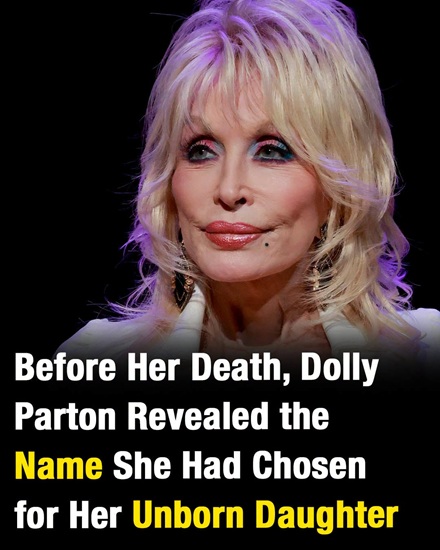
Dolly Parton and Carl Dean shared a marriage that lasted for nearly six decades and remained one of the most private relationships in the entertainment world. They married in 1966 and stayed together until Carl’s death in March 2025. While Dolly spent much of her life in the public eye, Carl preferred to remain away from fame and rarely appeared at major celebrity events. Their different lifestyles became an important part of how their marriage worked. Despite their long relationship, the couple never had children of their own.
Over the years, Dolly spoke openly about that part of her life. She explained that not having children gave her a level of freedom that allowed her to focus heavily on her career. Her work required extensive travel, recording sessions, concerts, television appearances, film projects and business responsibilities. Dolly believed that motherhood would likely have changed the choices she made and the amount of time she could devote to professional life. She did not present this as a universal rule for other women, but rather as a personal reflection on the way she knew she would have approached motherhood.
In a conversation with Oprah Winfrey in 2020, Dolly explained that the combination of not having children and having an independent husband allowed her to work with unusual flexibility. She believed that this freedom played a significant role in her success. Her comments suggested that she had accepted the path her life took rather than viewing it only through the things that never happened. She also connected that freedom with the charitable projects she later built for children.
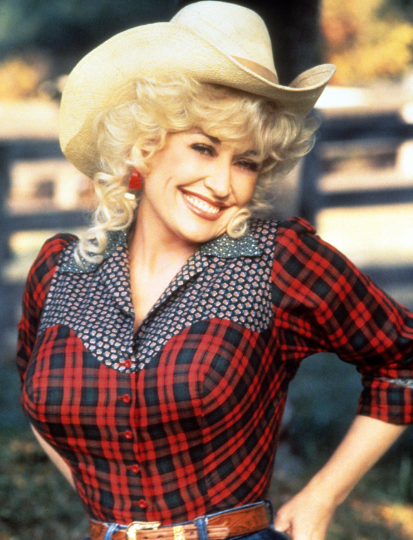
Years earlier, Dolly had spoken about how she and Carl imagined children when they were a young married couple. In a 2014 interview, she recalled wondering what their children might look like if they ever became parents. Carl was tall, while Dolly was much shorter, so they joked about which parent the children might resemble. They even thought about names. If they had had a daughter, Dolly said, they would have called her Carla.
That detail is important to describe accurately. Dolly was not revealing the name of a confirmed unborn daughter, nor was she describing a child she had lost during pregnancy. Carla was simply the name she and Carl had imagined using if they had ever welcomed a girl. Their conversation reflected the ordinary hopes and possibilities many newly married couples discuss when thinking about the future.
As the years passed, Dolly and Carl did not become parents. Dolly later said that she believed motherhood would have changed almost every part of her professional life. She thought she might have felt guilty spending long periods away from children while touring or working. Because of that, she believed she might eventually have stepped away from parts of her career if she had become a mother.
Her reflections were not filled only with regret. Dolly often spoke about accepting that her life had followed a different path. She believed that some of the things she was able to accomplish might not have happened if she had been raising children. In her mind, not becoming a mother gave her time and freedom that she later used in ways that benefited many other young people.
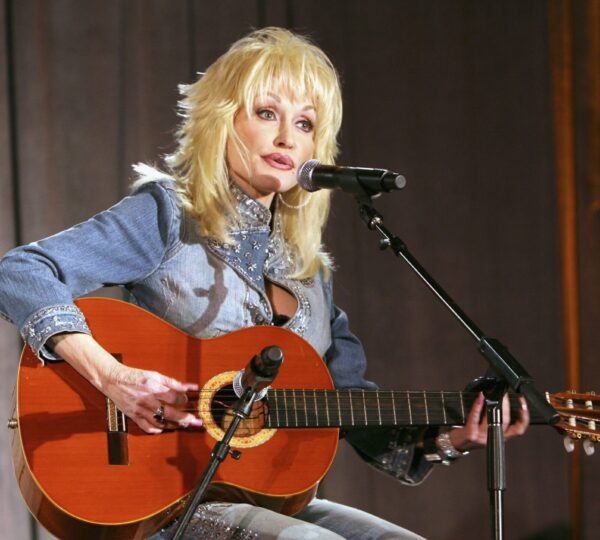
One of the clearest examples of that philosophy was Dolly Parton’s Imagination Library. She created the program in 1995 with the goal of sending free books to young children. The project began in the Tennessee area where she had grown up and was originally intended to support local families. Over time, it expanded dramatically and eventually reached children in several countries.
The program was inspired by Dolly’s father, Robert Lee Parton, who had never learned to read or write. Dolly frequently described him as extremely intelligent despite his lack of formal literacy. She believed that being unable to read had limited some of the opportunities available to him during his life. The Imagination Library became her way of honoring him while helping children develop an early relationship with books.
Dolly often said that her father’s reaction to the program meant more to her than many professional awards. She remembered how proud he became as the project grew. What started as a small initiative eventually developed into a global literacy effort that distributed hundreds of millions of books. For Dolly, that success connected her childhood memories with the opportunities she wanted future generations to have.
The Imagination Library sends age-appropriate books to registered children from birth through age five. The books arrive regularly, encouraging families to make reading part of everyday life. What began with a relatively small number of children eventually expanded to millions. By the later years of Dolly’s life, more than three million books were being sent each month.
This enormous reach became part of how Dolly understood her own relationship with children. She sometimes said that because she did not have children of her own, she was able to think of children more broadly as part of her purpose. The comment was not meant literally. Instead, it reflected her belief that the circumstances of her life gave her opportunities to support large numbers of young people.
Dolly’s extended family also remained important throughout her life. She grew up as one of twelve children, meaning family relationships had shaped her from childhood. Nieces, nephews and other younger relatives were part of her life even though she did not become a mother. She was also famously the godmother of Miley Cyrus, further connecting her to younger generations within the entertainment world.
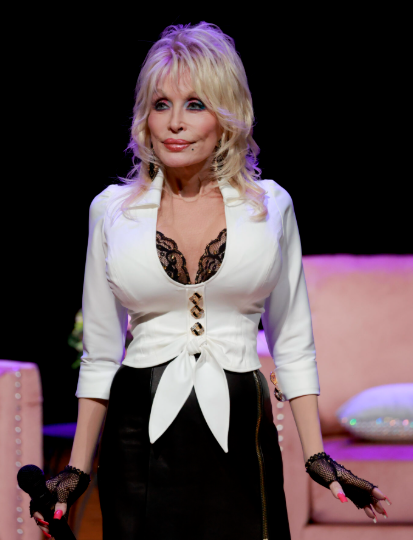
Her marriage to Carl Dean developed alongside all of these changes. They first met in Nashville shortly after Dolly moved there to pursue music professionally. At the time, neither could have known what her career would eventually become. Dolly was still trying to establish herself, while Carl had no interest in becoming part of the entertainment industry.
Their first meeting later became one of the most frequently repeated stories about their relationship. Carl noticed Dolly near a laundromat, and their connection developed quickly. Two years later, they married. Their wedding was small and private, which in many ways reflected the way Carl would continue to approach their relationship throughout the following decades.
As Dolly’s fame increased, Carl remained largely outside the spotlight. He rarely attended major entertainment events and generally preferred a private lifestyle. This sometimes caused public curiosity because Dolly was constantly photographed and interviewed while Carl was seldom seen. Dolly repeatedly explained, however, that this was simply how he wanted to live.
That independence appears to have helped their marriage endure. Dolly spent long periods traveling for work, while Carl maintained his own routines. They did not need to share every professional environment or public appearance. Dolly sometimes joked that their time apart may even have helped preserve the relationship.
Their marriage lasted through extraordinary changes in Dolly’s career. She became one of country music’s biggest stars, crossed into pop music, acted in successful films and built major business ventures. Carl remained a consistent private presence behind those achievements. Even though audiences rarely saw him, Dolly regularly described him as central to her personal life.
The couple never stopped being asked about children. Because Dolly was so affectionate toward young people, interviewers frequently questioned why she and Carl had not become parents. Her answers became more reflective as she got older. Rather than presenting a single explanation, she spoke about career, freedom, circumstance and her own sense that life had simply unfolded differently.
Her comment about Carla offers one of the clearest glimpses of that earlier period. It shows that Dolly and Carl did imagine parenthood. They were not indifferent to the idea. They talked about what children might look like and even selected a possible name. Their eventual life without children came later.
This is why it would be inaccurate to describe Dolly as having revealed a secret daughter or an unborn child named Carla. Nothing in her comments supports such a claim. The name belonged to an imagined possibility, not to a child who had existed. Keeping that distinction clear preserves the real meaning of the story.
The imagined daughter also shows how differently life can unfold from early expectations. When Dolly and Carl were young, they had no way of knowing how much fame, work and responsibility would eventually fill their lives. They could imagine several possible futures. Only one of those futures actually became reality.
The life they did build was extraordinary. Dolly wrote and recorded songs that became famous around the world. “Jolene,” “9 to 5,” “Coat of Many Colors” and “I Will Always Love You” became enduring parts of her musical legacy. Her work crossed genres and generations, allowing her influence to continue long after many of the songs were first released.
Her songwriting remained especially important to her identity. Although many people knew her for her appearance, personality and stage presence, Dolly consistently considered songwriting one of the foundations of her career. She wrote from personal experience, family history and emotional observation. This helped her songs remain relatable even as her celebrity grew.
Film became another major part of her professional life. Her appearance in “9 to 5” helped establish her as an actress as well as a singer. The movie and its title song introduced her to audiences who may not have followed country music closely. Additional film and television projects followed, further expanding her public image.
Business also became increasingly important. Dolly developed Dollywood into a major entertainment and tourism destination in Tennessee. The park was closely connected to the region where she grew up. It allowed her professional success to remain tied to the communities and landscapes that had influenced her childhood.
Philanthropy eventually became just as central to her reputation as music. The Imagination Library was the largest example, but Dolly also supported disaster relief, education, scholarships and medical research. Her approach to giving was often straightforward. When she saw a need and believed she could help, she tried to respond.
That philosophy reflected the values she associated with her family. Dolly grew up with limited financial resources, but she frequently described her childhood home as rich in affection, music and connection. She did not forget those experiences after becoming wealthy. Instead, they became part of the way she explained both her ambition and her desire to help others.
The Imagination Library brought several parts of her life together. It connected her love of children, memories of her father and the financial resources created by her career. A project that began as a tribute to one man who could not read eventually placed books in the hands of millions of children.
This gave Dolly a different way of thinking about motherhood and legacy. She did not have biological descendants, but she still built something designed to influence future generations. Millions of families interacted with her work without ever attending a concert or watching one of her films. For those families, Dolly Parton became connected with a child’s first books.
Her views about not having children therefore became more nuanced over time. She could acknowledge that she and Carl once imagined a daughter while also accepting that parenthood did not become part of their lives. She could say she believed she would have been a devoted mother while recognizing that her professional path might then have looked completely different.
There is no contradiction in those ideas. People can imagine one life and eventually find meaning in another. Dolly appeared to understand her own experience in exactly that way. She did not deny that she and Carl once dreamed about children, but she also did not spend later life suggesting that everything would have been better if those dreams had happened.
Instead, she frequently emphasized what became possible because circumstances were different. She could travel extensively. She could work long hours. She could commit to projects that demanded years of attention. She could also direct substantial resources toward charitable initiatives.
That interpretation does not mean every person must choose between career and family. Dolly was speaking about herself. She believed she knew how seriously she would have taken motherhood and how difficult separation from children would have been for her. Her comments were personal rather than prescriptive.
Carl’s independence made that professional freedom easier. Dolly did not need him to accompany her everywhere or share the demands of celebrity life. He had his own preferences and remained comfortable outside fame. Their ability to function as two independent people appears to have supported their relationship.
When Carl died in March 2025 at the age of 82, Dolly publicly acknowledged the enormous loss. They had spent almost sixty years married and even longer knowing each other. His death ended a partnership that had lasted through nearly every phase of her adult life.
Dolly continued to work afterward, but the loss clearly affected her. She honored Carl through music and public statements while maintaining the privacy that had always surrounded much of their relationship. Even in grief, she respected his preference to remain outside the celebrity spotlight.
About a year and a half later, Dolly herself died on August 25, 2026. She was 80 years old. Her death followed a brief battle with cancer and prompted tributes from around the world. Musicians, actors, public figures and longtime fans reflected on her extraordinary career and philanthropy.
Her passing also caused many old interviews to resurface. People returned to stories about her childhood, marriage, fashion, career decisions and personal beliefs. The interview mentioning Carla became one of those stories because it revealed such a private and relatable moment between Dolly and Carl.
The detail is moving precisely because it is so simple. Long before global fame, they were two young people imagining a possible future together. They wondered whether children would resemble Carl or Dolly. They selected a name for a daughter they might someday have.
That daughter never became part of their real life. Instead, the marriage itself became the enduring relationship at the center of Dolly’s personal world. Carl remained with her through decades of enormous success. Their partnership survived fame, travel and the pressures that often accompany entertainment careers.
Their child-free life also gave Dolly space to build projects that reached young people in other ways. The Imagination Library is perhaps the strongest example of how she turned personal circumstances into public impact. What began as a tribute to her father became one of the most significant achievements associated with her name.
The program’s growth was extraordinary. Millions of books were mailed to children each month. More than 300 million books were eventually distributed. The initiative expanded beyond the United States and reached families internationally.
That scale helps explain why Dolly often spoke about the program with such pride. Awards and music sales were important, but helping children become comfortable with books connected to something deeply personal. She understood what illiteracy had meant for her father. The program allowed her to respond to that memory with something constructive.
Dolly also recognized that books can become part of family relationships. A child receiving a book creates an opportunity for parents, grandparents or caregivers to read together. The effect is therefore not limited only to the individual child. The program encourages routines that can involve entire households.
This is one reason the project became such an important part of her legacy. It represents something continuing after her death. Music can remain through recordings, and movies can remain through film. The Imagination Library continues through physical books arriving in homes.
The story of Carla fits naturally within that broader legacy when it is presented correctly. It shows that Dolly had once considered traditional motherhood. It also shows that her eventual life developed in another direction. The important point is not that one path was better than the other.
The point is that Dolly found meaning in the path she actually lived. She became comfortable recognizing that children did not become part of her marriage in the way she and Carl once imagined. Instead, she found other ways to support them.
Her relationship with younger relatives and godchildren also helped make family meaningful in ways beyond biological motherhood. Dolly came from a huge family herself and understood life within an extended network of siblings and relatives. Those connections remained part of her identity.
Even her public persona reflected a kind of warmth that children often responded to. The bright costumes, humor and exaggerated style made Dolly approachable to audiences across generations. She could perform for adults while still remaining recognizable and engaging to younger viewers.
Her philanthropic work gave that warmth a practical form. Rather than only saying she cared about children, she built an organization that provided them with something tangible. Each book represented another opportunity for a child to encounter reading early in life.
The fact that the project honored her father made it even more personal. Dolly repeatedly described Robert Lee Parton as one of the smartest men she knew despite his lack of literacy. She wanted children to have opportunities he had missed. That motivation remained at the heart of the program as it expanded.
For Dolly, this became one of the clearest examples of turning hardship into something useful. Her father’s limited access to education could not be changed retroactively. But his experience could inspire a program that helped other families.
This pattern appeared throughout her life. Difficult childhood circumstances became songs. Professional sacrifices became opportunities. Personal choices became charitable work. Dolly often transformed experiences that might have been framed only as losses into sources of creativity or purpose.
The decision or circumstance of not having children became part of that pattern. She acknowledged what parenthood might have meant while also recognizing what her freedom allowed her to do. Her reflections remained remarkably consistent in that respect.
She also maintained a sense of humor about the subject. Dolly was rarely defensive when discussing personal choices. She tended to respond with a mixture of sincerity and lightness, making difficult topics easier to discuss without diminishing their importance.
That attitude helped audiences connect with her. She could speak openly about sacrifice without sounding bitter. She could acknowledge alternate possibilities without presenting herself as trapped by regret. This balance became one of the qualities that made her interviews memorable.
The same balance should be preserved when retelling the story today. There is no need to turn Carla into a secret tragedy. The real story is already compelling. Dolly and Carl imagined a daughter, chose a name and then lived a different life.
That different life lasted almost sixty years of marriage. It included enormous professional success and a degree of privacy that is rare among famous couples. Carl stayed mostly out of public view, while Dolly became globally recognizable.
It also included extraordinary public service. The Imagination Library reached generations of children. Other charitable initiatives supported communities, education and medical research. Dolly’s impact therefore extended far beyond entertainment.
This broader context explains why her comments about children deserve more than a sensational headline. They were not simply an admission that she had wanted a daughter. They were part of a much larger reflection on choices, time, family and purpose.
Her career required sacrifices, as she repeatedly acknowledged. Long periods away from home, relentless schedules and constant public attention all came with success. Dolly believed that motherhood would have added another responsibility she would have taken extremely seriously.
Whether that would truly have ended her career can never be known. It was her own interpretation of the life she might have lived. What is known is that she did not become a mother and that she used the freedom available to her to build an exceptional professional and philanthropic legacy.
Carl’s presence gave that life continuity. He knew Dolly before much of the fame arrived and remained with her through nearly all of it. Their imagined daughter Carla never became part of their family, but the marriage itself endured for decades.
After both Carl and Dolly were gone, the resurfaced interview became especially poignant. It offered a glimpse of their younger selves before the world knew how their story would unfold. The two people imagining children at the beginning of their marriage could not have known where life would eventually take them.
They also could not have known that millions of children around the world would one day receive books because of Dolly’s work. That outcome was far removed from the future they were imagining at the time.
In that sense, the Carla story is really a story about possibility. Young couples often imagine futures that never happen exactly as expected. Names are chosen, plans are discussed and different lives are considered. Time eventually selects one path.
For Dolly and Carl, that path did not include biological children. It included nearly six decades of marriage, a world-changing entertainment career and a literacy program that became part of millions of childhoods.
That is the more accurate way to remember the resurfaced interview. Dolly did not reveal a hidden daughter. She revealed the name she and Carl once imagined giving a daughter if they had one.
The difference may sound small, but it matters. Accuracy preserves the meaning of Dolly’s own words and prevents a touching personal memory from becoming misinformation.
Her comments also show that she had reached peace with how her life unfolded. She believed another path might have made her happy in a different way. But she also recognized the enormous opportunities created by the life she actually lived.
Those opportunities produced a legacy far larger than fame alone. Her songs reached generations. Her performances became part of popular culture. Her businesses created jobs and tourism. Her philanthropy delivered books directly to children.
The Imagination Library may therefore provide the most meaningful final context for the story about Carla. Dolly once imagined one daughter. Life gave her no biological children, but her work eventually connected her with millions of them.
That does not mean those children replaced the family she and Carl once imagined. It simply shows how she found another way to express care and purpose.
Dolly Parton’s story was full of moments like that. She took what life gave her and found ways to turn it into something larger. Poverty became songwriting material. A father who could not read inspired a literacy movement. A life without children created room for projects serving young families around the world.
Her marriage remained the quiet foundation beneath much of that work. Carl Dean stayed largely invisible to the public, but Dolly never treated him as insignificant. She spoke about him with affection and credited their independence with helping the relationship survive.
When Carl died, Dolly lost the person who had shared nearly her entire adult life. When Dolly died the following year, their long relationship became part of the legacy people revisited alongside her music and philanthropy.
The name Carla is now one small detail within that much larger story. It is a reminder that behind the celebrity persona were ordinary conversations about family and the future.
Dolly and Carl never had the daughter they imagined. But they did have decades together. And Dolly used those decades to create a body of work and charitable legacy that reached far beyond what either of them could have predicted when they first talked about becoming parents.
That is why the most accurate conclusion is also the most meaningful one. Carla was not an unborn daughter whose existence had been hidden from the public. She was the name Dolly and Carl had once chosen for a possible daughter.
Their real life followed another path.
And Dolly Parton ultimately found purpose in that path, building a legacy that continues through music, memories, philanthropy and millions of books placed into the hands of children around the world.
