
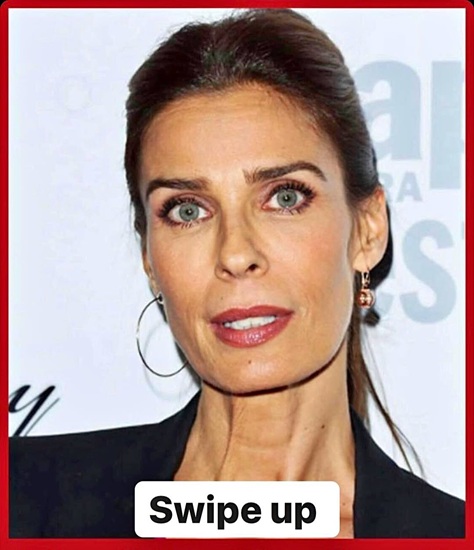
Kristian Alfonso has enjoyed a long and varied career in American entertainment, but to generations of television viewers she remains best known as Hope Williams Brady on Days of Our Lives. She first stepped into the role in 1983 and eventually became one of the performers most closely associated with the long-running daytime drama. Over the decades, audiences watched Hope experience romance, marriage, motherhood, adventure, heartbreak, separation and reunion.
Alfonso’s connection with the character became so strong that even after periods away from the program, her name remained closely linked with Salem. Yet her life before television was already filled with ambition, unexpected changes and remarkable opportunities. Born Kristian-Joy Alfonso on September 5, 1963, in Brockton, Massachusetts, Alfonso developed an interest in athletics when she was still very young.
Her family background includes Italian heritage, something she has discussed proudly over the years. Long before acting became part of her life, she devoted herself to skating and dance and showed considerable promise as a young competitor. She won a gold medal in a junior Olympic figure-skating competition and appeared to have a promising future in the sport. At that point, few people could have predicted that television rather than competitive skating would eventually make her internationally recognizable.
Her athletic plans changed dramatically following a tobogganing accident that caused serious injuries. The accident forced Alfonso to reconsider a future that had previously seemed centered on skating. For a young athlete who had invested substantial time and effort in training, such a change could easily have ended her ambitions. Instead, Alfonso eventually found another direction. The setback became one of several moments in her life when an unexpected event pushed her toward an entirely different opportunity.
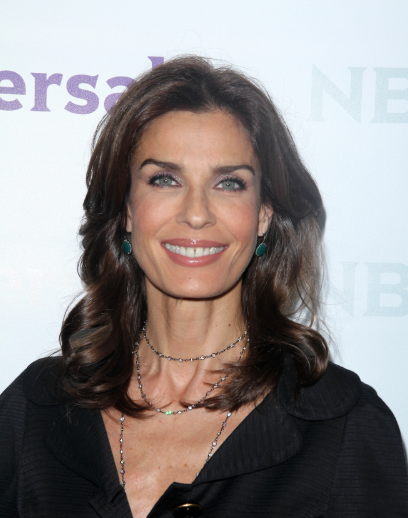
Modeling soon emerged as that new opportunity. Alfonso signed with Wilhelmina Models and began working professionally while she was still a teenager. Her appearance in fashion publications quickly brought her attention within the industry. Biographical accounts of her early career credit her with appearing on dozens of magazine covers as a teenager, including prominent fashion publications. She was also featured on the cover of Seventeen in 1979. What had begun as an alternative to competitive athletics was becoming a successful career of its own.
The modeling industry introduced Alfonso to cameras, professional productions and the broader entertainment business, but acting was not initially the career she had envisioned for herself. That changed when opportunities in television began appearing. Her early acting work included the 1981 television movie The Star Maker, in which she appeared with established Hollywood actor Rock Hudson. The project provided Alfonso with valuable experience in front of a different kind of camera and marked an important transition from fashion modeling to dramatic performance.
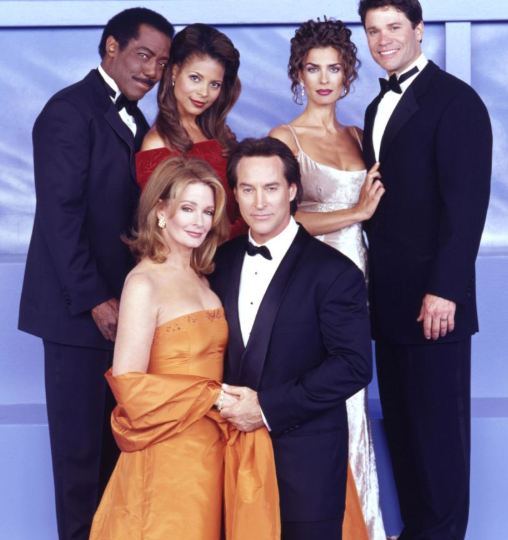
Only a few years later, Alfonso received the opportunity that would transform her career. In 1983, she joined Days of Our Lives as Hope Williams. The character already belonged to one of Salem’s important fictional families, and Alfonso quickly became a prominent presence on the program. She was still a young performer when she entered daytime television, but Hope would eventually become a character she portrayed across several decades and different stages of her own life.
One of the defining elements of Hope’s story was her relationship with Bo Brady, portrayed by Peter Reckell. Together, Bo and Hope developed into one of the most recognizable romantic couples in the history of Days of Our Lives. Their relationship included elaborate adventures, emotional separations, weddings, family struggles and memorable reunions. Viewers became deeply invested in their story, helping turn the pair into what daytime television audiences commonly describe as a “supercouple.”
Alfonso and Reckell’s work together became an important part of the show’s identity during several eras. Their characters could be romantic and adventurous while also confronting the complicated family situations typical of daytime drama. As years passed, Bo and Hope accumulated a fictional history that newer television couples rarely have enough time to develop. Viewers who first encountered them as young characters were able to continue following their lives many years later.
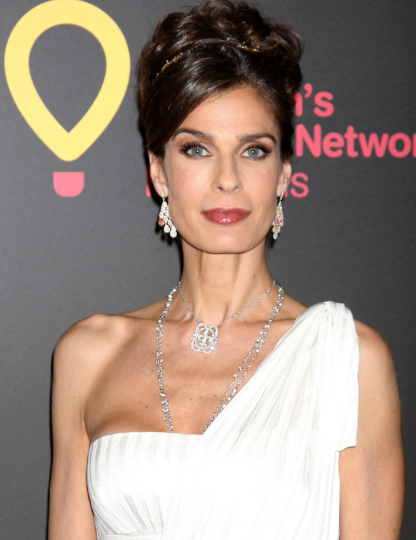
Recognition for Alfonso’s work arrived relatively early. She received a Daytime Emmy nomination in 1985 in the category then known as Outstanding Ingenue in a Drama Series. She later received additional recognition from organizations covering daytime television, including a Soap Opera Digest Award for Hottest Female Star in 1999. Alfonso and Reckell were also honored together with a fan-voted Favorite Couple award connected with the Daytime Emmys in 2002, reflecting the enduring popularity of Bo and Hope.
Despite Hope’s popularity, Alfonso did not spend every stage of her career on Days of Our Lives. She and Reckell departed the series in 1987, allowing Alfonso to explore opportunities beyond Salem. Her decision demonstrated that she was interested in developing a broader acting career rather than relying exclusively on one television character. During her time away, she appeared in other productions and experienced a different side of the television industry.
Among her notable roles outside Days was Pilar Ortega on the prime-time drama Falcon Crest. Alfonso appeared on the series from 1988 to 1990, giving viewers an opportunity to see her portray someone very different from Hope Brady. She also accumulated other television and film credits over the years. Although none became as closely associated with her as Hope, these projects remain an important reminder that her professional résumé extends beyond daytime television.
Alfonso briefly returned to Days of Our Lives in 1990 before making a much more substantial comeback in 1994. That later return began another long chapter of her association with the program. Hope’s storyline continued evolving, and Alfonso once again became a familiar presence for viewers. By then, the character carried years of fictional history, giving the writers opportunities to explore both new stories and relationships established during Hope’s earlier years.
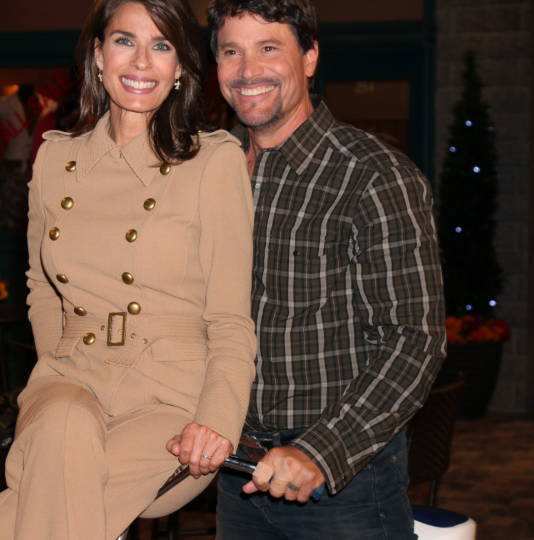
Her longevity on the program eventually became remarkable in itself. Television careers can be unpredictable, and characters regularly disappear as programs change direction. Alfonso nevertheless continued portraying Hope through different producers, writers and eras of daytime television. New characters arrived, longtime performers departed and viewing habits changed dramatically, but Hope remained an important part of the show’s fictional community.
While Alfonso’s professional career continued developing, her personal life also changed. She married Simon Macauley in 1987, and the couple welcomed their son Gino before eventually divorcing in 1991. Alfonso later married Danny Daggenhurst in 2001. They have a son named Jack, and Alfonso is also stepmother to Daggenhurst’s son Spartan. Over the years, Alfonso has spoken publicly about the importance she places on her responsibilities as a mother and wife.
Family has frequently appeared in Alfonso’s interviews as a priority separate from the glamorous image associated with television. Being recognizable to millions of viewers did not change her desire to maintain a meaningful life away from the cameras. Her comments about motherhood and marriage have helped audiences understand that her professional identity represents only one part of her life. The distinction is particularly significant for someone who has portrayed the same fictional character for such an extraordinary amount of time.
The similarities between an actor and a longtime character can sometimes become blurred in the minds of audiences. Hope experienced marriages, children, family tragedies and dramatic adventures, but those events belonged to the fictional world of Days of Our Lives. Alfonso’s private life followed its own path. Maintaining that distinction is important when discussing performers whose characters have become familiar enough to feel almost like real people to longtime viewers.
By 2020, Alfonso had spent a substantial portion of her adult life connected with Days of Our Lives. That summer, she announced that she would not return to the series when production resumed following the COVID-19 shutdown. The announcement surprised many longtime viewers because Hope had been such a central presence on the program. Alfonso explained that she had already filmed her final scenes before production stopped and had decided it was time to begin another chapter.
In her public statement at the time, Alfonso expressed appreciation for the people who had made her long career on the show possible. She thanked NBC, the late producer Betty Corday, members of the cast and crew and the loyal audience that had followed Hope’s adventures for decades. Rather than presenting the departure negatively, she described feeling grateful for the opportunity to have been welcomed into viewers’ homes for so many years.
Alfonso later provided additional context about the circumstances behind her decision. She explained that executive producer Ken Corday had discussed taking Hope away from the canvas for several months before bringing her back with a new storyline. Alfonso said the proposed direction helped convince her that the moment had arrived to leave. After decades of playing one character, she decided that she wanted the freedom to explore what might come next professionally.
Her departure attracted considerable attention because it initially appeared to close one of the longest chapters in modern daytime television. Hope Brady had been part of Alfonso’s life since she was a young actress, with only certain periods of absence. Leaving therefore meant more than finishing an ordinary television job. It represented a major transition for both the actress and viewers who had associated her with Salem since the 1980s.
Alfonso did not stop acting after leaving the regular series. She appeared in other television projects, including work associated with Hallmark’s Chronicle Mysteries and Lifetime adaptations inspired by the novels of V.C. Andrews. These appearances allowed her to continue exploring characters outside Hope Brady. They also demonstrated that leaving Days of Our Lives was not the same as retiring from acting.
Interestingly, what initially looked like a permanent farewell to Hope eventually became another temporary separation. In 2022, Alfonso returned to the role in Days of Our Lives: Beyond Salem, a streaming spinoff connected with the original series. Peter Reckell also returned as Bo, creating another opportunity for the longtime screen partners to revisit the characters whose relationship had fascinated audiences for decades.
The reunion demonstrated the continuing appeal of Bo and Hope. Television had changed enormously since Alfonso and Reckell first worked together in the 1980s, yet viewers remained interested in their characters. The fact that their story could continue in a streaming production showed how established television franchises can adapt while maintaining connections with their history. Alfonso’s return also made clear that her 2020 departure had not permanently closed the door on Hope.
Additional appearances followed, keeping Alfonso connected with the larger Days of Our Lives universe. Her later involvement became particularly meaningful when she returned for episodes surrounding the funeral of Doug Williams. Those episodes honored the character following the death of Bill Hayes, the beloved actor who portrayed Doug for decades. Hope’s family connection to Doug made Alfonso’s participation especially appropriate within the story.
Such returns demonstrate the unusual relationships that can develop among performers, characters and audiences in long-running daytime dramas. Actors may work together for decades, creating fictional families that span generations. When a veteran performer dies or retires, the loss can affect both colleagues and viewers who have followed the program for years. Bringing familiar characters back can provide continuity while recognizing the history shared by the cast and audience.
Alfonso’s career also provides an interesting example of resilience. Her earliest professional ambition was not acting at all. Competitive skating appeared to offer a promising future until an accident changed those plans. Rather than allowing the setback to determine everything that followed, she moved toward modeling. Modeling eventually introduced opportunities in acting, and acting led to the role that would define much of her professional career.
This does not mean that every setback automatically creates a better opportunity, nor should Alfonso’s experience be reduced to a simple inspirational formula. Her success required circumstances, opportunities and professional work that cannot be duplicated exactly. Still, the progression of her career illustrates how dramatically a person’s plans can change over time. The young athlete who once focused on skating ultimately became known internationally for television instead.
Her modeling years remain another significant part of the story. Alfonso achieved professional success at an unusually young age and appeared in widely recognized publications. Working as a model exposed her to an industry in which appearance, presentation and camera awareness were essential. Those experiences were different from acting, but they likely made the environment of professional productions more familiar when television opportunities arrived.
Once she began acting, Alfonso had to develop skills that went beyond modeling. Daytime television can involve demanding production schedules and large amounts of dialogue. Actors frequently have limited preparation time compared with some prime-time television and film productions. Remaining part of a soap opera for years therefore requires consistency, professionalism and the ability to adapt as stories and characters change.
Hope herself changed enormously between Alfonso’s first appearance and her later returns. The young Hope audiences met in the early 1980s eventually became a wife, mother and experienced member of Salem’s community. Her relationship with Bo likewise developed far beyond a simple television romance. The characters faced extraordinary fictional circumstances, yet the emotional connection between them remained the foundation of their popularity.
That longevity allowed Alfonso to portray experiences rarely available to performers working on shorter television programs. Most scripted series last only a limited number of seasons, meaning actors may portray a character for several years at most. Soap operas operate differently. A performer can return to the same role across decades, allowing audiences to watch both the character and actor mature in real time.
The entertainment industry also transformed dramatically during Alfonso’s years as Hope. When she joined Days of Our Lives in 1983, viewers primarily watched television according to network schedules. Streaming services, social media and on-demand entertainment did not exist in their modern forms. Decades later, Days of Our Lives moved from NBC’s traditional daytime schedule to Peacock, demonstrating just how much the television landscape had changed.
Alfonso therefore worked through several generations of television production and distribution. Her career began during an era when print magazines and broadcast networks held enormous influence. It continued through the growth of cable television, digital media and eventually streaming platforms. Despite those changes, viewers’ attachment to familiar characters remained powerful enough to support the return of Bo and Hope years after their earliest stories.
Public attention surrounding Alfonso has not always focused exclusively on her acting. Like many women who have spent decades in entertainment, she has occasionally faced speculation about her appearance and aging. Such speculation should be treated carefully. Photographs alone cannot reliably establish whether someone has undergone a particular cosmetic or medical procedure, and unsupported assumptions should not be presented as factual information.
Alfonso herself has previously discussed her approach to aging. In an interview reported by The Daily Telegraph in 2014, she spoke about wanting to age naturally and expressed reluctance about cosmetic procedures. She mentioned wanting her children and future grandchildren to recognize her. Her own statements provide appropriate context for discussing the subject without turning speculation about her appearance into unverified claims.
The same caution applies to online claims concerning celebrity finances. Websites sometimes publish specific estimates of an actor’s net worth or supposed salary per television episode. Unless such information is supported by contracts, financial disclosures or reliable reporting, those figures should be treated as estimates rather than established facts. Alfonso’s professional accomplishments can be discussed accurately without assigning an uncertain dollar figure to her career.
What can be documented is a career extending across several areas of entertainment. Alfonso progressed from competitive skating to modeling, then from modeling to television and film. She became a major daytime television personality, worked in prime-time programming and later continued acting after leaving her longtime series. She also returned to Hope Brady when circumstances made another chapter possible.
Her relationship with Days of Our Lives remains especially significant because relatively few actors become so closely identified with one character over such a long period. Hope was not merely a short-lived role that happened to become popular. She became part of the show’s history, with relationships connecting her to numerous other major characters and families within Salem.
For fans who began watching in the 1980s, Alfonso’s appearances can evoke memories of an earlier era of daytime television. Younger viewers may know Hope through later storylines or streaming episodes. That multigenerational familiarity helps explain why announcements about Alfonso returning to the series continue to attract attention. Her character represents both an active part of the fictional story and a connection with the program’s past.
Peter Reckell’s Bo remains central to that legacy as well. The actors’ professional partnership helped create a television relationship that audiences remembered even during long periods when one or both characters were absent. Their popularity demonstrates how successful fictional relationships depend not only on writing but also on the performers’ ability to make viewers emotionally invested in the characters.
Alfonso’s story is therefore broader than a conventional account of television fame. Before Hope Brady existed in her professional life, Alfonso had already experienced the disappointment of losing one potential career and the excitement of succeeding in another. After becoming famous through acting, she repeatedly made decisions that took her away from the role that offered the greatest recognition. Some departures were temporary, while others initially appeared permanent.
Through all those changes, Alfonso continued returning to creative work. Her career has never followed a perfectly straight line, and that is precisely what makes it interesting. Athletic competition, modeling, television movies, daytime drama, prime-time television and streaming productions all became parts of the same professional journey.
More than four decades after her original debut as Hope, Kristian Alfonso remains an important figure in the history of Days of Our Lives. Her performances contributed to one of daytime television’s most enduring romantic partnerships, while her repeated departures and returns became part of the show’s evolving history. Her association with Hope is likely to remain the role for which she is most widely remembered.
At the same time, reducing Alfonso entirely to Hope Brady would overlook much of what came before and after that breakthrough. She was a young athlete whose original plans changed because of an injury, a teenage model who appeared in major publications and an actress who successfully moved between different television productions. She also built a family life while maintaining a career that stretched across several decades.
Her journey demonstrates how unpredictable a career in entertainment can be. One opportunity can disappear while another unexpectedly emerges. A role expected to be only one stage of a career can ultimately become a lifelong professional association. A departure that appears permanent can eventually become another reunion. Alfonso’s story contains all of those turns.
For longtime viewers, the emotional attachment to Hope Brady remains understandable. Television characters who appear regularly for decades can become connected with particular periods of viewers’ own lives. Audiences may remember watching Bo and Hope when they were younger, sharing the program with parents or grandparents, and then seeing the characters return many years later. That continuity is one of the qualities that makes long-running daytime television unusual.
Kristian Alfonso’s enduring place in that history was built through decades of work rather than a single moment of fame. From skating and modeling to television stardom and later returns to Salem, her professional life has continually evolved. Hope Brady remains at the center of her public legacy, but the path that brought Alfonso to the role—and repeatedly brought her back—is equally noteworthy.
Her career ultimately tells a story of adaptation, longevity and change. The young skater from Massachusetts could hardly have known that an unexpected shift in direction would eventually lead to decades on television. Yet modeling opened one door, acting opened another, and Days of Our Lives provided a character that audiences continued caring about long after Alfonso’s first appearance in 1983.
Today, her history with the series spans multiple generations of viewers and several eras of the television industry. That achievement does not require exaggerated claims about her wealth, appearance or personal life to make it compelling. The documented story itself is substantial: a promising young athlete became a successful model, moved unexpectedly into acting and ultimately created one of the most recognizable characters associated with American daytime television.
For Kristian Alfonso, Hope Brady became far more than another entry on an acting résumé. The character followed her through decades of professional and personal change and repeatedly brought her back into contact with an audience that remembered the earliest chapters of the story. Alfonso’s willingness to leave, explore new opportunities and later

