
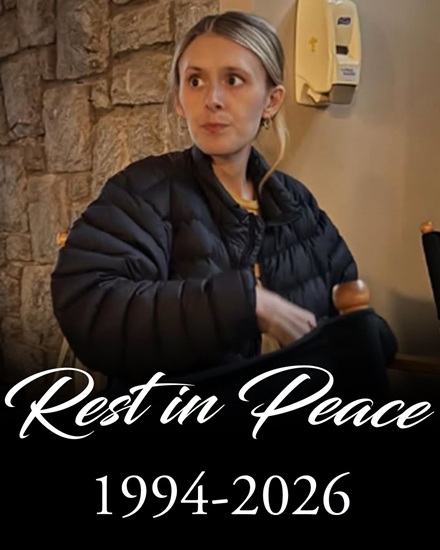
Television writer and producer Jesikah Suggs, recognized for her work on Netflix’s My Life with the Walter Boys, died on August 18, 2026, at the age of 32. Her family confirmed that she died at her home in Studio City, California. Suggs had been diagnosed with breast cancer when she was 24 and lived with the disease for approximately eight years. During that time, she continued developing her career in television and became an increasingly important member of the creative team behind the Netflix series.
Her death came while she was still actively involved in television production and preparing work connected with the show’s upcoming fourth season. The loss has prompted tributes from relatives, colleagues and viewers who became familiar with the stories she helped bring to the screen. Suggs was born on March 2, 1994, in Dallas, Texas. She later attended Baylor University, where she studied film before moving to Los Angeles to pursue opportunities in the entertainment industry.
Like many people beginning careers in television, she started with entry-level positions that allowed her to learn how productions worked behind the scenes. One of her early experiences included an internship connected with Big Brother. She later became an assistant to writer and producer Jason Katims, whose television work includes Parenthood. These early jobs helped Suggs gain experience in professional writers’ rooms and production environments before she began receiving writing and producing responsibilities of her own.
Her career developed steadily rather than appearing overnight. Working as an assistant gave her the opportunity to observe how experienced television creators developed stories, structured episodes and collaborated with production teams. Over time, she moved toward more direct creative work. Her credits eventually expanded to include writing, story editing and producing. Those roles placed her among the many professionals responsible for shaping television long before audiences see a finished episode. By her early thirties, Suggs had already progressed from learning the industry through internships and assistant jobs to helping guide an established Netflix drama.
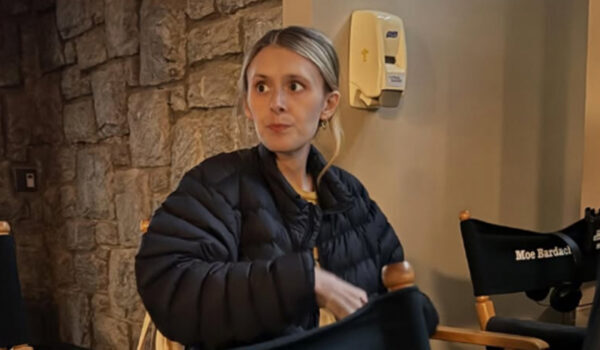
At the same time, Suggs was dealing with a serious health condition. She was diagnosed with breast cancer at 24, according to her family and reports published after her death. Her treatment included a double mastectomy, chemotherapy and radiation. These are significant medical treatments that can involve long periods of recovery and numerous side effects. Two years after her initial diagnosis, her family said that the cancer had metastasized. That meant the disease had spread beyond the place where it originally developed and required continued treatment and medical care.
Despite those circumstances, Suggs continued working in television. Her family emphasized that she did not want cancer to become the only way people described her life. Her sister Liz Suggs, also a writer and producer, remembered Jesikah as someone who continued showing up for work and remained committed to storytelling throughout treatment. The tribute did not minimize the seriousness of the disease. Instead, it highlighted that Jesikah continued maintaining a professional and personal identity beyond her diagnosis. That distinction became an important part of how her family chose to remember her.
Suggs became especially closely associated with Netflix’s My Life with the Walter Boys. The series premiered in 2023 and follows Jackie Howard, a teenager whose life changes after a devastating personal loss. She moves into a large household and must adapt to unfamiliar relationships, routines and expectations. The series combines themes of grief, family, friendship, adolescence and romance. Its popularity led Netflix to continue developing additional seasons, creating opportunities for writers and producers to expand the characters and storylines introduced in the first season.
Suggs joined the series during its first season as a story editor. That position can involve helping develop episode ideas, discussing character development, revising stories and contributing to scripts as part of a larger writers’ room. Her responsibilities increased as the program continued. She was later promoted to co-producer for the second and third seasons. The promotion showed that her role had grown beyond an early writing position. She had become part of the group helping maintain the creative direction of the series as it expanded.
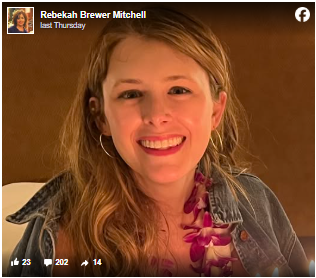
Her work included direct writing credits as well. Suggs was credited as a writer on episodes of My Life with the Walter Boys, giving viewers concrete examples of her contribution to the series. Writing an episode for a continuing drama requires balancing individual storylines with the larger structure of an entire season. Characters need to remain consistent, emotional developments must connect with earlier episodes, and new conflicts have to support future stories. The work is collaborative, but individual credits still provide a visible record of the writer’s role. Suggs’s name remains attached to those episodes permanently.
Her involvement continued through the third season, which was released in August 2026. One of the episodes credited to her was released only days before her death. That timing gave new significance to the season because audiences were watching fresh material connected to Suggs while her family and colleagues were confronting her final illness. Her professional work therefore remained current rather than belonging to an earlier stage of her life. She was still actively contributing to stories shortly before she died.
Reports also said that Suggs had begun work connected with the fourth season of My Life with the Walter Boys. The exact amount of material she completed has not been publicly detailed, so it would be inappropriate to assign specific future episodes or plot developments to her unless the production confirms them. What has been reported is that she remained involved in preparations for the upcoming season. This means some of her final professional efforts were directed toward stories audiences have not yet seen.
Her work extended beyond one Netflix series. Suggs had professional experience involving several television projects and creative teams. Her earlier connection to Jason Katims placed her within the world of character-focused drama, while later opportunities allowed her to develop her own voice as a writer. She also worked alongside her sister Liz at different points. Their shared profession gave their relationship an additional creative dimension. Liz’s public tribute therefore came not only from a family member but also from someone familiar with the work Jesikah was doing.
The sisters’ shared connection to television helped shape the way Liz described Jesikah’s legacy. She emphasized the writers Jesikah worked with and the stories that may continue carrying some of her influence. Television writing is highly collaborative. Writers exchange ideas, challenge each other’s scenes, help solve structural problems and contribute to character development together. As a result, a person’s influence can extend beyond the episodes carrying their own name. Lessons, ideas and creative habits can remain with colleagues and appear in future projects.
Suggs had also spoken publicly about her experience with cancer on social media. During chemotherapy in 2018, she reflected on the people who had supported her through an extremely difficult period. Her comments focused on gratitude for practical help, encouragement and care from friends and family. Treatment can affect many areas of daily life, and Suggs described the support surrounding her as deeply meaningful. Those earlier posts now provide a glimpse of how she approached one part of the long medical experience that followed her diagnosis.
Her public reflections also show why it would be inaccurate to reduce those years entirely to treatment. While cancer remained a serious part of her life, other parts continued developing. She moved forward professionally, built relationships, worked with other writers and contributed to television projects. Her family’s statements repeatedly emphasized this broader perspective. They wanted people to understand that cancer affected her life without becoming the only thing that defined her.
That approach is important when discussing any person living with a serious illness. A medical diagnosis can become so prominent in public reporting that work, personality, relationships and accomplishments disappear behind it. Suggs’s family resisted that simplification. They acknowledged the reality of the disease while also describing someone who remained engaged with work and the people around her. Her career during those eight years provides clear evidence of that continuing activity.
At the same time, her treatment should not be romanticized. A double mastectomy, chemotherapy and radiation are serious medical interventions. Living with metastatic breast cancer can involve repeated appointments, changing treatment plans and difficult physical and emotional periods. Saying that Suggs continued working does not mean that every person facing serious illness should be expected to maintain the same professional pace. Different patients have different bodies, circumstances, treatments and support systems. Her experience should be understood as her own.
The medical details that have been publicly shared should also remain limited to what Suggs’s family confirmed. Reports state that she was diagnosed with breast cancer at 24 and that the disease became metastatic approximately two years later. Her family has also spoken about major treatments she underwent. More specific information, such as the biological subtype of her cancer, the exact locations to which it spread, or every medication she received, has not been publicly established in the material available. Those details should not be invented or assumed.
The confirmed information is already significant. Being diagnosed at 24 meant Suggs spent much of her adult professional life managing a serious illness while also trying to build a demanding creative career. She continued working through the years that followed and reached the role of co-producer on a successful streaming series. By the time she died at 32, she had already contributed to several seasons of television and had begun preparing material for another. Her professional growth happened during the same period in which her cancer treatment continued.
Her age has naturally drawn attention because 32 is unusually young to die. However, one person’s medical experience should not be used to create unnecessary fear for others. Breast cancer risk, diagnosis and prognosis vary considerably among individuals. Age, genetics, family history, tumor biology and many other factors can affect risk and treatment. Suggs’s diagnosis at 24 is an important part of her personal story, but it should not be presented as proof that another young person faces the same medical likelihood.
Likewise, Suggs’s illness should not be used as a substitute for general medical advice. Anyone concerned about breast changes, family history, screening or personal risk should speak with a qualified healthcare professional. Medical decisions should be based on individual circumstances rather than comparisons with a television writer or another public figure. Responsible reporting can explain Suggs’s confirmed diagnosis without turning her obituary into a diagnosis guide for readers.
Her professional accomplishments provide a separate reason her death attracted attention. Television writing is often less visible than acting, even though writers play an essential role in determining what audiences eventually see. Before an actor performs a scene, someone must decide what happens, why the characters behave as they do and how one episode connects to the larger story. Writers and story editors participate heavily in those decisions. Producers also help coordinate the broader creative and practical process of moving material toward production.
Suggs participated in that world for years. Her promotion within My Life with the Walter Boys suggests that her colleagues increasingly trusted her with responsibility. Moving from story editor to co-producer is a meaningful professional progression. It indicates that her contribution had become important to the continuing series rather than being limited to one isolated script. Her role expanded while the program itself was growing.
The Netflix series also gave her work an international audience. Streaming programs can reach viewers in many countries at roughly the same time, giving writers a level of reach that would have been difficult to achieve through smaller productions. Audiences watching My Life with the Walter Boys may not have known Suggs personally or even recognized her name while watching the credits. Nevertheless, they were experiencing stories that she helped develop. Her work became part of a production seen far beyond the writers’ room in which it was created.
That visibility adds another dimension to her legacy. Television episodes remain available after the people who created them are gone. New viewers can discover a series years later without knowing anything about the circumstances surrounding its production. Suggs’s credited episodes can therefore continue reaching audiences who may never encounter an obituary about her. The work has its own life beyond the period in which it was made.
Her sister Liz expressed a similar idea in remembering the impact Jesikah had on other writers. Creative influence is difficult to measure because it does not always appear in formal credits. A conversation in a writers’ room may help another writer rethink a scene. Advice shared during production may influence how a colleague approaches a later project. A strong professional relationship can shape someone’s career long after a specific show ends. Liz suggested that Jesikah’s influence would continue through those kinds of connections.
For her family, however, those professional contributions are only one part of the person they lost. Suggs is survived by her husband, actor Dustin Ingram, known for projects including Watchmen. She is also survived by her mother Roxanne Suggs, sisters Elizabeth and Kathryn, brother Jimmy and other relatives, including nieces and a nephew. Her father, Jim Suggs, died before her. These family relationships existed outside the television industry and represent parts of her life that public career summaries cannot fully capture.
Her husband’s career also connected the couple to the entertainment industry, but their private relationship should not be reduced to professional credits. Public reports identify Ingram among the relatives surviving Suggs, while most details of their personal life appropriately remain outside the public record. The same applies to many aspects of Suggs’s relationships with family and friends. An obituary can describe the people she leaves behind without pretending to know every private detail of their grief.
Memorial arrangements following her death included services in California and Texas. Those locations reflected two important parts of Suggs’s life. Texas was where she was born and educated, while Los Angeles became the center of the television career she pursued as an adult. Friends, relatives and colleagues connected with different stages of her life therefore had opportunities to remember her in both places.
The timing of her death, only days after new episodes of My Life with the Walter Boys reached Netflix, was particularly poignant. A television season represents months of work before audiences ever see it. By the time Season 3 premiered, much of Suggs’s contribution had already been completed. Viewers were beginning to watch those episodes while the writer who had helped create them was nearing the end of an eight-year experience with cancer. That contrast is difficult to ignore, but it should be described without unnecessary dramatization.
It also helps illustrate how much of Suggs’s professional life continued behind the scenes despite her health challenges. Television audiences usually see only the final result. They do not see the writing sessions, revisions, production discussions, medical appointments or personal circumstances taking place while episodes are being created. Suggs’s story makes some of that hidden reality more visible. Her professional progress and medical experience were occurring simultaneously.
Her family’s comments about healthcare workers add another important element. Liz Suggs remembered her sister as someone who appreciated the people providing care throughout treatment. Long-term cancer care can involve relationships with doctors, nurses, technicians and other healthcare professionals over extended periods. Expressing gratitude toward those people was part of how the family described Jesikah’s attitude during treatment. That appreciation appeared alongside the family’s emphasis on her commitment to writing.
It is important to preserve the family’s framing rather than replacing it with exaggerated descriptions. Suggs was not portrayed as someone who defeated every medical obstacle indefinitely. She ultimately died from a serious illness after years of treatment. Her relatives instead emphasized how she continued participating in life and work for as long as she could. Those are different claims, and keeping the distinction clear helps avoid turning a real medical experience into an unrealistic inspirational narrative.
Her story also demonstrates why words such as “battle” should be used carefully. Families often use that language when describing cancer because it reflects their emotional experience. At the same time, the outcome of cancer treatment does not depend simply on whether someone was courageous enough or fought hard enough. Disease biology and medical circumstances play enormous roles. Suggs’s determination can be acknowledged without implying that survival is a measure of a patient’s strength.
What can be said confidently is that she spent years undergoing treatment while continuing a professional career that demanded creativity and collaboration. She moved through multiple positions in television and reached a producing role before her death. She contributed scripts to a popular streaming series. She remained connected with colleagues and family members who later described her with affection and admiration. Those achievements stand on their own.
Suggs’s early career path also offers a glimpse into how television professionals develop. Few writers begin by immediately creating major series. Internships, assistant jobs and junior writing positions frequently provide the foundation for later opportunities. These roles may involve administrative work, observing experienced writers, learning production schedules and understanding the collaborative nature of television. Suggs followed that kind of progression after moving to Los Angeles.
Working as an assistant to Jason Katims was one of those formative experiences. Katims is known for television projects built around character relationships and emotional storytelling. Exposure to that environment may have offered Suggs valuable professional experience, though it would be speculative to claim exactly how it shaped her own writing unless she discussed that influence publicly. What is clear is that the position placed her close to established television production before she began receiving her own creative credits.
Her later work on My Life with the Walter Boys also centered heavily on relationships and emotional change. The show follows young characters navigating grief, attraction, family tension and personal growth. Suggs participated in building that fictional world as the series evolved through multiple seasons. The similarity between broad themes of resilience in the series and aspects of Suggs’s personal experience should not be treated as evidence that she wrote autobiographically. Writers regularly create stories that differ substantially from their own lives.
The safest and most accurate approach is to recognize the work without inventing connections. Suggs was a writer and producer helping create a fictional series. She was also a young woman living with breast cancer. Both facts were true at the same time. One does not need to be used as an explanation for the other.
Her professional momentum makes her death particularly difficult for colleagues because her career was still developing. At 32, Suggs had not reached the stage when most writers consider their work complete. She had new scripts underway and another season ahead. The fact that she had already begun preparing for Season 4 shows that her focus remained directed toward future storytelling. Her death interrupted that work rather than concluding a long-retired career.
Exactly what will happen with material she began preparing for the fourth season remains for the show’s production team to determine. Unless official announcements are made, it would be wrong to speculate about whether specific scripts will be used, rewritten or dedicated to her memory. Any future tribute by Netflix or the production should likewise be reported only after it is officially confirmed. Respectful coverage should not invent memorial plans on behalf of colleagues.
The episodes already released provide a more concrete legacy. Viewers can identify specific scripts carrying Suggs’s name and understand that she participated in the wider writers’ room shaping the show. Her producer credits also demonstrate an ongoing role that cannot be reduced to individual episodes. These professional records remain available even as the people who worked directly with her remember more personal contributions.
For aspiring television writers, Suggs’s career also shows that progress can occur through a series of relatively small opportunities. An internship led into professional work. Assistant experience led toward creative responsibility. Story editing eventually led to producing. That progression occurred over only a portion of her adult life. There is no need to turn it into a motivational formula, but it does illustrate a real path through an industry where careers often develop gradually.
Her health circumstances make the timeline even more remarkable without needing exaggeration. When many people in their twenties are beginning professional careers, Suggs was simultaneously navigating serious cancer treatment. Her family’s account makes clear that she continued developing professionally throughout those years. The fact that she reached a co-producer position while managing such a significant health condition became one of the reasons colleagues and relatives spoke so strongly about her persistence.
Still, her worth should not be measured by productivity while sick. A person does not become more deserving of admiration because they continue working during illness, and those who need to stop working during treatment have not failed. Suggs apparently found meaning in continuing her television career, and her family highlighted that choice because it reflected who she was. That personal context matters.
Her social-media reflections during chemotherapy also suggest that receiving support was important to her. Friends and family helped in practical ways, and Suggs publicly expressed gratitude for them. Serious illness can make ordinary tasks difficult, which means simple assistance can become significant. Meals, messages and help with everyday responsibilities can reduce some of the pressure around treatment. Her comments offered a personal acknowledgment of that reality.
Years later, some of those same relationships became part of the public remembrances following her death. Her sister’s tribute described not only medical treatment and professional commitment but also Jesikah’s affection for the healthcare workers and people around her. The picture that emerges is therefore broader than an obituary headline. It includes illness, work, family, gratitude and creativity.
That fuller picture is important because Suggs was only 32. A short lifespan can make people focus immediately on what was not completed. There were undoubtedly stories she never had the opportunity to write and career milestones she never reached. At the same time, concentrating only on unrealized potential can obscure the work she had already finished. Several years of television credits remain part of the permanent record of her career.
Her contribution to My Life with the Walter Boys is likely to remain the part of her work most familiar to general audiences. The Netflix series gave her an international platform and a continuing production on which her role expanded over time. As future seasons appear, viewers may also become more aware of the writers and producers whose names appear in the credits. Suggs is now part of the history of that series.
Her death has consequently affected both the personal and professional communities around her. Family members have lost someone they loved. Television colleagues have lost a collaborator. The series has lost a writer and producer who had been involved from its early stages. Audiences have lost a creative professional whose career was still developing.
Those facts are significant enough without embellishment.
There is no need to invent final words, private hospital conversations or undocumented moments surrounding her death. Her family confirmed that she died at home in Studio City on August 18. The medical history they chose to disclose includes breast cancer diagnosed at 24, later metastatic disease and years of treatment. The professional record documents her increasing role in television. Together, those confirmed facts tell a substantial story.
Her age also makes accuracy particularly important. Stories involving young deaths can easily become emotionally exaggerated online. Headlines may emphasize tragedy while adding medical or personal details that were never confirmed. That approach risks turning a real person into a piece of viral content rather than treating the loss respectfully. Suggs’s career and her family’s own statements provide enough information to write a compelling remembrance without inventing anything.
The same principle applies to social-media sharing. Readers should be able to distinguish between verified reporting and personal commentary. Claims about what Suggs thought during her final days, how individual relatives reacted privately or which medical treatment failed should not be presented without evidence. Keeping the article grounded protects both readers and the people involved.
What her family has emphasized is that Jesikah Suggs continued creating. She wrote television, worked with colleagues and pursued stories despite years of treatment. She advanced professionally and remained part of a major production until shortly before her death. Her sister believes the relationships she formed with other writers will allow her influence to continue in ways that are difficult to quantify.
That idea offers a fitting way to understand her professional legacy.
Television stories are rarely created by one person.
They are built through collaboration.
Writers influence writers.
Editors influence scripts.
Producers influence the direction of entire seasons.
The result may continue reaching viewers for years.
Suggs participated in that process during a career that ended far earlier than expected. Her own opportunities to contribute have ended, but the work she already completed has not. Episodes remain available, colleagues remember what she brought to writers’ rooms, and the series continues carrying material developed during the years she was part of its team.
Her family will naturally remember things the public will never know.
Those private memories do not need to become content.
Public audiences already have another form of remembrance available through her work.
They can watch the episodes she helped create.
They can notice her name in the credits.
They can recognize that someone who worked largely behind the scenes helped shape the characters and stories appearing on screen.
Jesikah Suggs died at 32 after living with breast cancer for approximately eight years. She leaves behind her husband, mother, siblings, extended family, friends and professional colleagues. She also leaves television work that reflects a career still moving forward at the time of her death.
Cancer formed a major part of her adult life, but according to those closest to her, it was never the only part.
She was a writer.
She was a producer.
She was a sister, daughter, wife and colleague.
She continued pursuing the craft she had chosen after moving from Texas to Los Angeles.
Her career began with the kinds of opportunities many aspiring television professionals recognize: internships, assistant work and gradual advancement.
It eventually led to a continuing Netflix series watched around the world.
Her sister’s remembrance captures why those professional relationships matter. The stories Suggs worked on will remain, but so will the ideas and lessons exchanged with other writers throughout her career. Creative influence often survives without appearing in an official credit.
For Suggs, that influence now becomes part of what remains.
Her death brought a promising career to an end far too early.
The work, however, is still there.
And for viewers discovering My Life with the Walter Boys now or years in the future, Jesikah Suggs’s name will continue appearing where writers leave one of their clearest records behind: in the stories they helped create.

