
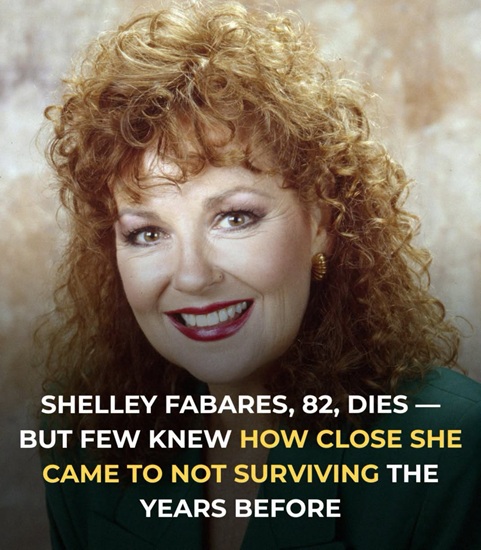
Shelley Fabares built a career that stretched across several generations of American television, film and music, becoming a familiar face to millions of viewers. Yet one of the most important chapters of her life unfolded away from cameras, when a serious liver condition placed her health in danger and eventually required a transplant. Long after her early fame, Fabares found herself confronting a situation that had nothing to do with ratings, roles or celebrity.
During that period, her husband, actor Mike Farrell, remained closely involved in her care. Fabares later said that the experience changed the way she viewed life and strengthened the relationship they had built together. Fabares died in Los Angeles on August 22, 2026, at the age of 82, according to a statement from her family. She was surrounded by loved ones when she died. Her relatives remembered her not only as an actress and singer but also as a devoted wife, stepmother and friend.
They emphasized her warmth, humor, generosity and ability to make people around her feel welcome and appreciated. The family asked for privacy as they mourned, and no cause of death was publicly disclosed. Born Michele Marie Fabares in Santa Monica, California, on January 19, 1944, she entered the entertainment world at a young age. Her family already had strong connections to show business through her aunt, acclaimed actress and singer Nanette Fabray. Fabares began modeling as a child and soon moved into television work. By the time she reached her teenage years, she was already appearing before national audiences and developing the skills that would define her professional life.
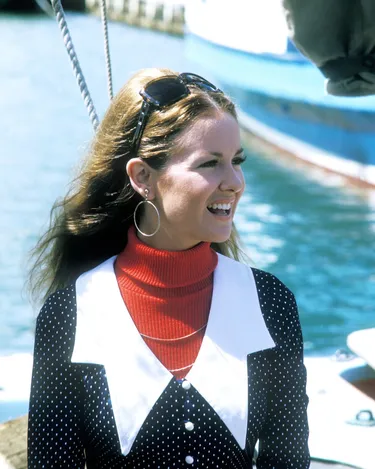
Her major breakthrough came with The Donna Reed Show, where she played Mary Stone, the teenage daughter of Donna and Alex Stone. The series became one of the best-known family sitcoms of its era, and Fabares quickly became recognizable to viewers across the country. She spent several seasons on the show and developed into one of television’s most familiar young actresses. The role gave her a platform that would soon lead to opportunities outside acting.
One of those opportunities was music. In 1962, Fabares released “Johnny Angel,” a pop single that became a major commercial success. The song reached No. 1 on the Billboard Hot 100 and became one of the defining recordings of her early career. Although her time as a recording artist was relatively brief compared with her acting work, the success of “Johnny Angel” ensured that she would remain part of early-1960s pop culture. The song continued to be associated with her for decades.
Her growing fame also opened the door to film roles. During the 1960s, Fabares appeared opposite Elvis Presley in three movies: Girl Happy, Spinout and Clambake. Working with Presley connected her career to one of the most famous entertainers in the world. She also appeared in other films and television productions, gradually building a résumé that went far beyond the teenage character that first made her famous.
Fabares continued working steadily as she moved into adult roles. She appeared in programs such as One Day at a Time, The Love Boat and Murder, She Wrote, showing that she could adapt to changing television formats and audiences. She also appeared in the acclaimed television movie Brian’s Song, which became one of the most remembered TV films of its era. Her ability to continue finding work across decades was a major part of what made her career unusual.
A particularly important later chapter began in 1989 when she joined the sitcom Coach. Fabares played Christine Armstrong opposite Craig T. Nelson, whose character Hayden Fox served as the center of the series. Christine eventually became Hayden’s wife, and Fabares became one of the show’s central performers. The role introduced her to a new generation of viewers who may not have known her work from The Donna Reed Show or her music career.
Her performance on Coach earned her two Emmy nominations and reinforced her reputation as a versatile television actress. The show ran for years and became one of the most successful projects of her later career. Fabares had now achieved significant television visibility in two very different eras, separated by several decades. Few performers manage to become widely recognized both as a teenage star and later as a mature sitcom lead.
Away from television, Fabares’ personal life developed in equally significant ways. She first met Mike Farrell years before they eventually became romantically involved. Farrell would become widely known for playing Captain B.J. Hunnicutt on MASH*. Both had previous marriages before they built a relationship together. Fabares had been married to music producer Lou Adler, while Farrell had been married to actress Judy Farrell and had two children.
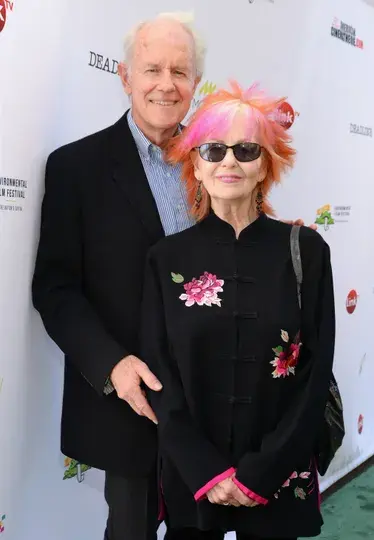
Fabares and Farrell reconnected in the early 1980s and eventually married on December 31, 1984. Their wedding took place at Nanette Fabray’s home. The marriage also meant Fabares became part of a blended family. Farrell’s children from his previous marriage needed time to adjust, and Fabares later acknowledged that becoming a stepmother required patience, courage and affection. Over time, those relationships became an important part of the family life she shared with Farrell.
The couple’s marriage later faced a challenge that neither could have anticipated. In 1994, Fabares suffered a serious accident while their home was under construction. She fell through unfinished floor joists and suffered extensive injuries, including broken ribs on the left side of her body. While doctors were treating those injuries, they discovered something unexpected in her bloodwork.
Her liver measurements were significantly abnormal. At first, doctors were unable to immediately determine the full cause of the problem. Fabares later described the readings as extraordinarily high. She began taking medication, and for a period her condition appeared relatively stable. Even though the numbers remained concerning, there was initially hope that the problem could be managed without more drastic treatment.
That sense of stability did not last. Over the following years, her liver disease progressed and eventually became much more serious. In early 1999, Fabares experienced a severe esophageal bleed and was rushed to Cedars-Sinai Medical Center. The episode marked a major turning point in her health. Doctors determined that her liver damage had become irreversible and that another serious bleed could be life-threatening.
The possibility of a transplant quickly became central to her treatment. At first, Fabares hoped that surgery might never actually be necessary. The idea of needing a donor organ was frightening and difficult to accept. Eventually, however, the seriousness of her condition became impossible to ignore. Her physicians explained that without a functioning donor liver, her chances of long-term survival were poor.
In April 1999, Fabares was placed on the liver-transplant waiting list. From that moment forward, her life became defined by uncertainty. Being placed on the list did not guarantee that a suitable organ would arrive in time. Patients waiting for donor organs often face long periods in which their health continues to decline while they hope for a match.
Fabares later spoke candidly about how frightening the wait became. She knew there were many patients who never received an organ before their condition became fatal. That knowledge affected both her and Farrell. Their lives became structured around medical appointments, monitoring and the possibility that a call could arrive at almost any moment.
She carried a transplant pager so the hospital could reach her immediately if a donor liver became available. Occasionally, the pager went off because someone had accidentally contacted the wrong number. Each time it sounded, Fabares and Farrell initially experienced a surge of anxiety and hope. Over time, they learned not to assume every signal meant the long-awaited call had finally arrived.
As her condition deteriorated, simple everyday tasks became increasingly difficult. Fabares later described overwhelming fatigue and the feeling that ordinary movement required far more energy than before. At times, even getting up for a glass of water felt exhausting. The illness was no longer something that could be kept at a distance. It shaped her daily routines and constantly reminded her that her health was becoming more fragile.
Farrell’s role during this period became especially important. Fabares said he accompanied her to medical appointments and remained closely involved in her treatment. He helped manage responsibilities that had become harder for her as her strength declined. His support was not limited to encouraging words. It became part of the practical structure that allowed Fabares to manage an increasingly serious medical condition.
The couple also relied heavily on the medical team at Cedars-Sinai. Fabares later expressed gratitude toward the specialists who guided them through the process, including physicians involved in her liver care and eventual transplant. They explained difficult medical information, monitored her changing condition and helped the couple understand what was happening at each stage. For Fabares, that communication became a source of reassurance during an unpredictable and frightening time.
Months passed while she remained on the transplant list. Each additional week carried both hope and risk. A donor organ could become available at any time, but her own health could also worsen. Fabares later described the experience as living on borrowed time, reflecting how uncertain the future felt while she waited.
On October 23, 2000, the call finally came. A suitable donor liver had become available, and Fabares was taken to Cedars-Sinai for transplant surgery. After the long period of waiting and declining health, she underwent the operation successfully. The procedure represented the possibility of a future that had seemed increasingly uncertain only months earlier.
The transplant was successful, and Fabares began the demanding process of recovery. Organ transplantation does not end when surgery is completed. Patients require ongoing medical monitoring and medication to reduce the risk of rejection. Nevertheless, the operation gave Fabares something she had feared she might not receive: more time.
She later described the transplant as the beginning of a new life. Her survival also carried a deep awareness that a donor had made that second chance possible. For transplant recipients, gratitude is often connected with the knowledge that their recovery depends on another person’s donated organ. Fabares never treated that reality lightly.
Her experience eventually made her a public supporter of organ-donation awareness. She understood personally what it meant to wait while time became increasingly limited. Instead of keeping the entire experience private after recovering, she chose to speak publicly about the importance of organ donation and about the people whose decisions make transplantation possible.
The health crisis also changed the way Fabares viewed her marriage. Serious illness can place enormous strain on relationships, but she later said that the years surrounding her liver failure and transplant had brought her and Farrell closer together. She repeatedly expressed gratitude for his presence and described him as an essential source of support during the most difficult period of her life.
Farrell’s involvement reflected the realities of long-term caregiving. It meant attending appointments, helping with practical matters and living with the same uncertainty surrounding the transplant wait. The couple did not know exactly when an organ would become available or whether another medical crisis would happen first. Their relationship had to absorb all of that uncertainty while continuing with everyday life.
Fabares believed that surviving the experience gave her a deeper appreciation for things she might once have taken for granted. Professional success had already brought her fame, money and recognition, but severe illness forced her to reconsider what mattered most. Health, family and time became more important than career milestones. She later spoke about gratitude in ways that reflected that shift.
Her advocacy extended beyond transplantation. Fabares also became involved in Alzheimer’s-related causes after the disease affected her family. These activities revealed another part of her public life that had little to do with acting or music. Personal experiences increasingly influenced the causes she chose to support.
Farrell also maintained interests in humanitarian and human-rights work, and both continued to live lives that extended beyond entertainment. Although they remained recognizable public figures, many of the most important years of their marriage were shaped by private experiences. Their relationship included professional success, family responsibilities, health challenges and decades of ordinary life away from cameras.
By the time of Fabares’ death in 2026, she and Farrell had been married for more than 40 years. Their partnership had survived major career changes, family adjustments and a medical crisis that once placed Fabares’ life in immediate danger. The longevity of their marriage became especially meaningful because Fabares had so openly credited Farrell with helping her through the period when she was most vulnerable.
Her death prompted renewed interest in the remarkable length of her entertainment career. Some viewers remembered her as Mary Stone, while others associated her with “Johnny Angel.” Elvis Presley fans knew her from the films they made together, while an entirely different generation remembered her as Christine Armstrong on Coach. That range of associations demonstrated just how many decades her career had covered.
Craig T. Nelson and other former colleagues remembered Fabares warmly after her death. Their tributes reflected professional respect but also the personal connections she developed during years of working in entertainment. Former co-stars described a person whose character away from the camera left as much of an impression as her performances.
Her family’s statement followed the same pattern. Rather than focusing on ratings, record sales or awards, relatives highlighted her kindness, humor and generosity. They remembered someone who made people feel valued and cared for. Those qualities represented a private legacy that existed alongside the much more visible career seen by audiences.
Fabares’ life offers a particularly striking contrast between public success and private vulnerability. Millions of people knew her face, yet fame could do nothing to protect her from a failing liver. When her health deteriorated, the most important things in her world were no longer television roles or chart success. They were medical care, a donor organ and the people willing to stand beside her.
The transplant that saved her life ultimately gave Fabares more than two additional decades. Those years allowed her to remain with Farrell, spend time with family and continue supporting causes important to her. They also gave her enough distance from the medical crisis to speak about it with gratitude rather than only fear.
Her experience became part of a larger story about what second chances can mean. Fabares knew that the additional years she received were not guaranteed. She had spent months waiting while her health declined and had understood that a transplant might never come. That knowledge made recovery especially meaningful.
It is also important not to connect her 2026 death automatically with the liver failure she experienced decades earlier. Her family did not publicly disclose a cause of death, and the transplant she received in 2000 had allowed her to live for more than 25 additional years. Any claim that her death was caused by the earlier liver condition would therefore go beyond the information currently available.
What can be stated with confidence is that her health crisis permanently changed her life. The transplant gave her additional years, and her husband’s support became one of the central parts of the way she later remembered the experience. Fabares repeatedly described the ordeal as something that strengthened their marriage rather than weakening it.
Her career remains equally significant. She successfully moved from child and teenage roles into adult television work, survived changing industry trends and later earned Emmy recognition. She also achieved a No. 1 single and appeared alongside one of the most famous musicians in entertainment history. Taken together, those accomplishments made hers a remarkably varied professional life.
Yet the private story may reveal even more about the person behind the familiar television roles. Fabares experienced years of uncertainty, physical exhaustion and the fear that her condition might become fatal before a transplant became available. She depended on physicians, a donor and the people closest to her. Through that experience, she developed an appreciation for everyday life that she later described publicly.
Farrell’s presence became inseparable from that chapter. According to Fabares’ own accounts, he attended appointments, supported her emotionally and remained involved throughout the transplant process. She never portrayed that support as something trivial. Instead, she repeatedly acknowledged how important it had been to her survival and recovery.
Their marriage therefore became more than a Hollywood partnership. It was tested under circumstances that neither fame nor professional experience could make easier. The years of illness demanded patience, consistency and a willingness to live with uncertainty. Fabares believed they emerged from that experience closer than before.
When looking back over her life, it is easy to focus only on the famous images: Mary Stone on television, the singer of “Johnny Angel,” the actress appearing with Elvis Presley or Christine Armstrong on Coach. Those moments are an important part of her legacy, but they represent only the public side of a much larger life.
Behind them was a woman who became a stepmother, endured a serious medical crisis, received a donor liver and later advocated for causes shaped by her own experiences. She lived long enough after the transplant to see several more chapters of family life and to reflect on what surviving had meant to her.
Shelley Fabares ultimately leaves behind a legacy that extends across entertainment, family and health advocacy. Her performances remain available for new audiences to discover, while her experience as a transplant recipient continues to illustrate the life-changing importance of organ donation. Her marriage to Mike Farrell adds another layer to that story, showing the role long-term support can play during a severe illness.
Her passing at 82 brought an extraordinary life to a close, but the story did not end with the medical crisis that once threatened her future. The transplant allowed her to continue living for more than two decades, and those years became an essential part of her legacy. They gave her time with family, time for advocacy and time to look back on a career that had already stretched across most of television history.
For audiences, Shelley Fabares will remain a familiar face from some of the most recognizable programs and films of her era. For those close to her, however, the lasting memories were described in very different terms: warmth, loyalty, humor, generosity and care. Between those two versions of her life stands the story of a woman who survived a major health crisis and never forgot the people who helped her through it.
That is what makes the story of Fabares and Farrell particularly enduring. It is not simply about celebrity or nostalgia. It is about a long marriage confronted with illness, uncertainty and the possibility of loss. Fabares believed that the experience deepened their connection, and the decades they shared afterward gave weight to those words.
Shelley Fabares’ life therefore cannot be reduced to a single role, a hit song or even a transplant. It was a story of repeated reinvention, resilience and relationships that lasted far beyond the moments seen on screen. From childhood fame to later television success, from life-threatening illness to recovery, she experienced a range of highs and lows few public careers could fully reveal.
By the end of her life, the public knew far more about her than the teenage star they had first met decades earlier. She had become a veteran actress, wife, stepmother, transplant survivor and advocate whose private experiences reshaped the way she understood success. Her professional achievements remain important, but her later reflections suggest that health, family and gratitude became the things she valued most.
The story she left behind is therefore both public and deeply personal. Shelley Fabares entertained audiences for decades, but one of the most meaningful chapters of her life took place in hospitals, medical offices and private moments with the people closest to her. She survived that chapter because a donor organ became available, because experienced doctors treated her and because, in her own account, Mike Farrell remained beside her throughout the ordeal.
More than 25 years after that successful transplant, her death closed a life that had once come dangerously close to ending much earlier. The additional time she received allowed her to continue relationships, support important causes and look back on a remarkable career with perspective. In that sense, the transplant was not simply a medical event. It became the dividing line between the life she nearly lost and the many years she was fortunate enough to experience afterward.

