
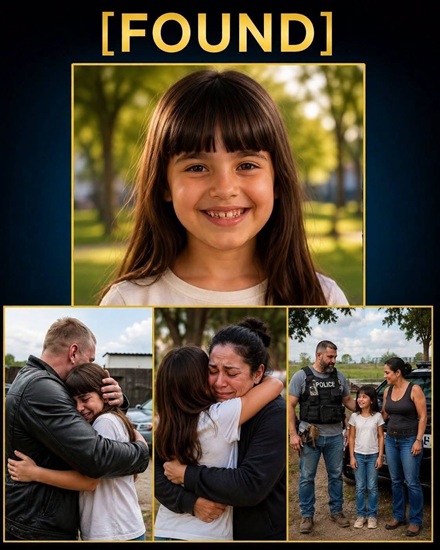
When a missing child is finally located alive, the first reaction is usually relief. Families may have spent days, months, or even years living with uncertainty, while investigators and community members continued searching for answers. A safe recovery can therefore feel like the end of a long and painful chapter. In reality, however, it often marks the beginning of another important phase. The child may need medical care, emotional support, privacy, and time to adjust to changed circumstances. Investigators may also continue working to determine what happened during the period of disappearance.
Missing-child cases can develop in very different ways, so no single explanation applies to every situation. Some children become lost, some leave home voluntarily, some are taken during family disputes, and others may become victims of criminal conduct. The circumstances can be very different even when the public description is simply “missing child.” That is why authorities rely on evidence rather than assumptions when determining what happened. A recovery may answer the most urgent question about the child’s safety, but many other questions can remain. Those questions need to be handled carefully and with respect for the child.
Once a child is found, confirming identity and immediate safety becomes a priority. Depending on the case, authorities may verify the child’s identity through family confirmation, official records, or other appropriate methods. Medical professionals may also examine the child to determine whether any urgent health concerns are present. A child who has been missing for a short period may require very different care from someone who has been gone for a long time. The specific response depends on age, physical condition, medical history, and the circumstances surrounding the disappearance. There is no universal recovery process.
Medical evaluation can be especially important when there are questions about injury, illness, nutrition, medication, dehydration, or other health needs. Some problems may be visible immediately, while others may require professional assessment. The goal is not only to treat urgent concerns but also to establish what follow-up care may be necessary. Medical information involving a minor should generally be treated with privacy. The public does not need every clinical detail in order to understand that care is being provided. Protecting the child’s dignity should remain central.
Emotional support can be just as important as physical care. A child who has been missing may experience relief, confusion, fear, anger, sadness, or many different emotions at the same time. Some children may want to speak immediately, while others may need time before discussing what happened. Their reactions can depend on age, personality, memory, relationships, and what they experienced while missing. No child should be expected to respond in a particular way simply because the public imagines a dramatic reunion. Recovery is an individual process.
Reunification with family members may also require patience. If a child was very young when they disappeared, familiar relatives may no longer feel familiar. Homes may have changed, siblings may be older, and family routines may be different from what the child remembers. Parents may have spent years imagining the reunion, but the child may have developed a completely different understanding of daily life. Those differences can create emotional challenges even when everyone is relieved to be together again. Professional support can help families rebuild relationships gradually.
Privacy often becomes more important after recovery than it was during the search. While the child was missing, sharing photographs and identifying information may have been necessary to generate leads. Once the child is safe, continued circulation of those details can create new problems. Old missing-person posts can remain online for years, sometimes appearing in search results long after the case has ended. Families may ask that certain images or personal details stop being shared. Respecting those requests can help the child regain a more private life.
Media attention can also become overwhelming. News organizations may want interviews, while social-media users may demand explanations about where the child was and what happened. Curiosity can be understandable, but it does not override the child’s need for safety and privacy. A recovered minor should not be expected to immediately explain a potentially traumatic experience to strangers. Authorities and families may limit public contact for good reasons. The lack of immediate detail does not necessarily mean information is being hidden improperly.
Law-enforcement priorities usually change once a child has been found. During the search, the main goal is locating the missing person safely. After recovery, investigators may shift toward reconstructing the timeline and determining whether a crime occurred. They may review witness statements, digital communications, travel records, locations, and other evidence. If criminal conduct is suspected, evidence must be collected and preserved carefully. The child may also need to be interviewed in a way that minimizes unnecessary stress.
Forensic interviews involving children are generally conducted differently from ordinary questioning. Trained professionals may use developmentally appropriate methods and open-ended questions to gather information. The goal is to avoid leading the child or repeatedly forcing them to tell the same story. Repeated questioning by untrained adults can create confusion and additional stress. This is why specialized child-interviewing practices are often used in sensitive cases. The child’s well-being and the reliability of the information both matter.
Children’s Advocacy Centers and similar multidisciplinary programs can help coordinate different professionals. Law enforcement, prosecutors, medical providers, child-protection workers, mental-health professionals, and victim advocates may all have responsibilities. Without coordination, a child could be asked the same questions many times by different people. A more organized approach can reduce unnecessary repetition. It can also help ensure that medical, legal, and emotional needs are addressed together rather than separately.
Finding a child alive does not automatically prove who was responsible for the disappearance. That distinction is essential. Social media often moves faster than investigations, and people may begin accusing individuals before authorities have confirmed the facts. Rumors can spread quickly and may identify someone who has not been charged with any crime. Responsible reporting should clearly distinguish allegations from proven facts. Legal responsibility is determined through evidence and due process.
The same caution applies to descriptions of what the child supposedly experienced. Unless reliable authorities or confirmed records provide specific information, details about abuse, confinement, threats, or other harm should not be invented. Some recovered children may have experienced serious victimization, while others may have been missing under completely different circumstances. Assuming the most dramatic explanation can create misinformation. It can also permanently attach unverified claims to a child’s identity. Sensitive cases require restraint.
Families themselves may experience complicated emotions after recovery. Relief can exist alongside anger, guilt, exhaustion, confusion, or fear about the future. Parents may wonder whether they missed a clue or could have acted differently during the search. Those thoughts can be powerful even when there was no realistic way to know what had happened. Hindsight does not necessarily prove that anyone failed. Professional support can help families process those emotions without placing blame where it does not belong.
Community volunteers may experience similar reactions. People who distributed posters, joined search efforts, or supported the family may feel enormous relief when the child is found. They may also begin asking how the disappearance lasted so long or whether something could have been noticed earlier. Those questions are understandable, but they should be answered through verified investigative findings rather than speculation. A community’s emotional response should not become a substitute for evidence. Facts still matter.
Social media can be especially difficult after a recovery. During a search, widespread sharing may have helped keep the case visible. Afterward, the same platforms can spread false explanations, outdated posters, and unsupported accusations. Users may repost information from the early stages of the case even after authorities have corrected it. Updating or removing outdated missing-person posts can reduce confusion. Sharing official information is usually safer than repeating unverified claims.
The child’s return to school may also require planning. Teachers and classmates may already know about the disappearance because it was discussed publicly. A sudden return to the same environment can create unwanted attention. Some children may feel comfortable returning quickly, while others may need a different arrangement. Schools may need guidance about privacy, academic adjustment, and how classmates should respond. The goal is to restore stability without turning the child into a public spectacle.
Daily routines can help create a sense of safety. Regular meals, predictable schedules, hobbies, schoolwork, and familiar activities may gradually help the child regain a sense of normal life. That process should not be rushed. Some children may welcome routine quickly, while others may need more flexibility. Recovery plans should be based on the individual’s needs rather than on an outside expectation of what “normal” should look like. Progress may happen unevenly.
Relationships with siblings can change during a long absence. Younger brothers or sisters may barely remember the missing child, while older siblings may have spent years thinking about them. Family roles may have shifted during the absence. A reunion can therefore bring happiness and also require adjustment. Families may need time to understand how everyone now fits together. Trying to recreate the past exactly may not always be realistic.
Mental-health support may be useful in some cases, but it should not be assumed that every recovered child will experience the same psychological effects. People respond differently to stressful events. Some may experience significant anxiety or trauma-related symptoms, while others may adapt differently. A professional evaluation can identify what kind of support, if any, is needed. Using dramatic labels before such assessment can be inaccurate. The child’s actual needs should guide the response.
The word “resilience” should also be used carefully. It can describe a person’s ability to continue functioning or adapting after difficulty, but it should not become pressure to appear strong. A child can be resilient and still feel frightened, angry, confused, or overwhelmed. Recovery may include setbacks and difficult days. Praising strength should never create the impression that distress is a failure. Emotional complexity is normal.
The legal process may continue long after the child’s safe return. If authorities believe a crime occurred, prosecutors may review evidence and decide whether charges are appropriate. Arrest, charging, pretrial proceedings, and trial are separate stages. A person who is accused of a crime is still entitled to due process. Public anger should not replace legal standards. Accurate coverage uses careful language until a court reaches a conclusion.
Investigators may also continue asking the public for information. A child may be safe while important parts of the timeline remain unknown. Authorities could need details about vehicles, locations, witnesses, online communication, or people who interacted with the child. Anyone with relevant information should provide it directly to investigators rather than conducting an independent online investigation. Public accusations can complicate legitimate police work. Reliable tips are more useful than speculation.
Digital evidence can be important in some cases. Phones, social-media accounts, messaging platforms, gaming services, travel records, and location data may help investigators reconstruct events. These tools are not relevant in every disappearance, and access to them must follow legal procedures. Members of the public generally do not know what digital evidence investigators possess. Claims that a particular app or account “proves” what happened should therefore be treated cautiously unless confirmed by reliable sources.
A long disappearance can make evidence gathering more difficult. Witness memories may fade, records may become harder to locate, and physical evidence can disappear. At the same time, newer technology may allow investigators to revisit older information in ways that were not possible earlier. Cold-case reviews sometimes benefit from improved databases, digital tools, or new witnesses coming forward. A recovery after years may therefore create new investigative opportunities. It may also reveal how many unanswered questions still remain.
International cases can become even more complex. If a child is located in another country, authorities may need to coordinate travel, custody, immigration, court orders, and law-enforcement procedures. Reunification may not be immediate even after the child has been found. Different legal systems can become involved. Families may need assistance from multiple agencies. The details depend heavily on the countries and circumstances involved.
Parental-abduction cases are another example of why missing-child cases should not all be described the same way. A child may be with a biological parent but still legally considered missing because a custody order has been violated. Other cases involve unrelated abductors, runaways, exploitation, or accidental separation. Each category requires a different investigative response. Public discussion should avoid assuming the same motive or level of danger in every case. Context matters.
Families whose own children remain missing may react strongly to news of another safe recovery. The story can provide hope, but it can also reopen grief and uncertainty. One successful recovery does not guarantee the same outcome in another case. Responsible reporting should avoid promising that every unresolved disappearance will end safely. Hope can coexist with realism. Each investigation has its own facts.
Support after recovery can involve more than therapy. Families may need help with transportation, legal appointments, schooling, medical care, housing, or financial pressures created by the long search. A disappearance can disrupt employment and family routines for a long time. Returning home does not automatically restore those areas. Practical assistance can therefore be as important as emotional support. Recovery affects the whole household.
The child should not become responsible for reassuring the adults around them. Families may naturally want answers, but the survivor should not feel required to repeatedly explain what happened. Adults and professionals should manage their own emotions without placing that burden on the child. This is especially important when the child is very young. The goal is to create safety, not another source of pressure.
Age-appropriate choices can sometimes help restore a sense of control. A child who has experienced a period of uncertainty may benefit from having input into everyday decisions, such as clothing, routines, hobbies, or room arrangements. This does not mean the child should manage legal or medical decisions alone. It simply recognizes that small choices can help rebuild normal independence. The exact approach depends on age and circumstances.
Public sympathy is most useful when it respects boundaries. People can support a family without demanding every detail. They can stop sharing outdated photographs when requested. They can avoid rumors and unverified claims. They can support reputable organizations that assist missing children and families. Compassion does not require continued public access to the survivor.
Prevention is another important part of the broader conversation. Families can discuss trusted adults, online safety, emergency contacts, transportation plans, and what children should do if they feel unsafe. These conversations should be age-appropriate and practical rather than designed to create fear. Schools and youth organizations can also maintain clear safeguarding procedures. Prevention works best when adults create environments where children feel comfortable reporting concerns.
Technology can help with safety but should not be treated as a guarantee. Location-sharing tools, emergency contacts, and communication apps can be useful in some families. They can also create privacy questions and should be used thoughtfully. No device can replace open communication and trusted relationships. Technology is one tool among many. It should support good safety practices rather than create false certainty.
When a child goes missing, accurate information is especially valuable. Families and authorities may need a recent photograph, clothing description, medical information, possible destinations, and other identifying details. False sightings or fabricated stories can waste investigative resources. Social-media users should be careful about creating or spreading information that has not been confirmed. Official notices are generally more reliable. Accuracy can directly support a search.
The emotional significance of a safe recovery does not require exaggerated language. Terms such as “miracle,” “legendary survivor,” or “entire community left breathless” may sound powerful but often cannot be objectively verified. A factual account can still communicate relief and importance. It is better to describe confirmed developments than to claim knowledge of everyone’s emotions. Neutral language protects credibility. It also avoids turning a minor into a symbol they never chose to become.
The same is true for claims that a case became a “nationwide mystery.” Such a description should only be used if the case genuinely received widespread national attention. Otherwise, it can mislead readers about the scale of coverage. The most responsible approach is to describe what is known and avoid promotional wording. Missing-child stories are serious enough without added sensationalism. Accuracy should be stronger than drama.
Media outlets can continue reporting on an investigation without intruding on the child. They can explain confirmed legal developments, official statements, and public-safety information while avoiding unnecessary personal details. Interviews with a minor should be handled with particular caution. The absence of an interview does not make the story incomplete. The child’s welfare matters more than satisfying public curiosity. Ethical reporting recognizes that difference.
Online archives create another long-term concern. A child who is widely identified during a disappearance may later become an adult whose name is permanently connected with that event. Publishers and social-media users should consider whether every old detail still needs to remain public. Some information may still be relevant, while other material may no longer serve a legitimate purpose. Digital permanence can affect survivors for years. Privacy decisions therefore have long consequences.
Investigators also have to balance the need for information with the child’s recovery. A strong criminal case may depend on careful interviews and evidence collection, but those steps should not cause unnecessary harm. This is where trauma-informed practices become especially important. The investigation should adapt to the child’s developmental and emotional needs whenever possible. Justice and recovery do not have to be treated as competing goals. Both can be pursued responsibly.
A successful legal outcome is not the only measure of recovery. Safety, education, stable relationships, appropriate healthcare, emotional support, and privacy may all be equally important in rebuilding daily life. Criminal proceedings can take months or years. The child cannot be expected to put recovery on hold until a court case ends. Support systems need to continue regardless of legal timelines. The person’s future matters beyond the case file.
Communities can help by moving from search activity to respectful support. During the disappearance, volunteers may have distributed posters or joined organized searches. After recovery, the most helpful action may be quieter. Respecting family requests, avoiding speculation, and supporting established services can be more useful than continued public attention. The needs change once the search ends. Community behavior should change with them.
The family’s understanding of “home” may also change. A child who has been away for a long time may not immediately experience the family house as familiar or comforting. Physical surroundings can remain the same while relationships and memories feel different. Rebuilding a sense of home may therefore take time. It comes through safety, trust, predictability, and repeated positive experiences. It cannot be forced in one reunion.
Parents may need support in managing expectations. After years of hoping for a return, it is understandable to imagine immediate closeness and happiness. The child may instead need distance, quiet, or time to understand what is happening. That reaction does not necessarily mean rejection. It may simply reflect adjustment. Professional guidance can help parents avoid interpreting every response personally.
The recovered child may also have formed relationships during the period of absence. Depending on the circumstances, those relationships can be complicated and may include people the child trusted. Authorities and mental-health professionals may need to consider that emotional reality when planning reunification and interviews. A child’s feelings do not always match the legal categories surrounding the case. Understanding that difference can make support more effective. Emotional bonds can exist even in complicated situations.
Long-term recovery is usually less visible than the dramatic moment of discovery. News cameras may leave quickly, but families may continue attending appointments, court hearings, counseling sessions, and school meetings for months. The public rarely sees that work. Yet it can be the most important part of the entire process. Stability is built through many small steps. It is not created by one headline.
The child may eventually choose to speak publicly about the experience, but that decision should come on their own terms and at an appropriate age. Some survivors later become advocates, while others prefer complete privacy. Neither choice is more courageous than the other. Public storytelling should never be treated as an obligation. A person has the right to keep deeply personal experiences private. Respecting that choice is part of recovery.
Families may also choose different levels of public communication. Some issue detailed statements, while others share very little. Both approaches can be reasonable depending on the circumstances. Outsiders should not assume silence means something suspicious. Legal advice, privacy concerns, and the child’s needs may all influence what the family says. Limited public information can be a protective decision.
The most useful public response is therefore grounded in patience and verified facts. Celebrate that the child is safe if authorities confirm it. Allow the investigation to develop without rushing to assign blame. Respect privacy and avoid spreading old or inaccurate information. Recognize that recovery may take a long time. These principles protect both truth and the survivor.
A safe return after a long disappearance can be extraordinarily meaningful. It can end years of uncertainty for a family and provide investigators with answers that once seemed unreachable. Yet the recovery does not instantly resolve every emotional, medical, legal, or practical problem. The person who was missing now has to rebuild daily life. That process deserves the same attention and care that the search received. Recovery is more than being physically found.
For the public, the strongest lesson is that hope and accuracy should exist together. People can remain hopeful during unresolved searches without inventing facts. Communities can support families without pretending to know what they are experiencing. Journalists can report important developments without sensationalizing children. Investigators can pursue accountability while protecting the survivor. Responsible behavior is possible at every stage.
Ultimately, when a missing child is found alive, the safest priority is the child’s future. Medical needs should be addressed, interviews should be handled by trained professionals, family reunification should be managed with care, and privacy should be respected. Any criminal investigation should proceed through evidence and due process. Public interest should never become more important than the survivor’s well-being. Finding the child may end the search, but rebuilding safety, trust, and stability is the work that follows.

