
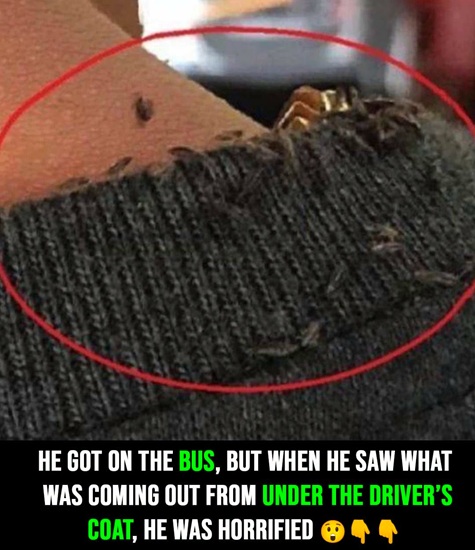
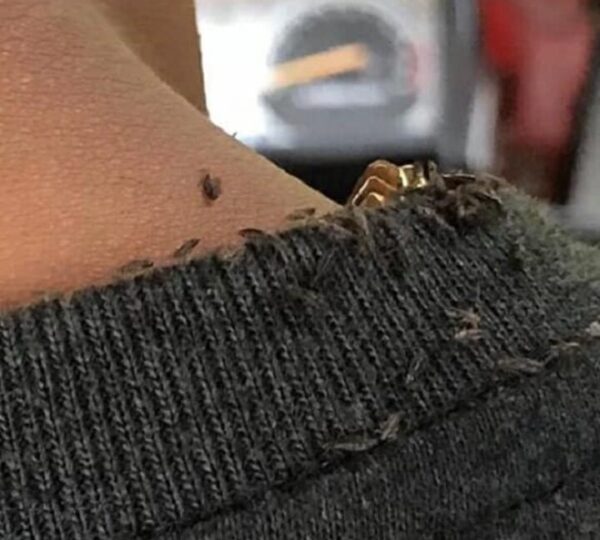
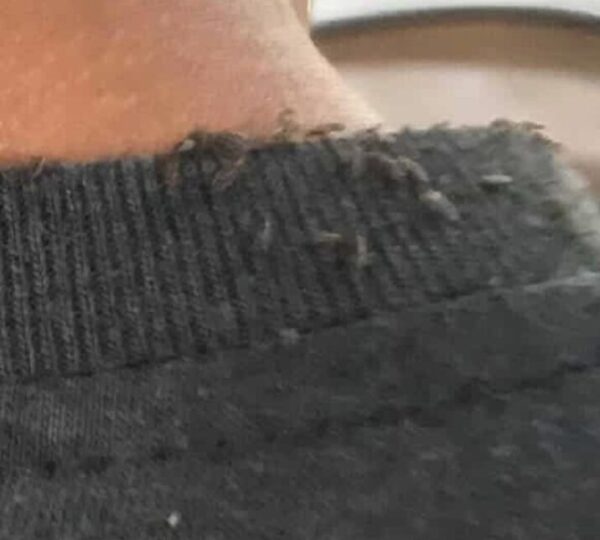
A widely shared video from 2018 drew attention after appearing to show a tricycle driver with a very heavy head lice infestation. The footage was reported by the Filipino Times after being posted on Facebook, where viewers reacted strongly to the number of lice visible around the back of the man’s neck and on his clothing. The original post was later removed, so it is difficult to independently verify every detail surrounding the clip today. What can be discussed more reliably is the medical condition itself and how head lice actually spread and are treated.
Head lice are tiny parasitic insects that live close to the scalp and feed on small amounts of human blood. They are known medically as Pediculus humanus capitis. Adult lice move by crawling and cannot jump or fly. They attach to the hair and scalp, while their eggs, commonly called nits, are usually laid close to the scalp where conditions are warm enough for them to develop.
One of the most important facts is that head lice are not a sign of poor hygiene. People can get lice whether their hair is clean or dirty. This matters because infestations are often surrounded by unnecessary shame, and people may wrongly assume that someone has failed to wash properly. In reality, lice spread mainly because of close contact between people, especially head-to-head or hair-to-hair contact.
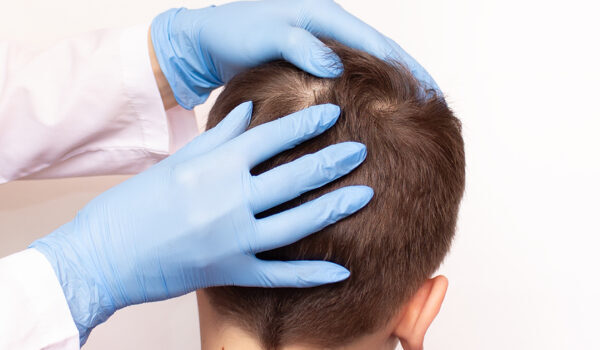
Head lice are particularly common among children, families and people who spend time in close physical proximity. They can occasionally be transferred through shared personal items, but direct head-to-head contact is considered the main route. Lice do not normally spread by simply being in the same room with someone, and they do not jump across seats or fly through the air.
The severe infestation shown in the viral clip appeared unusual compared with the cases most people experience. A heavy infestation can cause intense itching and repeated scratching, which may damage the scalp. When the skin is broken, bacteria can sometimes enter and cause a secondary infection. This is one reason persistent or severe infestations should be treated rather than ignored.
The itching itself is usually caused by a reaction to lice bites. Some people develop symptoms quickly, while others may have lice for a period of time before noticing anything. In addition to itching, people may feel a crawling sensation, notice insects moving through the hair or see small eggs attached close to the scalp.
Extremely heavy infestations have occasionally been linked in medical reports to anemia, because lice repeatedly feed on blood. However, that is considered an unusual complication and should not be presented as something that normally happens to everyone with head lice. Most cases are uncomfortable and frustrating rather than medically dangerous.
Treatment depends on the individual situation and the products available where someone lives. Options may include wet combing with a fine-toothed lice comb, over-the-counter treatments or prescription medications. It is important to follow the instructions carefully, because some treatments may need to be repeated to kill lice that hatch after the first application.
Using more treatment than recommended is not necessarily better. Combining several lice products at the same time can also irritate the scalp or create unnecessary exposure to chemicals. If a standard treatment does not work, it is better to ask a pharmacist or healthcare professional for advice rather than repeatedly applying different products without guidance.
Wet combing can also be useful. This method involves carefully working through damp hair with a fine lice comb to remove live insects and eggs. It requires patience, but it can be effective when done properly and repeated according to instructions.
Household members and other close contacts should also be checked if someone is found to have live lice. This does not mean everyone needs treatment automatically. Treatment is generally focused on people who actually have an active infestation, while others can be monitored.
There is usually no need to disinfect an entire home aggressively. Head lice depend on the human scalp for survival and generally do not live long after falling away from a host. Bedding, clothing and recently used personal items can be cleaned appropriately, but intensive spraying of furniture or rooms is usually unnecessary.
Combs and brushes can also be cleaned, and vacuuming areas where the affected person has recently rested can be reasonable. The most important part of treatment, however, remains dealing with the lice on the scalp. Spending large amounts of time treating furniture while neglecting the person’s hair is unlikely to solve the infestation.
Dangerous home remedies should be avoided. Household insecticides, flammable liquids and harsh chemicals should never be applied to the scalp. Products designed to kill pests in a home are not safe substitutes for treatments made for people.
Another misconception is that someone must shave their head to eliminate lice. In most cases, this is not necessary. Head lice can usually be treated successfully without cutting off the hair.
The emotional side of an infestation should not be ignored either. People can feel embarrassed and may avoid telling others because they fear being judged. That can make the problem harder to control, especially if close contacts do not know they should check themselves.
The viral video also raised discussion because the person shown worked as a driver and interacted with many passengers. However, simply being a driver, passenger or commuter does not automatically create a high risk of transmission. Head lice usually need direct head-to-head contact, so casual contact in a vehicle or public space is much less likely to spread them.
The most appropriate response to a severe infestation is not ridicule. It is treatment, accurate information and, when necessary, medical care. If the scalp becomes very inflamed, develops signs of infection, or if repeated treatment does not work, a healthcare professional can help determine the next step.
A pharmacist can often provide useful guidance about available treatments and how to use them correctly. A doctor or dermatologist may be appropriate when the infestation is unusually severe, when the diagnosis is uncertain or when there are complications.
It is also important to avoid assuming that every white speck in the hair is a nit. Dandruff, dried hair products and other debris can sometimes resemble lice eggs. Live lice are the clearest evidence of an active infestation, and a professional can help confirm the diagnosis when there is uncertainty.
For parents, schools and families, a calm response is usually more effective than panic. Children should not be made to feel ashamed or dirty because they have lice. The focus should be on treatment, checking close contacts and preventing reinfestation.
In most cases, head lice can be managed successfully with appropriate care. The condition is unpleasant, but it is common and treatable. Severe cases deserve attention, yet dramatic language can make the problem seem more frightening than it usually is.
The 2018 video was memorable because the infestation appeared extreme, but the broader lesson is simple. Head lice spread mainly through close head-to-head contact, they are not caused by being unclean, and they can usually be treated effectively.
Accurate information is especially important when viral videos are involved. A shocking image can attract attention quickly, but it may also encourage exaggerated claims. Keeping the discussion factual helps people understand the real risks and the practical steps that can actually help.
Ultimately, anyone dealing with head lice should focus on identifying live lice, using an appropriate treatment, checking close contacts and seeking medical advice when the situation is severe or persistent. Treating the person with dignity is just as important as treating the infestation itself.

