
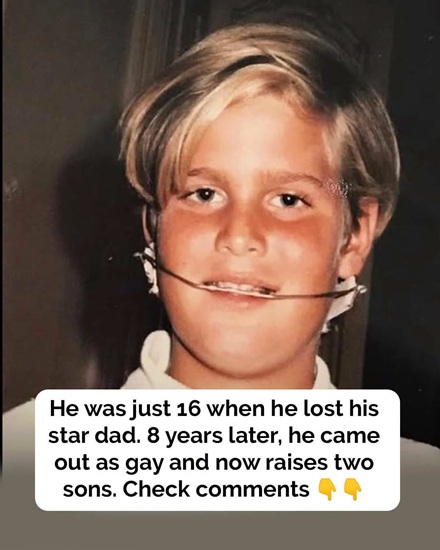
Michael Landon was one of the most familiar faces on American television for several decades. The actor, writer, director and producer became famous as Little Joe Cartwright on Bonanza, later portrayed Charles Ingalls on Little House on the Prairie, and eventually starred as Jonathan Smith in Highway to Heaven. His work made him closely associated with family-centered television, and many of his programs continued reaching audiences long after their original broadcasts. Landon’s life, however, ended at only 54 years old when he died from pancreatic cancer on July 1, 1991.
Away from television, Landon was the father of a large family. Across three marriages, he became a parent to nine children through biological and adoptive relationships: Mark, Josh, Cheryl, Leslie, Michael Jr., Shawna, Christopher, Jennifer and Sean. His children grew up with the unusual experience of having a father recognized by millions of television viewers. Yet behind that public image, they knew him simply as a parent, making his sudden illness and death a deeply personal event that affected each member of the family differently.
Landon learned in 1991 that he had pancreatic cancer, and the diagnosis was particularly serious because the disease had already spread. He publicly acknowledged his condition rather than completely withdrawing from public view. He expressed determination to fight the illness and pursued medical treatment while also making changes to his lifestyle and diet. Despite those efforts, the cancer progressed rapidly. Only about three months separated the public disclosure of his diagnosis from his death, leaving his family with relatively little time to adjust to what was happening.
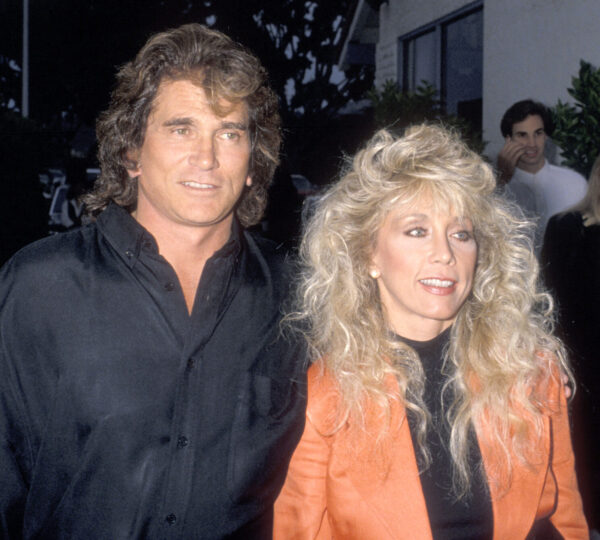
As his condition deteriorated, Landon spent more time at home surrounded by the people closest to him. His wife, Cindy Landon, remained with him during his final period, while his children were given opportunities to be near their father and say goodbye. The final weeks shifted attention away from the television personality known around the world and toward a family confronting an approaching loss. Landon died at his home in Malibu, California, on July 1, 1991, bringing an unexpectedly early end to a career that had lasted more than three decades.
Christopher Landon Faced the Loss as a Teenager
Among the children trying to understand the situation was Christopher Landon, who was only 16 when his father died. At that age, Christopher was still navigating school and adolescence when his family’s circumstances suddenly changed. He later recalled how shocking it was to discover that his father had a potentially terminal illness. The speed of the disease made the experience particularly difficult because the family did not have years to prepare for the possibility of losing him.
Christopher later described learning about his father’s diagnosis after what had otherwise been an ordinary and positive day. The contrast between normal teenage concerns and devastating family news remained vivid in his memory. Suddenly, matters such as school and everyday routines became secondary to the reality that his father was seriously ill. For a teenager who had known Michael as an energetic and constantly working figure, seeing his health deteriorate so quickly was a major emotional adjustment.
As Michael became weaker, his family increasingly understood that treatment was unlikely to produce the recovery they hoped for. The children faced the situation according to their different ages, personalities and relationships with their father. Christopher was particularly young compared with several of his siblings, meaning there were many adult conversations and experiences with his father that would never happen. That absence became something he continued thinking about long after Michael’s death.
In the months that followed, Christopher gradually became more willing to discuss his grief. Losing a parent during adolescence changed the way he thought about both life and mortality. He spoke about missing his father while also recognizing that grief could not prevent him from moving forward. Rather than allowing the loss to define everything that followed, Christopher eventually tried to use the experience as motivation to live more openly and pursue a life that felt authentic to him.
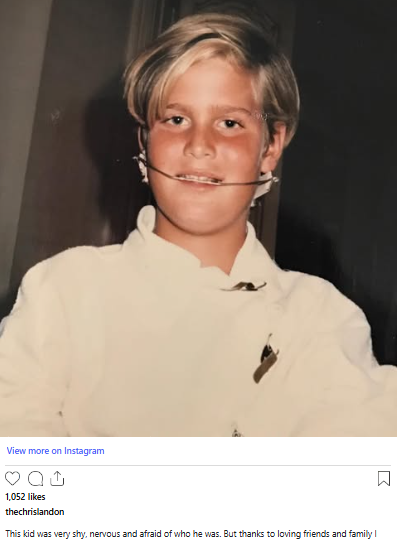
Discovering His Own Identity
One significant part of that journey involved Christopher’s sexuality. As he grew older, he came to understand that he was gay, but being the son of Michael Landon created additional concerns about discussing his identity publicly. His father had been strongly associated with wholesome, family-oriented television through programs such as Little House on the Prairie. Christopher worried that some people might sensationalize his sexuality or unfairly connect it with his father’s public image.
Those fears reflected the cultural environment of the period as well as the pressures of belonging to a famous family. Christopher did not want his identity turned into a headline designed to mock either him or his father’s television legacy. At the same time, concealing an important part of himself conflicted with the commitment he had made after Michael’s death to live his life fully. Eventually, Christopher decided that being open about who he was mattered more than trying to control how strangers might react.
Christopher publicly came out as gay in 1999. His decision represented an important stage in establishing an identity independent of his father’s fame. Although he remained Michael Landon’s son, he was also becoming an adult with his own relationships, ambitions and experiences. Coming out allowed him to stop organizing his life around fears of public judgment and instead focus on building the future he wanted.
Discussing his sexuality with family members was also an emotional process. Christopher has spoken about his concerns over how some relatives might respond because of their personal or religious beliefs. His mother’s initial reaction included strong emotions and questions, but their relationship eventually moved toward greater understanding and acceptance. Other family members also proved more supportive than Christopher had once feared.
What Michael May Have Already Understood
One particularly meaningful revelation came after Michael was no longer alive. Christopher later said that Cindy Landon told him his father had apparently suspected that he might be gay. According to Christopher’s account, Michael had expressed the belief that his son would eventually understand that part of himself without needing to be confronted or pressured about it.
For Christopher, learning about that conversation carried considerable emotional significance. Michael had died before his son was ready to discuss his sexuality directly with him, meaning Christopher could never personally hear how his father would have responded. Knowing that Michael may already have understood helped provide some reassurance about a conversation they never had the opportunity to share.
Christopher has also suggested that the public sometimes misunderstood his father because audiences closely associated Michael with the traditional characters he portrayed. Charles Ingalls, for example, became one of television’s most recognizable father figures. But an actor’s fictional roles do not necessarily represent all of his personal beliefs. Christopher’s recollections have presented Michael as more complicated and, in certain respects, more open-minded than some viewers might have assumed.
That distinction became important as Christopher developed his own understanding of his father. Instead of judging Michael entirely through his television image, he could remember him as an individual with private opinions, strengths, imperfections and family relationships. The difference between Michael Landon the celebrity and Michael Landon the father became clearer as Christopher grew older.
Creating a Career of His Own
Christopher ultimately followed his father into entertainment, although he chose a very different creative path. Rather than becoming primarily a television actor, he established himself as a screenwriter, producer and director. His career became particularly associated with horror and genre films, including work connected with the Paranormal Activity franchise and movies such as Happy Death Day and Freaky.
Working largely behind the camera allowed Christopher to establish an identity that did not simply imitate Michael’s career. His father had been known for Westerns and emotional family dramas, while Christopher developed a distinctive style combining horror, suspense, comedy and unconventional storytelling. The difference helped demonstrate that continuing a family connection to filmmaking did not require repeating the previous generation’s accomplishments.
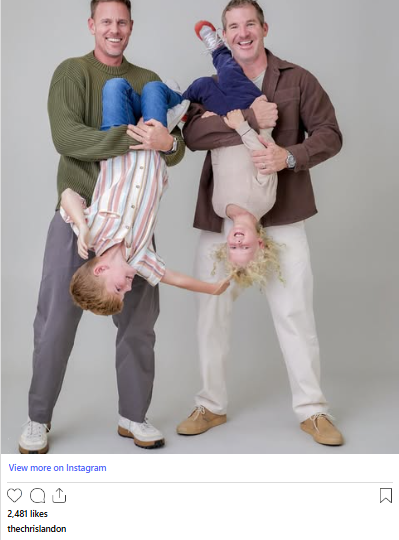
Christopher also eventually built a family of his own. Becoming a parent added another dimension to the way he viewed Michael’s absence. His father never had the opportunity to see the adult Christopher became or experience the later chapters of his son’s life. Nevertheless, Christopher has continued discussing Michael’s influence decades after his death, showing how strongly the relationship remained part of his personal history.
Michael’s other children also followed different paths after losing their father. Some entered entertainment, while others pursued lives largely outside the public spotlight. Their experiences underline an important reality about famous families: although the public may collectively mourn a celebrity, family members experience the loss in a fundamentally different and much more personal way.
A Television Legacy That Continues
Michael Landon’s professional legacy remains substantial. Bonanza turned him into a major television star, while Little House on the Prairie demonstrated his growing influence behind the camera as well as in front of it. Landon was heavily involved in writing, directing and producing, giving him considerable creative influence over the programs with which he became associated.
Highway to Heaven provided another major chapter in his career. The series again allowed Landon to explore stories involving compassion, relationships and difficult life circumstances. Together, his best-known programs created a television identity strongly connected with emotional storytelling and themes of family and humanity.
Former colleagues have remembered Landon as energetic, humorous, demanding and deeply involved in production. Like many people who achieve long careers in entertainment, he was a complicated individual whose real personality cannot be reduced to the characters he played. His family history also included difficult periods and major changes that existed alongside his extraordinary professional success.
For Christopher, remembering his father therefore does not require presenting him as a flawless television hero. His memories instead describe a real relationship interrupted much earlier than either father or son could have expected. Michael died before Christopher reached adulthood, before his filmmaking career began, and before many important milestones in his personal life.
More than three decades after Michael Landon’s death, his television work continues to introduce him to audiences who were not alive during the original broadcasts of his most famous shows. At the same time, Christopher has created a successful career and family life independent of the enormous reputation attached to the Landon name.
Their story ultimately extends beyond Hollywood fame. It is about a teenager losing his father, gradually processing that grief, learning to accept himself and choosing to build an independent future. Michael Landon’s death at 54 ended one remarkable career far too early, but the experiences of the family he left behind demonstrate how a person’s influence can continue through the lives and choices of the people who knew him most personally.

