
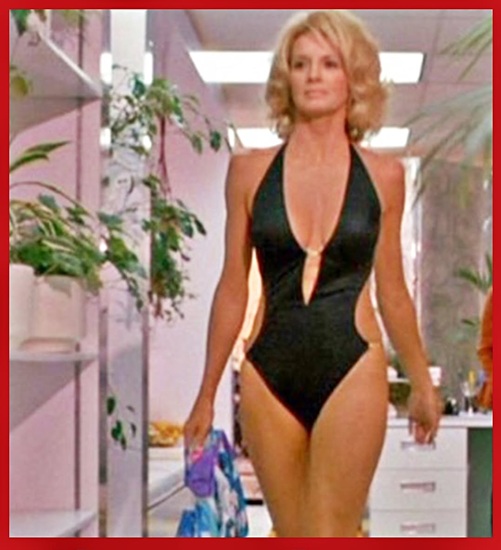
Few actresses have left as lasting an impression on Hollywood as Angie Dickinson. Throughout a career that spanned several decades, she became known for her memorable performances, remarkable professionalism, and ability to succeed in both film and television during an era when opportunities for women in leading roles were far more limited than they are today. Although many people remember her for her glamorous screen presence, Dickinson’s story is equally defined by perseverance, dedication, and the personal challenges she faced away from the spotlight.
Born Angeline Brown on September 30, 1931, in Kulm, North Dakota, Dickinson spent much of her childhood in California after her family relocated. Like many aspiring performers of her generation, she did not become a Hollywood star overnight. Her path into entertainment began with television appearances and local competitions before she gradually earned opportunities to work alongside experienced actors and directors. Those early years helped her build the confidence and experience that would later define her successful career.
During the 1950s, Dickinson appeared in numerous television anthology programs, where she gained valuable experience performing a wide variety of roles. Each appearance allowed her to develop her acting skills while becoming more familiar to audiences and casting directors. These early performances laid the foundation for what would become one of the most respected careers in American entertainment.
Her breakthrough came with the western film Rio Bravo in 1959, where she starred alongside John Wayne and Dean Martin. The film was both a commercial success and a critically praised production, introducing Dickinson to a much wider audience. Her performance earned her the Golden Globe Award for New Star of the Year, establishing her as one of Hollywood’s most promising actresses. From that point forward, she became a familiar face in major film productions throughout the 1960s and 1970s.
Over the following years, Dickinson demonstrated impressive versatility by accepting roles across multiple genres. Whether appearing in westerns, thrillers, dramas, or romantic comedies, she consistently delivered performances that showcased both confidence and emotional depth. Films such as Jessica, The Chase, The Killers, The Art of Love, The Outside Man, Pretty Maids All in a Row, and the original Ocean’s 11 remain important parts of her filmography and continue to be appreciated by classic movie enthusiasts today.
While her film career was highly successful, many viewers remember Dickinson most for her starring role in the television series Police Woman. Premiering in 1974, the series featured her as Sergeant Suzanne “Pepper” Anderson, making her one of the first actresses to lead a network television drama centered on law enforcement. The program quickly became one of the most popular television series of its time and introduced millions of viewers to a female lead in a role that had traditionally been portrayed by men.
The success of Police Woman extended beyond television ratings. Over the years, Dickinson shared that many viewers contacted her to explain how her character had encouraged them to consider careers in law enforcement or public service. Although she often explained that she never viewed herself as a spokesperson for any movement, she recognized that positive representation on television could inspire audiences in meaningful ways.
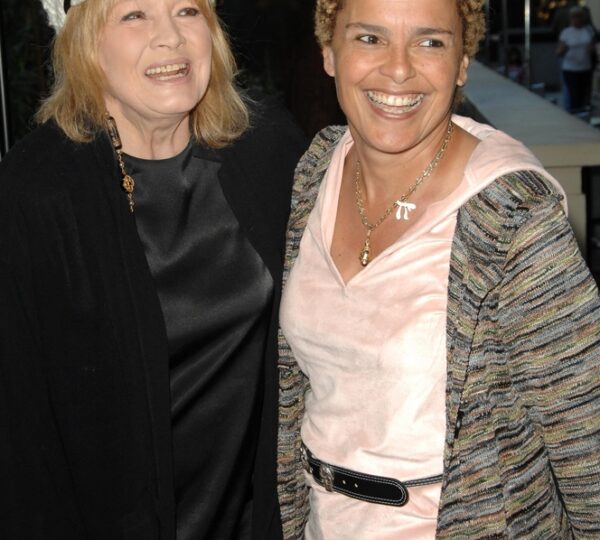
In later interviews, Dickinson reflected honestly on the demanding schedule required to produce a successful weekly television series. Filming more than twenty episodes every season required long working hours and constant preparation. She admitted that accepting the role initially felt overwhelming because she understood the level of commitment it would require. Looking back, she described the experience as rewarding while also acknowledging the physical and emotional demands that accompanied such a successful production.
Dickinson also discussed how television storytelling has changed over the decades. She observed that modern crime dramas often present more realistic consequences and more complex narratives than productions created during the 1970s. Rather than criticizing her own work, she simply recognized that audience expectations and industry standards naturally evolve over time.
Throughout her career, Dickinson earned a reputation as a dependable and dedicated professional. Directors appreciated her preparation, fellow actors respected her work ethic, and audiences admired her ability to portray strong yet relatable characters. While Hollywood frequently emphasized glamour, Dickinson demonstrated that lasting success depended just as much on talent, discipline, and consistency.
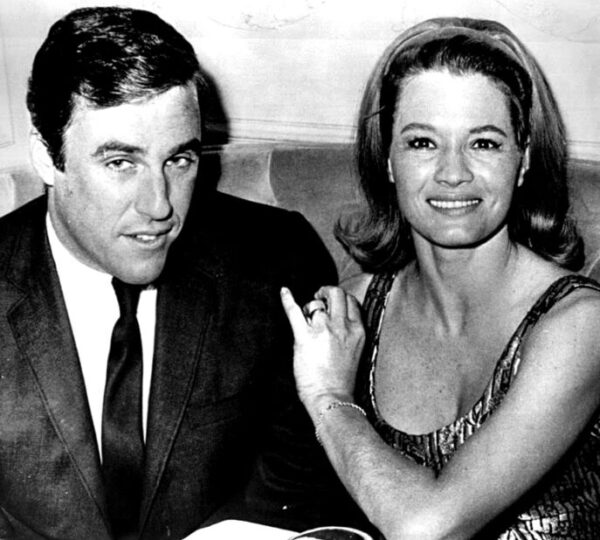
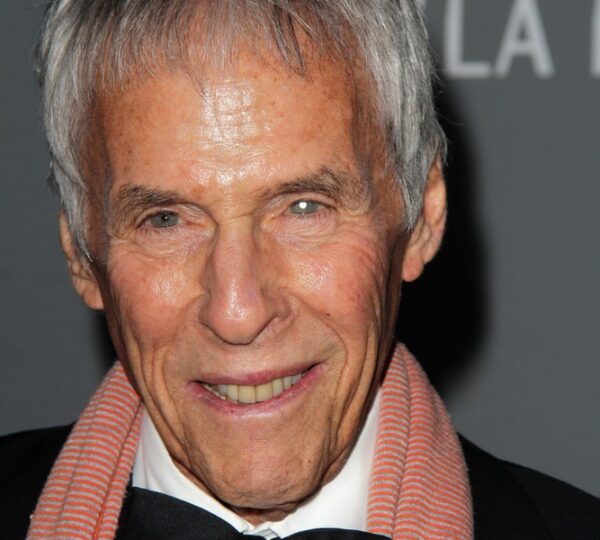
Her personal life also attracted public attention over the years. After her first marriage ended, Dickinson married acclaimed composer Burt Bacharach in 1965. Together they welcomed their daughter, Nikki, who was born prematurely in 1966. Years later, Dickinson publicly shared that Nikki had been diagnosed with Asperger syndrome, now recognized as part of the autism spectrum. Throughout Nikki’s life, Dickinson devoted much of her time to supporting her daughter and often chose family responsibilities over professional opportunities.

