
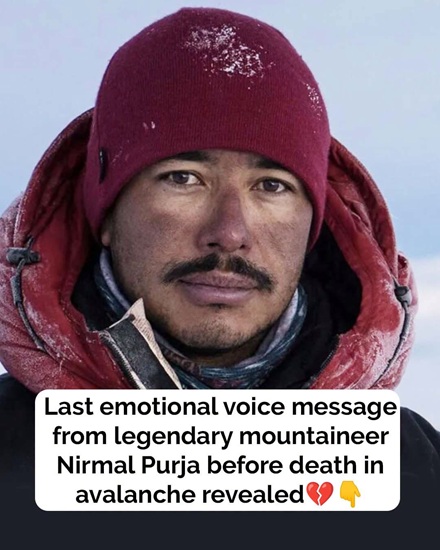
The international mountaineering community is mourning the loss of British-Nepali climber Nirmal “Nimsdai” Purja, whose body was recovered after a deadly avalanche on Broad Peak in northern Pakistan. Purja, 43, was leading an expedition on one of the world’s highest mountains when the avalanche struck around midday on July 30, turning what had been another ambitious climbing mission into a devastating tragedy.
His death has prompted tributes from fellow climbers, friends, and admirers around the world, many of whom credit him with changing modern high-altitude mountaineering through his remarkable achievements, leadership, and willingness to help others in some of the planet’s most dangerous environments. According to the Alpine Club of Pakistan, Purja’s body was recovered at an altitude of approximately 5,700 meters (18,700 feet).
Rescue teams also located three additional bodies during the search operation, although officials said their identities had not yet been publicly confirmed. The recovery followed several difficult days of search efforts in challenging mountain conditions. Avalanches, unstable snow, and unpredictable weather often make rescue operations in the Karakoram Range extremely dangerous, requiring experienced teams to work under significant risk while navigating steep terrain.

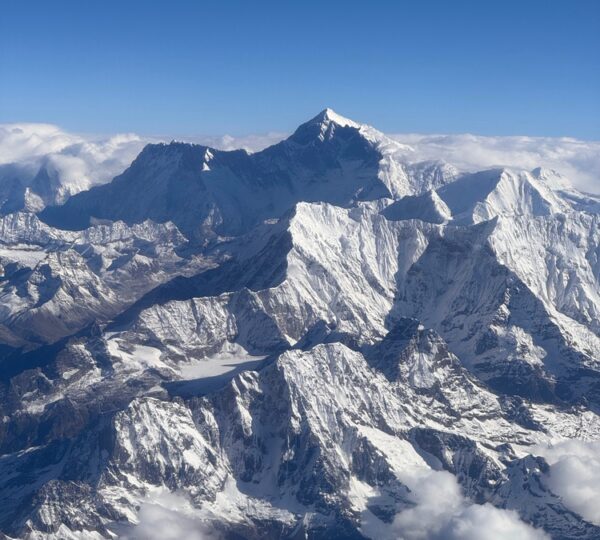
Broad Peak, standing at 8,051 meters (26,414 feet) above sea level, is the world’s twelfth-highest mountain and is located in Pakistan’s Karakoram mountain range, close to K2. Although Broad Peak is considered one of the more accessible 8,000-meter mountains from a technical standpoint, it remains an extremely demanding climb. Mountaineers attempting its summit must contend with freezing temperatures, rapidly changing weather, avalanche hazards, thin air, and the physical effects of extreme altitude. Every climbing season reminds adventurers that even the world’s most experienced alpinists face significant risks in these environments.
Purja had built an extraordinary reputation over the past decade through a series of historic accomplishments. Before becoming a full-time mountaineer, he served for 16 years in the British military, including approximately a decade with the United Kingdom Special Forces. His military experience helped develop the discipline, endurance, and mental resilience that later became defining characteristics of his climbing career. Those qualities earned him widespread respect among fellow climbers, guides, and expedition leaders throughout the international mountaineering community.
In 2019, Purja captured worldwide attention after completing what many considered nearly impossible. During his Project Possible expedition, he successfully climbed all 14 mountains higher than 8,000 meters in only 189 days, breaking the previous record by more than seven years. The achievement demonstrated not only extraordinary physical endurance but also meticulous planning, teamwork, and determination. His journey introduced millions of people to high-altitude mountaineering and inspired audiences far beyond the climbing community.
His remarkable accomplishment later became the subject of the Netflix documentary “14 Peaks: Nothing Is Impossible.” The film chronicled not only his record-breaking expedition but also the logistical challenges, difficult weather conditions, rescue efforts, and personal sacrifices involved throughout the project. The documentary helped bring greater public attention to Nepalese climbers, many of whom have long played essential roles in Himalayan expeditions while receiving comparatively little international recognition for their expertise and contributions.
Before the avalanche, Purja remained focused on another ambitious objective. According to messages he shared publicly, he had originally planned to climb Gasherbrum II, but after reviewing his climbing record, he realized that summiting Broad Peak would leave only Cho Oyu remaining before completing another historic milestone. His goal was to become the first person in history to climb all fourteen 8,000-meter peaks twice without supplemental oxygen, a feat that would represent another remarkable chapter in modern mountaineering history.
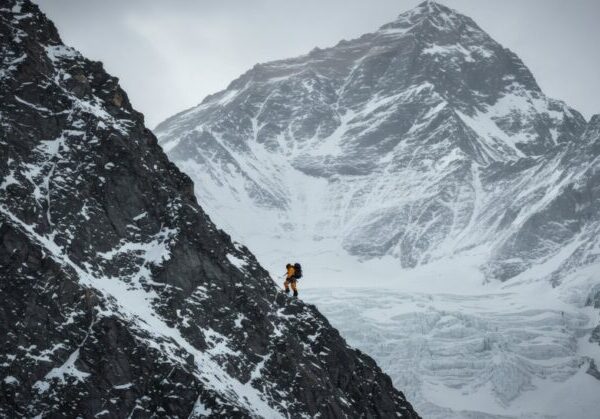
While at Camp 2 on Broad Peak, Purja recorded what is now believed to be one of his final voice messages. Speaking to journalist Vishnu Som, he explained that he was preparing for what he described as his 58th ascent of an 8,000-meter peak. He mentioned checking weather forecasts before continuing the climb and said he planned to reconnect after reaching the summit. The message reflected the calm, focused approach that many people associated with Purja throughout his climbing career, even while operating in one of the world’s most demanding environments.
Around the same time, Purja shared what became his final Instagram post. In it, he reflected on how the Broad Peak climb had not originally been part of his plans but had become an opportunity that aligned with his long-term objectives. He wrote about continually challenging himself rather than comparing his achievements with others, emphasizing that his greatest competition had always been the person he had been the previous day. The message also acknowledged criticism he had faced throughout his career while reaffirming his determination to remain focused on his own goals.
Following the avalanche, Elite Expeditions, the company founded by Purja, confirmed the heartbreaking news that he had died during the expedition. The company also announced that several other members of the team had lost their lives. In its public statement, Elite Expeditions expressed condolences to every family affected by the tragedy and specifically remembered Purja alongside trusted climbing partners and guides Pur Bahadur Gurung (Yukta) and Nima Sherpa. The company asked the public to respect the privacy of grieving families during an extraordinarily difficult time.
News of the tragedy prompted an outpouring of tributes from around the world. Television personality and adventurer Spencer Matthews, who had previously worked alongside Purja while searching for the remains of his brother Michael Matthews on Mount Everest, shared a heartfelt message before Purja’s body was recovered. Matthews described mountains as places of incredible beauty that also demand profound respect from everyone who ventures into them. He expressed sympathy for every family affected by the disaster and said he hoped those still missing at the time would somehow be found.
British adventurer Bear Grylls also honored Purja’s memory through a public tribute, describing him as a remarkable individual whose determination inspired countless people. Like many others, Grylls reflected on Purja’s extraordinary spirit and lasting impact on the global climbing community. Messages of remembrance also appeared across social media from mountaineers, expedition companies, athletes, and supporters who admired both his accomplishments and his willingness to assist fellow climbers during difficult situations.
Although Nirmal Purja’s life ended in one of the environments he loved most, his legacy extends far beyond records and summit statistics. Through his achievements, leadership, and commitment to pushing the boundaries of human endurance, he inspired a new generation of climbers while helping bring greater recognition to Nepalese mountaineers on the world stage.
His story also serves as a reminder of the immense risks that accompany high-altitude climbing, where experience and preparation can reduce danger but can never eliminate it entirely. As the mountaineering community reflects on his remarkable career, Purja will be remembered not only for the mountains he climbed but also for the determination, courage, and dedication that defined his journey.

