
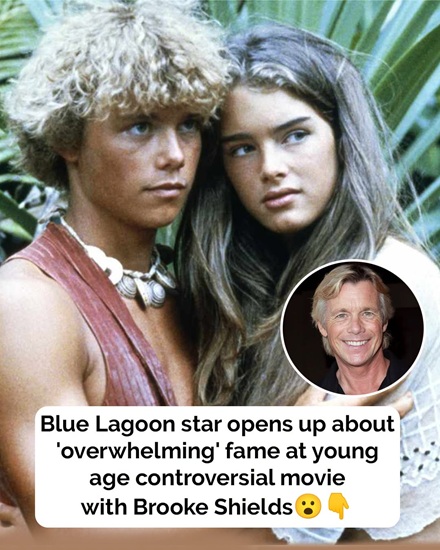
Christopher Atkins has spent decades looking back on a career that began with extraordinary success at an unusually young age. Best known for starring alongside Brooke Shields in the 1980 film The Blue Lagoon, Atkins recently shared new reflections about the rapid rise to fame that transformed his life almost overnight. Speaking during a question-and-answer session at Fanboy Expo Knoxville in Tennessee, the actor discussed the excitement, pressure, and difficult personal choices that shaped his early years in Hollywood.
His comments offered audiences an honest look at how unexpected success can bring both remarkable opportunities and lasting challenges. Before becoming a recognizable face around the world, Atkins had never imagined himself pursuing an acting career. His ambitions were focused on baseball, and he has said that professional sports—not film—represented his childhood dream.
Modeling eventually introduced him to opportunities in entertainment, but acting was never part of a carefully planned career path. According to Atkins, he knew virtually nothing about filmmaking when he was repeatedly invited to audition for a new adventure drama that would ultimately change his future in ways he could never have predicted. That project was The Blue Lagoon, directed by Randal Kleiser and released in 1980.
The film follows two young people who grow up on an isolated tropical island after surviving a shipwreck. While the movie became commercially successful and attracted worldwide attention, it also generated significant public discussion because of its themes and the young ages of its leading actors. Over the years, the film has remained one of the most frequently discussed productions of its era, remembered both for its visual style and for the conversations it sparked among critics and audiences alike.
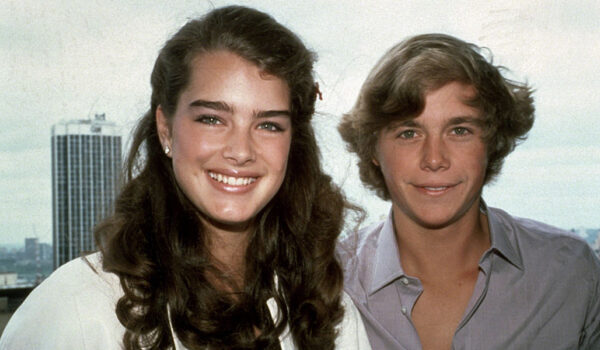
Atkins has recalled arriving on the production with almost no understanding of how movie sets operated. During his recent appearance, he explained that he did not even know basic filmmaking terminology before landing the role. Traveling to Fiji for filming represented an enormous life change for a teenager who had little experience outside modeling. Surrounded by professional filmmakers, cameras, and an international production team, he found himself learning the craft while simultaneously carrying the responsibility of leading a major motion picture.
When The Blue Lagoon reached theaters, the response was immediate. The film’s commercial performance introduced Christopher Atkins to millions of moviegoers around the world. Magazine covers, interviews, television appearances, and public recognition quickly became part of his everyday life. Atkins described the transition as almost impossible to prepare for, explaining that he went from being virtually unknown to seeing his face displayed in stores and entertainment publications across the country within a remarkably short period.
The actor has often described how sudden fame can create emotional and practical challenges, especially for someone entering adulthood. Young performers frequently experience dramatic changes in their daily routines, relationships, and expectations. Public attention increases rapidly, while opportunities expand at a pace that can be difficult to manage without experienced guidance. Atkins suggested that the speed of his success made it challenging to maintain balance as new career opportunities appeared alongside increasing personal pressures.
Reflecting on those years, Atkins acknowledged that the excitement surrounding his career also coincided with a period of excessive partying and alcohol use. Rather than portraying those experiences as glamorous, he has spoken openly about them as mistakes that affected important professional decisions. His willingness to discuss this chapter publicly has become part of a broader message about accountability, personal growth, and the value of long-term recovery.
One of the stories Atkins shared involved the production of Footloose, the 1984 musical drama that would eventually become one of the defining films of the decade. According to his account during the Fanboy Expo discussion, he had advanced to the point where filmmakers wanted one final meeting before moving ahead. Looking back, he believes his personal circumstances at the time prevented him from making the impression that the studio expected.
Atkins recalled that he had been drinking before the scheduled meeting and initially hesitated to attend because he recognized he was not in the right condition. Nevertheless, he decided to go after being told that the filmmakers wanted to see him. Years later, he has described the encounter as one of the most significant missed opportunities of his career, saying that he failed to present himself professionally despite being close to securing the role.
According to Atkins, the meeting ended with the production moving in a different direction. The part ultimately went to Kevin Bacon, whose energetic performance helped make Footloose an enduring cultural success. Bacon’s portrayal of Ren McCormack became one of the defining roles of his career, while the film itself earned lasting popularity through its music, dance sequences, and coming-of-age story. Atkins has never suggested that the decision was unfair, instead presenting it as a consequence of his own actions during that period of his life.
Today, however, Christopher Atkins emphasizes a very different chapter of his personal story. During his appearance, he noted that he is approaching four decades of sobriety, describing that achievement as one of the accomplishments he values most. Rather than focusing exclusively on opportunities that slipped away, he has increasingly spoken about recovery, personal responsibility, and appreciating the lessons learned throughout a career that has included both remarkable successes and significant setbacks.
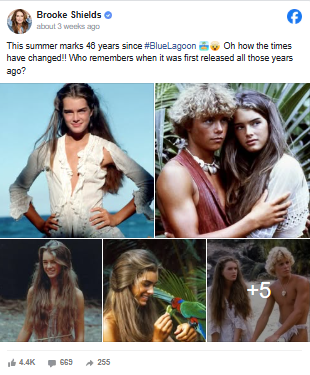
His reflections have resurfaced at a time when The Blue Lagoon has once again entered public conversation. Brooke Shields recently discussed the film on her podcast, Now What? With Brooke Shields, where she reflected on how dramatically the production altered the lives of its young stars. Shields explained that neither she nor Atkins could have anticipated the extraordinary attention that followed the film’s release, describing the years afterward as a period of overwhelming change that affected nearly every aspect of their lives.
Atkins agreed with that assessment during their conversation, observing that very few performers experience such an immediate breakthrough at the beginning of their careers. Looking back decades later, both actors have spoken less about celebrity itself and more about the unusual circumstances surrounding their early success. Their reflections provide insight into the realities of growing up in the public eye, illustrating how rapid fame can bring extraordinary opportunities while also presenting challenges that continue to shape a person’s life long after the cameras stop rolling.
As audiences have revisited The Blue Lagoon in recent years, many have become interested not only in the film itself but also in the experiences of the actors who were at the center of its success. Christopher Atkins has approached those conversations with a perspective shaped by decades of personal and professional growth. Rather than focusing only on the excitement of becoming famous, he has openly discussed both the rewards and the difficulties that accompanied such an unexpected rise in Hollywood. His reflections offer a reminder that public recognition often comes with pressures that are not immediately visible to audiences watching from afar.
Brooke Shields has shared similar thoughts while looking back on the production. During a recent episode of her podcast, she recalled that neither she nor Atkins fully understood how dramatically their lives would change after the film’s release. According to Shields, the years that followed were unlike anything she could have anticipated as a young teenager entering the entertainment industry. Her comments echoed Atkins’ own observations that rapid success can create challenges just as significant as the opportunities it brings, especially for performers who experience international recognition early in life.
During their conversation, Atkins reflected on how unusual it was for two young actors with relatively little experience to become part of a film that continued attracting attention decades after its original release. He noted that many aspiring performers spend years working toward a breakthrough role, while he found himself achieving worldwide recognition almost immediately after entering the industry. Looking back now, he has described that experience as something he appreciates, even while acknowledging that it came with responsibilities he was not fully prepared to manage at such a young age.
The entertainment industry has changed considerably since The Blue Lagoon premiered in 1980. Modern actors often navigate social media, instant online commentary, and twenty-four-hour news coverage in addition to traditional publicity. During Atkins’ early career, magazine covers, television interviews, and newspaper features were the primary ways audiences followed celebrities. Although the media landscape was different, the intense public attention surrounding successful young performers could still be overwhelming, particularly for individuals who had little experience living in the spotlight.
Throughout the years, Atkins has continued working in television and film while also appearing at conventions and fan events where audiences remain interested in hearing stories from his career. These appearances have provided opportunities to reflect on both memorable achievements and difficult moments with greater perspective than was possible during the height of his early fame. Fans attending these events often express appreciation not only for his performances but also for his willingness to speak honestly about personal growth, recovery, and the importance of learning from past experiences.
One of the most significant themes in Atkins’ recent public appearances has been accountability. Rather than placing responsibility on other people for opportunities that did not materialize, he has acknowledged that his own decisions contributed to important turning points in his career. His account of the Footloose opportunity illustrates that perspective. By openly discussing how alcohol affected his professional judgment, he has presented the story as a lesson about the long-term consequences that personal choices can have, particularly in highly competitive industries.
His nearly four decades of sobriety remain one of the accomplishments he highlights most often. Recovery, as Atkins has described it, represents far more than simply leaving unhealthy habits behind. It reflects years of commitment, consistency, and personal responsibility. While many interviews naturally revisit his breakthrough role or the projects that followed, he frequently emphasizes that maintaining sobriety has become one of the achievements of which he is most proud. That milestone provides an encouraging example of long-term personal change without minimizing the challenges that preceded it.
The renewed attention surrounding The Blue Lagoon has also encouraged broader discussions about how classic films are viewed through contemporary perspectives. Audiences today often examine older productions within the cultural context of the period in which they were made while also considering how standards and expectations have evolved over time. These conversations have contributed to renewed interest in the film’s production history, its commercial success, and the experiences of the cast members who participated in it during the early stages of their careers.
For Christopher Atkins, reflecting on the past appears to be less about revisiting celebrity and more about understanding the journey that followed. His recent comments suggest that time has given him the opportunity to evaluate both successes and disappointments with greater balance. While becoming an overnight star opened doors that many actors only dream about, he has acknowledged that sustaining a career required maturity and stability that he was still developing during those formative years. That perspective has become a consistent theme whenever he discusses his career publicly.
His story also highlights the unpredictable nature of the entertainment business. Careers can change direction because of a single audition, one missed opportunity, or a decision made during a pivotal moment. Atkins has never claimed that his career would necessarily have unfolded differently had he appeared in Footloose, but he has recognized that the experience became an important turning point in his personal history. Sharing that story openly allows audiences to understand the importance of preparation, professionalism, and personal responsibility in any field.
Meanwhile, Kevin Bacon’s performance in Footloose became one of the defining roles of the 1980s, helping establish him as one of Hollywood’s recognizable leading actors. Atkins’ reflections do not diminish that achievement. Instead, they provide insight into the realities of casting decisions and how circumstances can influence career paths in ways that are often invisible to the public. Such stories demonstrate that the entertainment industry is shaped by timing, preparation, and countless individual decisions behind the scenes.
Looking back more than four decades after The Blue Lagoon premiered, Christopher Atkins continues to approach his experiences with openness and perspective. His comments during public appearances and conversations with Brooke Shields illustrate a willingness to discuss both the extraordinary opportunities and the difficult lessons that accompanied his early fame. By acknowledging his mistakes, celebrating his long-term sobriety, and expressing gratitude for the experiences that shaped his life, Atkins offers a thoughtful reflection on a remarkable career that continues to interest audiences many years after his first appearance on the big screen.

