
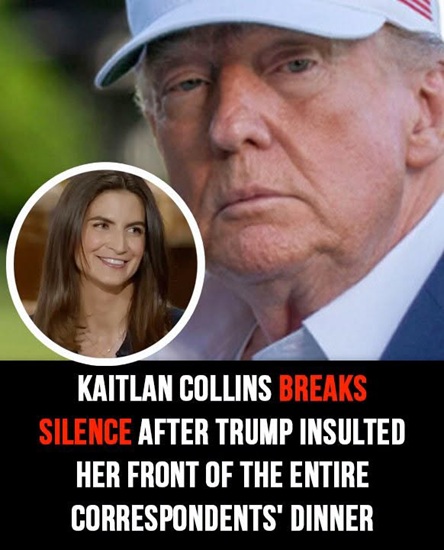
The 2026 White House Correspondents’ Association Dinner once again became a major topic of national conversation, not only because of the journalism awards presented during the evening but also because of remarks made by President Donald Trump during his speech. The annual event traditionally brings together journalists, government officials, media executives, and invited guests while recognizing excellence in reporting and supporting journalism scholarships.
This year’s dinner, however, attracted additional attention after comments directed toward CNN Chief White House Correspondent Kaitlan Collins became one of the most widely discussed moments of the evening. During the ceremony, Collins received the 2026 WHCA Award for Excellence in Broadcast Journalism for her reporting on a meeting between President Trump and Ukrainian President Volodymyr Zelensky that took place in February 2025. The award recognized her reporting and coverage of a significant international news event.
Shortly afterward, President Trump referenced the award during his remarks, saying he disagreed with the recognition and making several personal comments directed toward Collins in front of the audience. According to reports from multiple news organizations, Trump questioned whether Collins deserved the award and repeated criticisms he has previously made regarding CNN. During the same portion of his speech, he also joked about Collins’ facial expression, saying she should smile more. The comments immediately became one of the most discussed moments of the dinner, generating extensive media coverage and online discussion during the following days.
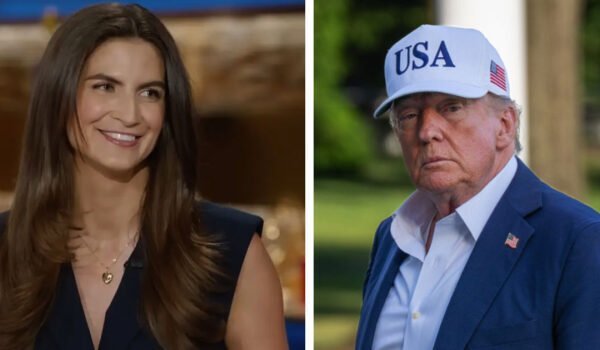
Collins did not respond publicly during the event itself. Instead, she remained seated and allowed the ceremony to continue. Many observers later noted her decision not to engage in an exchange during the dinner, while coverage of the event focused on both the president’s remarks and the significance of the journalism awards presented throughout the evening. News organizations reported that the audience reaction was noticeably restrained during portions of the speech.
Several days later, Collins addressed the incident during an appearance on The Daily Show with Jon Stewart. Reflecting on the experience, she explained that she was not surprised by the president’s remarks because, in her words, similar exchanges have occurred during White House press interactions over the years. What she found more notable, however, was the atmosphere inside the ballroom while the remarks were being delivered.
Speaking with Stewart, Collins remarked that the audience included members of the administration, cabinet officials, political allies, and members of Congress. She observed that the room was unusually quiet during that portion of the speech. Stewart jokingly asked whether the silence reflected respect for the president, to which Collins responded with a brief, lighthearted reply, saying, “Who’s to say.” Her response received attention because it acknowledged the moment without escalating the exchange.
Collins also explained why she deliberately chose not to respond while the event was taking place. She said she believes the focus should remain on journalism rather than becoming centered on personal disagreements between reporters and political leaders. According to Collins, allowing the discussion to become personal risks shifting attention away from the questions journalists are attempting to ask and the public issues they are covering.
Her comments reflected a broader philosophy she has often expressed regarding her role as a White House correspondent. Throughout her career, Collins has emphasized that journalists are responsible for asking questions on behalf of the public, regardless of which administration occupies the White House. She indicated that maintaining that focus is more important than responding to personal criticism directed at individual reporters.
Following the dinner, Collins also shared a quotation widely attributed to Eleanor Roosevelt on social media: “No one can make you feel inferior without your consent.” In the accompanying message, she wrote that one of the evening’s most meaningful aspects was the opportunity to recognize the importance of the First Amendment and the role journalists play in asking difficult questions on behalf of the public. Her post quickly attracted significant public attention and became part of the broader discussion surrounding the event.
The incident ultimately became one of the most widely reported moments from the 2026 White House Correspondents’ Dinner, highlighting the continuing tensions that can arise between elected officials and members of the news media. Regardless of differing political viewpoints, the exchange also renewed discussion about the relationship between government leaders, journalists, and the role of a free press in a democratic society.
Following the White House Correspondents’ Dinner, Kaitlan Collins’ appearance on The Daily Show with Jon Stewart became one of the most closely watched interviews discussing the event. During the conversation, Collins reflected on the remarks made about her during the dinner and explained why she chose not to respond publicly at the time. She emphasized that her priority has always been reporting the news rather than becoming the focus of political exchanges. According to Collins, maintaining that distinction helps keep public attention on journalism and the issues being covered instead of on personal disagreements.
Speaking with Stewart, Collins explained that the exchange at the dinner was not entirely unexpected from her perspective. As CNN’s Chief White House Correspondent, she has participated in numerous press briefings, Oval Office events, and presidential appearances over several years. During that time, she has frequently asked questions on a wide range of domestic and international issues. She noted that public exchanges between reporters and political leaders are part of the broader environment in which White House correspondents work, although the Correspondents’ Dinner provided a much larger audience than the Oval Office typically does.
Collins also commented on the atmosphere inside the ballroom during the president’s remarks. She observed that many members of the audience included administration officials, cabinet members, lawmakers, journalists, and invited guests. Rather than focusing on any individual reactions, she simply noted that the room was unusually quiet during that portion of the speech. Her comments avoided speculation about why audience members reacted as they did and instead described her own observations from the event.
Throughout the interview, Collins repeatedly returned to the broader role of journalism. She explained that she does not view stories like this as being about individual reporters. Instead, she said that journalists have a responsibility to continue asking questions on behalf of the public regardless of which political party or administration is in office. In her view, allowing personal exchanges to become the center of attention can distract from the larger purpose of reporting and informing audiences about issues of public interest.
After the dinner, Collins also shared a message on social media that attracted widespread attention. She posted the well-known quotation commonly attributed to Eleanor Roosevelt: “No one can make you feel inferior without your consent.” In the accompanying caption, Collins wrote that one of the evening’s most meaningful moments was celebrating the importance of the First Amendment and recognizing the role journalists play in asking difficult questions. Her post received significant public engagement and was widely reported by news organizations covering the event.
Another widely discussed portion of the evening involved remarks President Trump made about Dylan Mulvaney, a social media creator and activist. According to public reporting, Trump referenced Mulvaney during his speech while discussing previous public controversies involving advertising campaigns. Several days later, Mulvaney responded through a video posted on TikTok, where she described the remarks as reinforcing her determination to continue her work. Her response represented her personal perspective and became part of the broader public discussion surrounding the dinner.
Media analysts noted that the White House Correspondents’ Dinner has long served as a unique event where political leaders and journalists gather in the same room. While the dinner traditionally includes humor and lighthearted commentary, it also recognizes outstanding journalism through annual awards. As a result, speeches delivered during the event frequently receive extensive media coverage, particularly when they include remarks directed at well-known public figures or members of the press.
The events surrounding this year’s dinner also prompted renewed discussion about the relationship between elected officials and journalists in the United States. Political leaders and reporters often disagree sharply during press conferences and interviews, yet both play important roles within a democratic society. Journalists are responsible for gathering and reporting information, while public officials communicate government policies and respond to public questions. Respectful disagreement between those roles has historically been a feature of democratic institutions, even when exchanges become highly visible.
From a journalistic perspective, the most significant outcome of the evening was not the personal exchange itself but the broader conversation it generated about press freedom, accountability, and the role of independent reporting. Regardless of differing political opinions, news organizations across the political spectrum reported on the event because it involved both a presidential speech and a recipient of a nationally recognized journalism award. Public interest therefore extended beyond the individuals involved to larger questions about media, public discourse, and democratic institutions.
As the discussion continued in the days following the Correspondents’ Dinner, Collins maintained the position she expressed during her television interview: that the story should remain focused on journalism rather than personal criticism. Her comments reflected her view that asking questions, reporting verified information, and informing the public remain the central responsibilities of a White House correspondent. The events of the evening therefore became not only a widely discussed political moment but also a reminder of the continuing interaction between government officials and the news media in a democratic society.

