
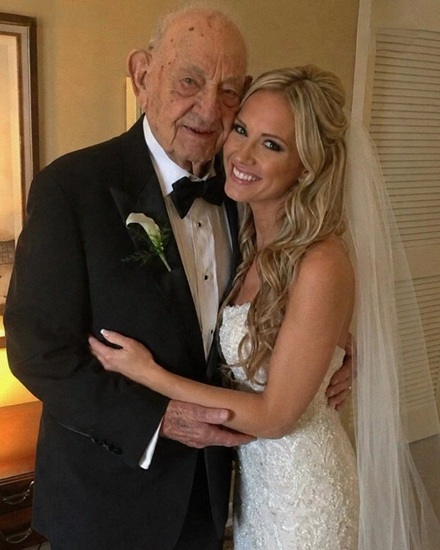
I used to believe life was a game of strategy, and I was convinced I had discovered the smartest shortcut to success. While my classmates worked overtime, climbed corporate ladders, and spoke enthusiastically about retirement accounts, I dreamed of a different future. I imagined waking up in a mansion where every need was handled by someone else, spending my afternoons overlooking perfectly manicured gardens instead of sitting under fluorescent office lights.
To many people that dream sounded unrealistic, but to me it felt like a carefully planned goal. I believed that if I married someone extraordinarily wealthy, I could skip decades of hard work and begin living the life I wanted immediately. My name is Sally, and by the time I was twenty-nine, I had already worked more jobs than I cared to count. None of them lasted very long.
Every workplace seemed to have a new reason for disappointing me. One office was too noisy, another expected employees to arrive before sunrise, while another insisted that “team spirit” meant staying late every evening without additional pay. Whenever something became uncomfortable, I convinced myself it simply wasn’t the right fit. Instead of building a career, I spent my free time browsing luxury real estate listings, studying architectural magazines, and imagining which mansion would someday become my home.
My parents worried constantly about my future. My mother kept a folder filled with job advertisements she thought I should apply for, while my father gently reminded me that financial independence offered a kind of freedom no one else could provide. They often repeated that marriage should never be viewed as a retirement plan. I listened politely every time, smiled, and quietly ignored their advice. Deep inside, I believed there had to be another path—one that required less struggle and more opportunity. I wasn’t searching for love first. If I was honest with myself, I was searching for security wrapped in luxury.
Over time I developed an unusual habit whenever I visited expensive hotels or upscale restaurants. Instead of simply enjoying the atmosphere, I observed the people around me. I noticed tailored suits, elegant watches, polished shoes, and quiet confidence. I imagined the stories behind every successful businessman dining alone or every couple arriving in chauffeur-driven cars. I convinced myself that somewhere among those dining rooms and private clubs was the person who could completely change my future. It wasn’t a plan I admitted publicly, but privately it guided nearly every decision I made.
Everything changed on an ordinary Thursday evening when I accepted an invitation from a friend to dine at one of the city’s most exclusive restaurants. Crystal chandeliers reflected warm light across polished marble floors while a pianist quietly played familiar melodies in the background. Every table seemed occupied by people discussing investments, vacations, or business opportunities. It felt like stepping into the world I had imagined for years. As I looked around the elegant dining room, one man immediately caught my attention.
He sat alone near the large windows overlooking the city skyline. His silver hair was perfectly groomed, his dark suit appeared custom-made, and a gold watch rested effortlessly beneath the cuff of his jacket. Although he was considerably older than everyone else in the restaurant, he carried himself with remarkable confidence. He wasn’t trying to impress anyone, and somehow that made him even more noticeable. There was a calmness about him that suggested decades of experience, success, and quiet certainty.
Fate—or perhaps simple coincidence—intervened moments later. A passing waiter accidentally brushed against a nearby table, causing a glass of red wine to slide dangerously toward the gentleman’s expensive-looking phone. Acting without thinking, I reached forward and caught the glass before it tipped over completely. A few drops landed on the tablecloth, but the phone remained untouched. The gentleman looked at me with genuine surprise before breaking into a warm smile. Instead of appearing annoyed by the interruption, he thanked me sincerely and invited me to sit for a few minutes while the staff cleaned the table.
That gentleman introduced himself as Walter. During our conversation I quickly learned he was seventy-eight years old, yet his energy and sharp sense of humor made age seem almost irrelevant. He asked thoughtful questions instead of dominating the conversation, listened carefully whenever I spoke, and never seemed interested in talking about himself more than necessary. We discussed books, travel, architecture, and favorite places to watch sunsets. Hours passed so naturally that I barely noticed the restaurant had begun closing around us.
Over the following weeks our conversations became more frequent. Walter never overwhelmed me with grand promises, yet small details suggested he lived an exceptionally comfortable life. A driver often arrived to collect him after dinner. His jackets fit perfectly, his shoes were handcrafted, and his stories included visits to historic villas overlooking Lake Como, private charity galas, and art exhibitions attended by internationally known collectors. He never bragged about money directly, but everything surrounding him quietly suggested extraordinary wealth. My imagination eagerly filled in the gaps.
Soon elegant bouquets of fresh roses began arriving at my apartment every Friday morning. We attended concerts in beautiful historic theaters, visited museums after closing hours, and dined in restaurants where chefs personally greeted Walter by name. Every experience seemed more luxurious than the last. Friends began asking endless questions about him, while my parents remained cautious. My mother politely wondered whether the relationship was moving too quickly, and my father encouraged me to understand Walter’s character rather than becoming distracted by appearances.
I appreciated their concern, yet I believed they misunderstood what I saw. Walter wasn’t simply wealthy—he appeared thoughtful, generous, and genuinely interested in me. He remembered small details from earlier conversations, surprised me with books by my favorite authors, and encouraged me whenever I talked about dreams I had never shared with anyone else. Although I privately imagined the extraordinary future his lifestyle represented, I also found myself enjoying the quiet moments that had nothing to do with luxury.
Then, one autumn evening beneath a sky filled with stars, Walter reached into his pocket and revealed a velvet box containing the largest diamond ring I had ever seen. The stone sparkled brilliantly under the soft garden lights, almost too dazzling to believe was real. Looking directly into my eyes, he calmly asked whether I would marry him. My heart raced as countless dreams I had carried for years suddenly felt within reach. Without allowing him to finish everything he wanted to say, I smiled through tears of excitement and whispered a single word.
The weeks leading up to our wedding felt like something from a dream I had spent years imagining. Every morning seemed to bring another meeting with florists, caterers, photographers, or event planners. I enthusiastically selected fabrics, flowers, and decorations, imagining the elegant life that would begin once the ceremony was over. In my mind, the wedding was not simply the celebration of a relationship—it represented the beginning of a completely different future. I pictured grand halls, luxurious vacations, and a peaceful life where financial worries would disappear forever.
Yet as the ceremony drew closer, small details began to challenge the picture I had built in my imagination. Walter’s chauffeur quietly informed us that the Bentley needed unexpected repairs, so we began traveling in an older sedan that had clearly seen many years of use. Walter apologized with a smile and joked that the aging car had more personality than the expensive one ever could. I laughed politely, though privately I wondered why someone with such apparent wealth would suddenly encounter so many inconveniences.
A few days later another surprise followed. Walter explained that several financial accounts were temporarily unavailable because attorneys were restructuring family trusts. He assured me everything would soon be resolved and never appeared worried, but I couldn’t ignore the growing list of unusual circumstances. When he casually asked whether I could pay for dinner one evening because he had forgotten his wallet at home, I felt uncomfortable for the first time. Even then, I convinced myself there had to be a reasonable explanation.
My parents noticed my growing uncertainty almost immediately. During one family dinner, my mother quietly asked whether I truly knew everything about the man I planned to marry. My father suggested postponing the wedding until every financial matter had been clarified. I appreciated their concern, but I had already invested so much emotionally in the future I imagined that stepping away felt impossible. I reassured them—and perhaps myself—that temporary complications did not erase everything Walter and I had shared over the previous months.
Something unexpected happened during those final weeks. Without luxury restaurants, private drivers, or extravagant outings, our relationship became surprisingly simple. We spent afternoons walking through neighborhood parks, browsing local farmers’ markets, and attempting recipes neither of us knew how to cook properly. Our homemade dinners rarely looked impressive, but we laughed at every mistake. Those ordinary moments slowly became my favorite part of each week, replacing expensive evenings that had once seemed so important.
One rainy afternoon we sat together watching an old black-and-white film in Walter’s modest apartment. As we shared a bowl of homemade soup, I realized we had spent hours talking without mentioning money, investments, or property even once. Instead, we discussed childhood memories, favorite teachers, books that had shaped our lives, and mistakes we wished we could revisit. For the first time, I recognized that the conversations themselves mattered more than the surroundings in which they happened.
Three days before the wedding, a courier delivered a small package addressed to Walter. Inside was a polished brass key tied with a dark blue ribbon. I jokingly asked whether it opened the door to the enormous mansion I imagined would soon become our home. Walter simply smiled, slipped the key into his pocket, and replied that I would understand its purpose soon enough. His mysterious answer only increased my curiosity as the wedding day approached.
The ceremony itself was beautiful. Friends and family filled the historic chapel with quiet excitement while soft music echoed through the stained-glass sanctuary. Standing beside Walter at the altar, I believed every dream I had imagined was finally becoming reality. Then, just before exchanging our final vows, Walter politely asked the officiant for permission to address the guests. Accepting a microphone, he turned toward everyone gathered and spoke calmly, his voice carrying through the silent room.
“There is something important that should be shared before this marriage begins,” Walter said. “Many people believe my greatest achievement is the fortune associated with my family’s name. The truth is much different. I have never believed wealth is something a person owns forever. I believe it is something entrusted to us, carrying responsibilities that are far greater than privileges.”
A family attorney then stepped forward holding a beautifully crafted leather portfolio embossed with an old family crest. Curious and slightly confused, I opened it expecting property records, investment documents, or estate plans. Instead, I discovered page after page describing charitable foundations, scholarship programs, employee assistance initiatives, retirement support, community kitchens, and educational projects. The portfolio explained that each generation of Walter’s family accepted the responsibility of protecting these programs before receiving any personal benefit from the family estate.
Walter gently explained that the family home I had imagined was not simply a private residence. Large sections had already been dedicated to housing retired employees who had spent decades working for the family’s manufacturing company. Other buildings on the property hosted educational workshops, community events, and scholarship programs for local students. The luxurious lifestyle I had imagined existed only in part. Much of the family’s resources had long been devoted to supporting others rather than displaying wealth.
For several quiet moments I struggled to process everything I had learned. I felt embarrassed by how many assumptions I had made and disappointed that reality differed so dramatically from my expectations. Walter apologized for allowing me to draw my own conclusions but admitted he wanted our relationship to develop naturally before discussing responsibilities that had shaped his family’s values for generations. He said he hoped I would come to appreciate the purpose behind those responsibilities rather than focusing only on the material benefits they might provide.
As I looked around the chapel, I realized something important. The people smiling at Walter were not wealthy investors or influential business executives. Many were retired factory workers, teachers, longtime employees, scholarship recipients, neighbors, and lifelong friends. They greeted him with genuine affection rather than admiration for his financial success. Their respect had clearly been earned through years of kindness, reliability, and service rather than displays of luxury.
After taking a long breath, I reached for Walter’s hand once again. The future before us looked nothing like the effortless life I had imagined years earlier, yet it suddenly seemed far more meaningful. Instead of abandoning the ceremony, I chose to continue because I realized I had gradually fallen in love with the person standing beside me rather than the lifestyle I once expected him to provide.
The years that followed transformed my understanding of success. I became involved in scholarship interviews, visited retired employees, organized community projects, and listened to stories from families whose lives had quietly improved because someone chose generosity over personal comfort. Every experience reminded me that genuine wealth cannot always be measured by impressive houses, expensive cars, or valuable possessions. Often, it is reflected in opportunities created for others, relationships built over time, and lives changed through compassion.
Looking back, I sometimes smile at the younger version of myself who believed happiness could be purchased through someone else’s success. Walter never gave me the effortless luxury I once pursued. Instead, he offered something far more valuable—a new perspective on purpose, responsibility, and the lasting impact people can have through generosity. In the end, the greatest inheritance I received was not a fortune, but a different way of seeing the world, one that proved meaningful relationships and acts of kindness can become the richest legacy of all.

