
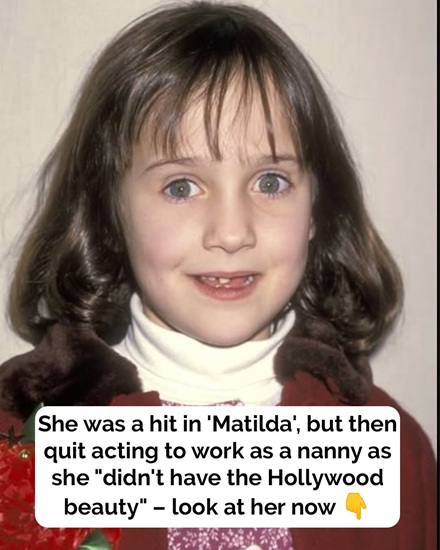
During the early 1990s, Mara Wilson became one of Hollywood’s most recognizable child actors. With her expressive performances, natural charisma, and remarkable confidence at a young age, she quickly captured the attention of audiences around the world. Millions of families came to know her through a series of successful films that have remained popular for decades. Although her time as a child actor was relatively brief, her performances left a lasting impression and continue to be appreciated by new generations of viewers.
Born on July 24, 1987, in Burbank, California, Mara Elizabeth Wilson developed an interest in acting at an early age. Encouraged by her family, she first appeared in television commercials before being introduced to film auditions. Like many young performers, she entered the entertainment industry without fully understanding how dramatically her life would change. What began as childhood auditions soon developed into opportunities that placed her alongside some of Hollywood’s most respected actors.
Her breakthrough arrived in 1993 when she was cast as Natalie Hillard, the youngest daughter of Robin Williams’ character in Mrs. Doubtfire. Directed by Chris Columbus, the comedy became one of the year’s biggest box-office successes and has since become a modern family classic. Audiences praised Robin Williams’ unforgettable performance, but Mara’s warmth and authenticity also earned widespread recognition. Despite sharing scenes with established stars, she displayed a natural screen presence that impressed both viewers and filmmakers.

Years later, Mara reflected on her early success by explaining that her parents worked hard to keep her grounded. Although her career was advancing rapidly, they consistently reminded her that acting was only one part of her life. In interviews, she has recalled that whenever she became overly excited about her growing fame, her mother encouraged her to remain humble and remember that she was still simply a child learning about the world around her.
Following the success of Mrs. Doubtfire, Mara quickly secured another leading role in the 1994 remake of Miracle on 34th Street. She portrayed Susan Walker, a role originally made famous by Natalie Wood in the 1947 version of the beloved holiday film. During later interviews and essays, Mara shared memories of her audition, recalling that she honestly told the casting team she did not believe in Santa Claus, while joking that she still believed in the Tooth Fairy, whom she had named after actress Sally Field.
Her ability to portray intelligent, thoughtful, and emotionally sincere children made her one of the most sought-after young performers of the decade. Directors appreciated her professionalism, while audiences connected with her genuine performances. Unlike many child actors who relied heavily on exaggerated expressions, Mara often delivered subtle performances that felt remarkably natural for someone so young.
Perhaps her most iconic performance came in 1996 when she starred as the title character in Matilda, based on Roald Dahl’s beloved novel. Directed by Danny DeVito, who also appeared in the film alongside Rhea Perlman, Matilda told the story of a brilliant young girl discovering extraordinary abilities while overcoming difficult circumstances. Although the movie achieved moderate box-office success upon release, it gradually became one of the most cherished family films of its generation and remains widely celebrated today.
Behind the scenes, however, Mara’s personal life was becoming increasingly difficult. During the production of Matilda, her mother, Suzie Wilson, was battling breast cancer. Mara has spoken publicly about how her mother’s illness deeply affected both her family and her own emotional well-being. Even while continuing to work professionally, she was experiencing uncertainty and fear that no child should have to face.
Later in 1996, Suzie Wilson died following her battle with breast cancer. Mara has described this loss as the defining event of her childhood. In interviews and published essays, she has explained that life seemed divided into two separate chapters: the period before losing her mother and everything that followed afterward. She has openly acknowledged that grief changed her understanding of herself and made it increasingly difficult to enjoy the attention that accompanied fame.
Although audiences continued to recognize her as one of Hollywood’s brightest young stars, Mara has explained that public success did not always reflect her private emotional reality. In later interviews, she stated that despite appearing in successful films, she often felt overwhelmed during that period of her life. Rather than enjoying celebrity, she increasingly wished for the opportunity to experience a more typical childhood away from cameras, auditions, and public expectations.
As she grew older, the entertainment industry also began changing the types of roles available to her. Child actors frequently face a difficult transition between childhood and adolescence, and Mara has candidly discussed how this period affected her confidence. She later explained that as she entered puberty, she no longer fit the image casting directors had previously associated with her earlier roles. This gradual shift marked the beginning of significant changes in both her acting career and her personal identity.
As Mara Wilson entered her teenage years, her acting career gradually began to change. Like many young performers, she experienced the difficult transition from child roles to adolescent characters. In later interviews and essays, Mara explained that casting opportunities became less frequent as she grew older. She has written candidly about feeling that the qualities that had once made her highly sought after in Hollywood were no longer viewed the same way, making this period both professionally and emotionally challenging.
One of her final major film roles came in Thomas and the Magic Railroad, released in 2000. By that time, Mara was eleven years old and had already spent much of her childhood working in the entertainment industry. Looking back, she has explained that she felt she had begun to outgrow many of the child-oriented roles being offered to her. In interviews, she recalled that she no longer connected with some of the scripts in the same way she had when she was younger, and she increasingly found herself wanting different experiences outside of acting.
Rather than viewing her departure from Hollywood as the result of a single event, Mara has described it as a gradual process shaped by several factors. She has acknowledged that she was emotionally exhausted after years of working as a child actor while also coping with the profound grief following the loss of her mother. At the same time, she noticed that fewer acting opportunities were becoming available as she entered adolescence. Together, these circumstances led her to step away from the film industry and focus on other areas of her life.
In essays published over the years, Mara has spoken honestly about the pressures many young performers experience while growing up in the public eye. She has explained that she sometimes connected her professional opportunities too closely with her appearance, believing that no longer fitting Hollywood’s image of a child star meant she had somehow lost her value. Looking back as an adult, she has reflected on those feelings with greater perspective while encouraging more compassionate conversations about childhood fame and self-worth.
After stepping away from acting, Mara focused on her education and gradually discovered new ways to express her creativity. Writing became an increasingly important part of her life, allowing her to share personal experiences in a thoughtful and reflective way. Unlike acting, where she portrayed fictional characters, writing gave her the opportunity to tell her own story using her own voice, offering readers an honest account of both the rewards and challenges of growing up in the entertainment industry.
In 2016, Mara published her first memoir, Where Am I Now?: True Stories of Girlhood and Accidental Fame. The collection of essays explores her experiences as a child actor, the realities of sudden fame, the transition into adulthood, and the process of building an identity beyond Hollywood. Rather than focusing solely on celebrity, the book examines universal themes such as family, growing up, confidence, and learning to define success on one’s own terms.
She later published another memoir, Good Girls Don’t, in which she continued reflecting on expectations placed upon young women, childhood experiences, and the complexities of growing up under public attention. Throughout her writing, Mara combines humor, honesty, and thoughtful analysis, inviting readers to consider how fame can influence personal development while emphasizing the importance of authenticity and emotional well-being.
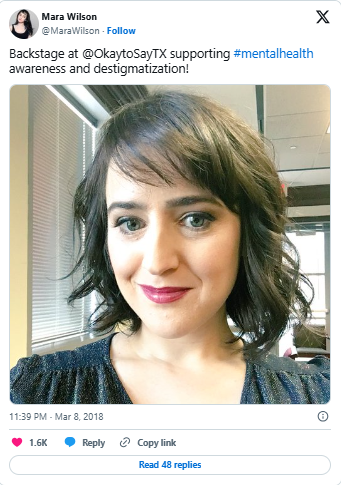
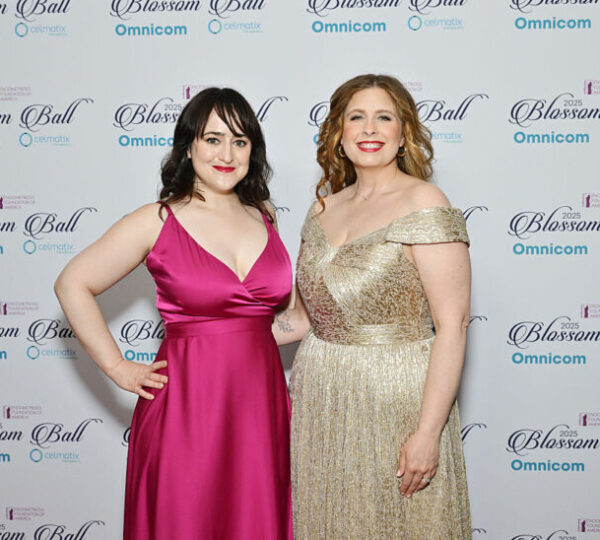
Although she is no longer active as a full-time film actress, Mara has remained involved in creative work through writing, public speaking, voice acting, and various media projects. She has contributed articles to respected publications, participated in podcasts, appeared at literary events, and spoken openly about literature, mental health, and the experiences of former child actors. These activities have allowed her to build a successful career that reflects her evolving interests while remaining connected to audiences in new ways.
Mara has also become an advocate for more realistic conversations about childhood fame. She has frequently emphasized that every child actor’s experience is different and that young performers benefit from strong family support, healthy boundaries, and opportunities to develop identities outside of their professional work. Her reflections encourage greater understanding of the unique challenges faced by children working in highly visible industries while avoiding broad generalizations about their experiences.
Today, many audiences continue to cherish Mara Wilson’s performances in films such as Mrs. Doubtfire, Miracle on 34th Street, and Matilda, which remain beloved by families around the world. At the same time, many readers have come to appreciate her thoughtful writing, which demonstrates the same sincerity and intelligence that first made her memorable as a young performer. Her ability to successfully transition from acting to writing reflects a willingness to embrace change and pursue new creative opportunities.
Looking back, Mara Wilson’s story is not simply one of childhood fame but of resilience, personal growth, and self-discovery. Rather than allowing her early career to define her entire life, she built a new path based on writing, reflection, and honest storytelling. Her journey illustrates that success can take many forms and that meaningful careers often evolve over time as people discover new passions and priorities.
Ultimately, Mara Wilson’s life demonstrates that a person’s legacy is not limited to the roles they play on screen. Through her books, essays, and public conversations, she has helped broaden understanding of childhood fame, grief, identity, and creativity. While millions will always remember the talented young actress who appeared in some of the 1990s’ most beloved family films, many also recognize the accomplished author and thoughtful commentator she has become. Her story continues to inspire readers by showing that personal fulfillment often comes not from remaining the same, but from embracing growth, resilience, and the freedom to create a new chapter in life.

