
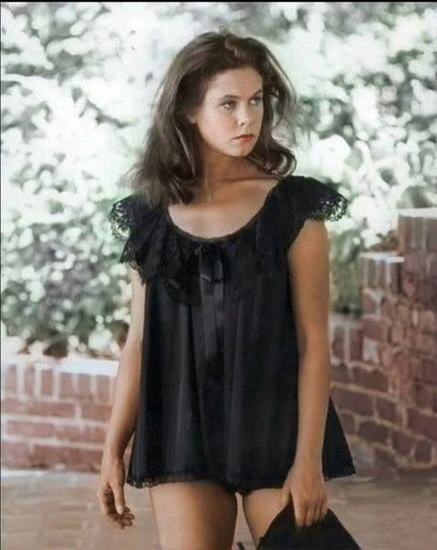
Elizabeth Montgomery remains one of the most beloved actresses in television history, remembered around the world for her unforgettable portrayal of Samantha Stephens in the classic sitcom Bewitched. Her graceful screen presence, natural charm, and remarkable acting ability made her one of the defining stars of the 1960s. Although decades have passed since the series first aired, her work continues to attract new generations of viewers who appreciate classic television.
Beyond her most famous role, Montgomery built a respected career that demonstrated her versatility, professionalism, and dedication to the craft of acting. Born on April 15, 1933, in Los Angeles, California, Elizabeth Victoria Montgomery grew up in a family already deeply connected to the entertainment industry. Her mother, Elizabeth Bryan Allen, was an accomplished Broadway actress, while her father, Robert Montgomery, was among Hollywood’s most respected leading men.
Growing up in such an environment naturally introduced Elizabeth to acting from an early age, but her eventual success would come through years of study, determination, and continuous improvement rather than family connections alone. In interviews during the early years of her career, Montgomery recalled telling her father that she wanted to become an actress when she grew up.
She later shared that her father encouraged her to remain patient and discover whether acting truly was the right path as she matured. Looking back, those childhood ambitions would eventually become reality as Elizabeth developed into one of the most recognizable television performers of her era. She always acknowledged her father’s guidance while emphasizing the importance of developing her own identity as an actress.
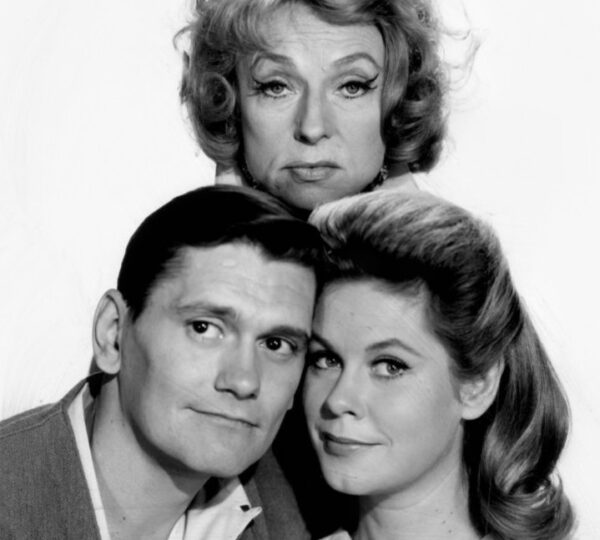
Robert Montgomery undoubtedly opened certain professional doors for his daughter, something Elizabeth openly recognized throughout her career. Rather than denying the opportunities she received, she expressed gratitude for her father’s advice while also accepting that she needed to prove her own abilities before audiences and critics alike. She often described him as both her toughest critic and one of her greatest supporters, explaining that honest feedback helped shape her growth as a performer.
Elizabeth spent part of her childhood in California before moving to New York City, where she attended the prestigious Spence School. Her education exposed her to a broad range of academic and artistic experiences that would later benefit her acting career. After graduating, she enrolled at the American Academy of Dramatic Arts, one of the country’s most respected acting institutions. There she spent several years studying performance techniques, voice, movement, and stagecraft under experienced instructors.
Her professional television debut came while she was still a teenager, appearing on her father’s anthology series, Robert Montgomery Presents. Although appearing on the program introduced her to television audiences, Elizabeth understood that continued success depended on consistent performances rather than family reputation. She appeared in multiple episodes, gradually becoming more comfortable in front of cameras while learning valuable lessons about live television production during an era when many broadcasts were performed in real time.
By the early 1950s, Elizabeth had already begun establishing herself outside her father’s productions. In 1953, she made her Broadway debut in the play Late Love, marking an important milestone in her professional development. Performing on Broadway required discipline, preparation, and confidence, qualities that became defining characteristics throughout her career. Theater also strengthened her ability to portray emotionally complex characters before live audiences night after night.
Hollywood opportunities soon followed. In 1955, Elizabeth appeared in her first feature film, The Court-Martial of Billy Mitchell, sharing the screen with accomplished actors while continuing to build her reputation. She balanced work between film, television, and stage productions, refusing to limit herself to a single medium. This willingness to explore different types of performances demonstrated her desire to become a well-rounded actress rather than simply pursuing celebrity status.
Throughout the late 1950s and early 1960s, Montgomery became increasingly familiar to television viewers through guest appearances on numerous popular series. She appeared in acclaimed programs including Alfred Hitchcock Presents, The Loretta Young Show, The Untouchables, and The Twilight Zone. Each appearance allowed audiences to see different aspects of her talent, from dramatic storytelling to suspenseful performances and emotionally driven characters. Producers quickly recognized her reliability, professionalism, and ability to adapt to many genres.
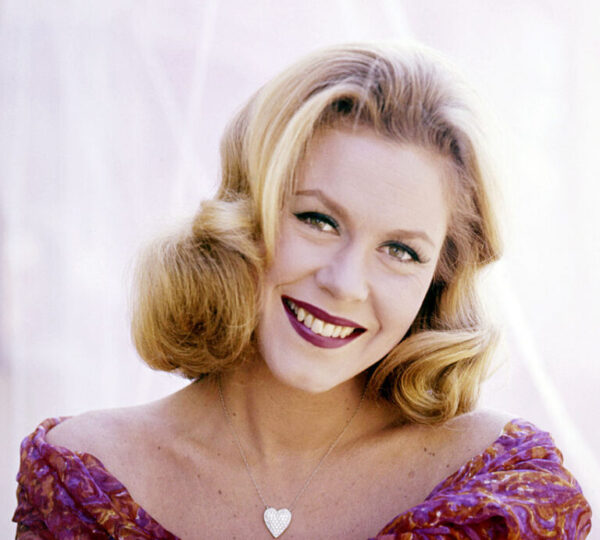
While her professional life flourished, Elizabeth also experienced important changes in her personal life. She married Frederick Gallatin Cammann in 1954, but the marriage ended after approximately one year. In 1956, she married Academy Award-winning actor Gig Young. Although both were respected performers, the marriage eventually ended in divorce in 1963. Despite personal disappointments, Elizabeth continued focusing on her work, earning respect for maintaining professionalism throughout changing circumstances in her private life.
During production of the film Johnny Cool, Elizabeth met television director and producer William Asher. Their relationship quickly developed both personally and professionally. They married in 1963 and later welcomed three children together. Asher would eventually play an important role in one of television’s most successful comedy series, working closely with Elizabeth during the production of Bewitched. Their collaboration became one of the defining creative partnerships of the decade.
In 1964, Elizabeth Montgomery accepted the role that would forever define her career. She was cast as Samantha Stephens, a kind-hearted witch who marries an ordinary advertising executive and attempts to live a normal suburban life while hiding her magical abilities. The concept blended family comedy with fantasy elements, creating a unique sitcom that immediately stood out from other television programs of the period. Viewers responded enthusiastically to Samantha’s warmth, humor, and optimism.
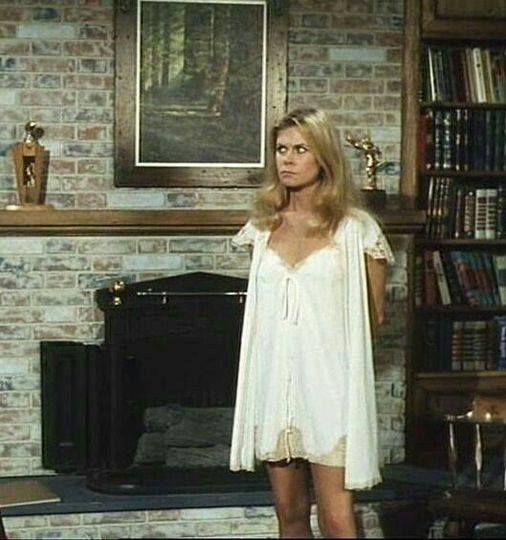
Bewitched quickly became one of the most successful television comedies of the 1960s. Airing for eight seasons between 1964 and 1972, the series attracted millions of viewers across the United States and around the world. Samantha’s famous nose twitch became one of television’s most recognizable gestures, inspiring countless imitations by fans. Elizabeth’s effortless charm helped transform what could have been a simple fantasy sitcom into a cultural phenomenon that continues to be enjoyed decades later.
Elizabeth later explained that she had initially been hesitant about committing to a long-running television series. She appreciated the opportunity to choose different scripts and characters rather than portraying the same person every week. However, she eventually realized Samantha Stephens was a character she genuinely enjoyed playing. Her warmth, intelligence, humor, and compassion made Samantha an appealing role that never lost its emotional authenticity despite the magical storyline.
Critics consistently praised Montgomery’s performance throughout the series. During Bewitched’s successful run, she received five Primetime Emmy Award nominations and four Golden Globe Award nominations. These honors reflected not only the popularity of the show but also recognition from the entertainment industry for her consistently strong performances. Her ability to balance comedy with sincere emotional moments helped distinguish Samantha Stephens from many other sitcom characters of the era.
Beyond the awards and ratings, Elizabeth Montgomery became one of television’s most recognizable personalities. Families gathered each week to watch Bewitched, and Samantha Stephens became a symbol of kindness, patience, and optimism. Even viewers who had never met Elizabeth often felt they knew her because of the warmth she brought to the character. That connection between performer and audience remains one of the reasons the series continues to enjoy enduring popularity through reruns and streaming platforms.
Following the conclusion of Bewitched in 1972, Elizabeth Montgomery made a deliberate decision to expand her career by accepting roles that differed significantly from the cheerful and magical Samantha Stephens. Rather than remaining closely associated with one iconic television character, she sought dramatic projects that would allow audiences to see the full range of her acting abilities. This transition demonstrated both her confidence as a performer and her willingness to embrace creative challenges throughout the next stage of her career.
One of her earliest post-Bewitched projects was Mrs. Sundance (1973), where she portrayed a character very different from Samantha. She followed that performance with A Case of Rape (1974), a television film that received praise for its serious subject matter and Montgomery’s emotionally powerful performance. Critics noted that she handled difficult material with sensitivity, proving she could successfully move beyond comedy into dramatic storytelling.
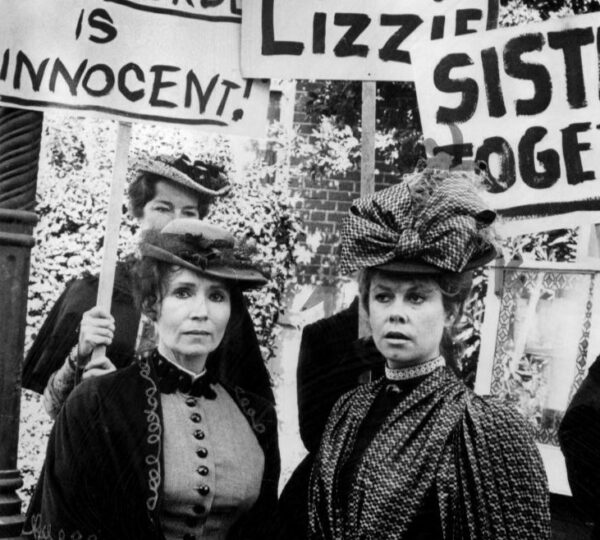
Elizabeth continued building an impressive résumé with performances in productions such as The Legend of Lizzie Borden (1975), where she portrayed one of American history’s most debated historical figures. The role required careful preparation and emotional complexity, further establishing her reputation as a versatile actress. Over the following years, she accepted additional television films that explored mystery, crime, drama, and psychological suspense, continually demonstrating her ability to portray a wide variety of characters.
Among her later television projects were Black Widow Murders (1993), The Corpse Had a Familiar Face (1994), and Deadline for Murder: From the Files of Edna Buchanan (1995). These productions reflected her continued commitment to meaningful storytelling well into the final years of her career. Viewers who had first known her as Samantha Stephens discovered an actress capable of portraying determined investigators, historical figures, and emotionally complex women with equal credibility.
During the production of Mrs. Sundance, Elizabeth met actor Robert Foxworth. Their relationship gradually developed into a long-lasting partnership built on mutual respect and companionship. Although they remained together for many years, they chose not to marry until 1993. Friends and colleagues often described their relationship as supportive and stable, and Foxworth remained by Elizabeth’s side throughout the later years of her life and career.
Television historian and author Herbie J. Pilato, who has written extensively about Elizabeth Montgomery, has observed that she became one of television’s leading stars long after Bewitched ended. According to Pilato, Montgomery successfully transformed herself from the beloved star of a fantasy sitcom into one of the most respected performers in made-for-television movies. Her career demonstrated that audiences were willing to follow her into challenging dramatic roles because of the trust she had built through years of consistently strong performances.
Away from the camera, Elizabeth became known for her professionalism and generosity toward colleagues. Directors and fellow actors frequently described her as approachable, prepared, and dedicated to every production she joined. Rather than relying on celebrity status, she earned admiration through hard work, careful preparation, and genuine respect for everyone involved in the filmmaking process. Those qualities contributed significantly to the lasting reputation she maintained throughout Hollywood.
Despite decades of professional success, Montgomery remained remarkably humble. People who worked with her often recalled that she treated crew members, guest actors, and longtime collaborators with equal kindness. Her willingness to listen, encourage others, and maintain a positive working environment became one of the characteristics most frequently mentioned by those who knew her personally.
In the early 1990s, Elizabeth continued accepting acting projects while balancing her professional responsibilities with her personal life. However, during the production of Deadline for Murder: From the Files of Edna Buchanan, she began experiencing health problems. According to reports from her family, she believed she had successfully overcome previous medical issues and initially did not realize the seriousness of her condition.
When medical examinations were completed in 1995, doctors determined that her cancer had progressed significantly. Reports indicated that the disease had spread to her liver, greatly limiting available treatment options. Elizabeth Montgomery passed away peacefully in her sleep at her Beverly Hills home on May 18, 1995, surrounded by her husband Robert Foxworth and her three children. Her death marked the end of a career that had influenced television audiences for more than four decades.
News of her passing prompted tributes from colleagues, critics, and countless fans around the world. Many remembered not only her memorable performances but also her warmth, professionalism, and lasting contributions to television history. Memorial services celebrated both her artistic achievements and the positive impact she had on those who knew her personally. Friends shared stories highlighting her humor, generosity, and lifelong passion for acting.
A memorial gathering was later held at the Canon Theatre in Beverly Hills. The event included musical performances by acclaimed jazz musician Herbie Hancock and reflections from author Dominick Dunne, a longtime friend who spoke about their friendship dating back to their years in New York City. The ceremony celebrated Montgomery’s remarkable life while honoring the legacy she left behind in entertainment and beyond.
Following her wishes, Elizabeth Montgomery was cremated at Westwood Village Memorial Park Cemetery in Los Angeles. Although her life ended far too soon, her influence on television continues to be recognized through reruns, streaming platforms, documentaries, biographies, and retrospectives celebrating the golden age of television. Each new generation that discovers Bewitched experiences the same warmth, humor, and timeless appeal that originally made Samantha Stephens one of television’s most beloved characters.
Herbie J. Pilato has described Montgomery as one of the least arrogant stars he ever met, emphasizing that the authenticity audiences saw in Samantha Stephens reflected Elizabeth’s genuine personality. According to Pilato, her kindness, humility, and down-to-earth nature naturally shaped the warmth she brought to every performance. Those qualities helped create a television character whose popularity has endured for generations.
Today, Elizabeth Montgomery remains one of classic television’s most enduring icons. Bewitched continues to introduce her work to new viewers, while her later dramatic performances remind audiences of the remarkable versatility she possessed as an actress. Her career serves as an example of artistic dedication, continuous growth, and professional excellence. More than three decades after her passing, Elizabeth Montgomery’s legacy continues to inspire admiration among television historians, actors, and fans who appreciate her lasting contribution to entertainment history.
