

The story of Tressa Middleton attracted widespread public attention in the United Kingdom in 2006 after she became one of the youngest mothers ever reported in the country. At just 12 years and 8 months old when she gave birth, her case generated extensive media coverage and sparked conversations about child protection, family support, and the challenges faced by vulnerable children. While many headlines focused on her age, the years that followed revealed a far more complex and deeply troubling story.
Rather than being defined by a single event, Tressa’s life has been shaped by difficult childhood experiences, public scrutiny, personal loss, and a long effort to rebuild her future. Tressa Middleton was born in 1994 in Broxburn, West Lothian, Scotland. According to interviews she has given over the years, her early childhood was marked by instability and financial hardship. She has said that her mother struggled with homelessness and poverty, circumstances that eventually resulted in Tressa being placed in foster care when she was around four years old.
Living apart from her family at such a young age was a significant experience that she later described as confusing and emotionally difficult. Although foster care provided structure and stability, she has spoken about missing members of her family and hoping that life would eventually become more secure. In later interviews, Tressa recalled that some of her happiest childhood memories came from small moments of kindness.
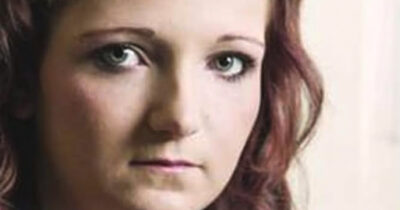
She has remembered foster carers organizing a birthday celebration for her and arranging an opportunity to see her brother during that time. Those experiences stood in contrast to the uncertainty that surrounded many other parts of her childhood. Like many children who experience family disruption, she has described wanting stability, routine, and a sense of belonging while growing up. Eventually, Tressa returned to live with her mother, but she has said that life remained extremely challenging.
The family experienced severe financial hardship, and she has described living in conditions where heating and other basic necessities were sometimes difficult to afford. In interviews, she recalled winters when the apartment became extremely cold and meals were limited because of the family’s financial situation. These experiences illustrate the broader difficulties that many families facing long-term poverty encounter and the lasting effect such conditions can have on children.
Years later, Tressa also spoke publicly about additional traumatic experiences from her childhood that were not known when her pregnancy first became public. According to her later testimony and court proceedings, she disclosed that she had been subjected to sexual abuse over a period of years. When her pregnancy became known, the identity of the child’s father was not immediately revealed publicly. It was only later, after she felt able to speak with investigators, that the full circumstances became part of the criminal investigation. Court proceedings eventually resulted in the conviction of her older brother for rape after DNA evidence linked him to the offense. These findings were established through the legal process and reported by multiple news organizations.
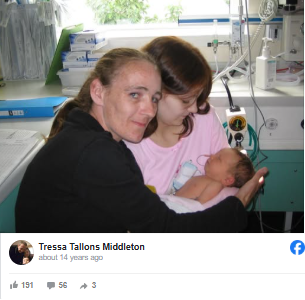
The public attention surrounding Tressa’s pregnancy was overwhelming for someone so young. Media coverage was extensive, and she later described finding it difficult to leave home without being recognized. Instead of experiencing adolescence privately, much of her early teenage life unfolded under intense public scrutiny. Child welfare experts have frequently noted that children involved in highly publicized cases often face additional emotional pressures because personal experiences become the subject of national discussion. Tressa has spoken openly about how difficult it was to cope with that level of attention while still trying to understand her own circumstances.
Following the birth of her daughter, Annie, social services became involved in assessing the child’s welfare. According to public reports, Annie was later placed with another family when authorities determined that long-term care elsewhere would better meet the child’s needs. Tressa has spoken emotionally about that period of her life, explaining that although she was allowed contact with her daughter for a time, those visits eventually ended. She has described the experience as one of the most painful moments she has ever endured, emphasizing that the separation remained deeply difficult for her long afterward.
Alongside the emotional challenges surrounding the adoption, Tressa has also discussed struggling with depression and substance misuse during parts of her adolescence and early adulthood. She has described feeling overwhelmed by trauma, grief, and public attention while trying to cope with experiences that no child should have to face. Mental health professionals often explain that individuals who experience multiple forms of childhood adversity may require significant long-term support, and Tressa has acknowledged that recovery was a gradual process rather than something that happened quickly.
Although much of the early public coverage focused only on her age when she became a mother, the fuller story reveals a child who experienced multiple forms of adversity long before becoming the subject of national headlines. Over time, Tressa has chosen to speak publicly about those experiences in order to explain the circumstances behind the headlines and to share how she has worked toward rebuilding her life. Her story serves as a reminder that behind widely reported events are real people whose lives are often far more complex than initial news reports can fully convey.
As the years passed, Tressa Middleton gradually began sharing more of her story publicly, not to relive painful memories, but to explain the circumstances that had shaped her early life. Following the criminal investigation and court proceedings, her focus slowly shifted toward rebuilding her future. While the legal process established accountability for the crimes committed against her, it could not erase the emotional impact of childhood trauma. Like many survivors of abuse, Tressa has spoken about the long-term effects that such experiences can have on confidence, mental health, and relationships. Her later interviews reflect both the difficulties of recovery and the determination required to move forward.
One of the greatest challenges she faced after the highly publicized events of her childhood was overcoming addiction. Tressa has publicly acknowledged that, during one period of her life, she struggled with heroin dependency. According to interviews she has given, addiction developed while she was attempting to cope with years of emotional pain and unresolved trauma. Recovery did not happen overnight. It involved making difficult decisions, accepting professional support, and gradually rebuilding stability. Her experience reflects what many healthcare professionals emphasize: recovery from addiction is often a long-term process that requires persistence, support, and continued commitment.
An important source of encouragement during that period was her relationship with her partner, Darren Young. In several interviews, Tressa has credited his support as one of the factors that helped her begin creating a more stable life. Rather than focusing only on the hardships they faced, she has described working together to establish a healthier future built on mutual support and responsibility. Although every recovery journey is unique, many experts agree that positive relationships and strong support networks can play an important role in helping individuals overcome difficult circumstances.
Life continued to bring both moments of hope and periods of profound loss. In 2012, Tressa became pregnant again, but she later experienced a miscarriage, an event she has described as deeply heartbreaking. Only a few days later, her mother died from pneumonia at the age of 41. Experiencing two major personal losses within such a short period placed enormous emotional strain on her. These events illustrate how multiple hardships can occur close together, making recovery even more challenging for individuals already coping with previous trauma.
Her mother’s funeral also marked the first time she had seen her brother since his imprisonment. According to her public statements, they did not speak during the service, but both attended to pay their respects to their mother. In later interviews, Tressa explained that she eventually chose to forgive him. She has clarified that forgiveness did not mean excusing or minimizing the crimes committed against her. Instead, she described forgiveness as a personal decision that helped her avoid carrying anger for the rest of her life. Mental health professionals often note that forgiveness is a deeply personal choice and that every survivor decides for themselves what healing looks like.
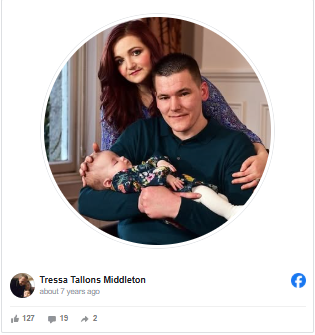
Another chapter in Tressa’s life began when she became a mother again. In 2018, she and Darren welcomed their daughter, Arihanna, an experience she described as bringing renewed hope after many difficult years. Tressa has said that becoming a parent again gave her another opportunity to create the stable and loving environment she had long wanted for her children. She has also spoken openly about ensuring that Arihanna would one day know about her older sister, explaining that she never wanted her first daughter to become a hidden or forgotten part of the family’s history.
Although her first daughter was adopted, Tressa has repeatedly stated that she continues to think about her with love. In interviews and in her autobiography, she explained that she hopes her daughter grows up knowing she was always cared about, despite the difficult circumstances that led to the adoption. Adoption specialists often note that these situations are emotionally complex for everyone involved, particularly when birth parents were themselves children or facing extraordinary hardship. Tressa’s comments have consistently reflected respect for her daughter’s adoptive family while also expressing the lasting emotional bond she feels as her biological mother.
Over the years, Tressa has largely stepped away from the intense public attention that surrounded her childhood. Rather than remaining defined by the headlines of 2006, she has focused on raising her family and continuing to move forward with her life. Public information indicates that she has continued building a family with Darren, and in recent years she has shared updates reflecting a quieter and more stable chapter of her life. While many people first learned her name because of extraordinary circumstances, her later years have centered more on everyday family life than on media attention.
Ultimately, Tressa Middleton’s story is not simply about becoming one of Britain’s youngest mothers. It is the story of a child who experienced poverty, instability, abuse, public scrutiny, addiction, and profound personal loss before gradually rebuilding her life over many years. Her experiences also highlight the importance of protecting vulnerable children, ensuring access to mental health support, and providing long-term assistance for survivors of abuse. While her early years were marked by circumstances beyond her control, her later life reflects resilience, recovery, and the ongoing effort to create a safer and more hopeful future for her family.

