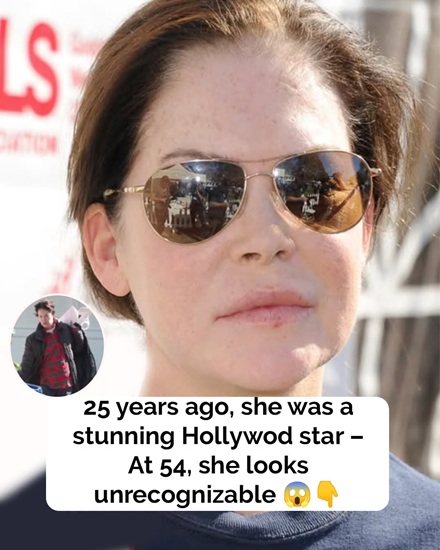
For many television fans, Lara Flynn Boyle will always be remembered as Donna Hayward, the loyal and compassionate friend of Laura Palmer in David Lynch’s groundbreaking television series Twin Peaks. When the show premiered in 1990, it quickly became a cultural phenomenon, introducing audiences to a unique blend of mystery, drama, and surreal storytelling. Among its talented cast, Boyle stood out for her thoughtful portrayal of Donna, a teenager determined to uncover the truth behind her best friend’s death.
More than three decades later, her performance remains one of the defining roles of her career and continues to be appreciated by longtime fans of the series. Long before Hollywood recognized her talent, Lara Flynn Boyle experienced a childhood marked by significant personal challenges. Born on March 24, 1970, in Davenport, Iowa, she was named after Lara Antipova, a character from Boris Pasternak’s classic novel Doctor Zhivago.
When she was still a young child, her parents separated, and she was raised primarily by her mother, Sally Boyle. Growing up in a single-parent household required resilience, and Boyle has spoken publicly about the impact those early experiences had on her determination to succeed. Another challenge she faced during childhood was dyslexia.
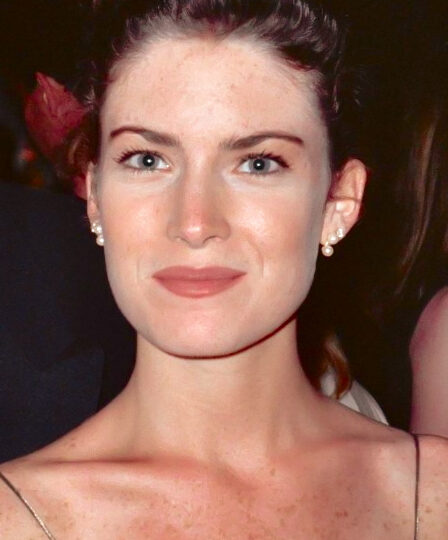
Like many individuals with the learning difference, Boyle found certain aspects of school more difficult than her classmates. Rather than allowing those obstacles to define her future, she gradually developed the confidence to pursue creative interests. Acting became an important outlet, allowing her to express herself in ways that traditional classroom settings sometimes did not. Her interest in performance eventually led her to study at The Chicago Academy for the Arts, where she continued developing the skills that would later shape her professional career.
Boyle’s first experiences in the entertainment industry were modest. She appeared in auditions throughout the 1980s while taking on smaller television and film opportunities. Although she filmed scenes for the popular comedy Ferris Bueller’s Day Off (1986), her appearance was ultimately removed from the final version of the film. Like many aspiring actors, she experienced both opportunities and disappointments before receiving the role that would change the course of her career. Those early years helped prepare her for the demanding nature of the entertainment industry and strengthened her commitment to acting.
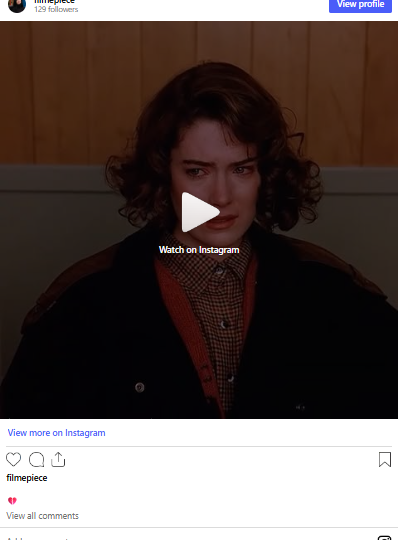
One of Boyle’s earliest notable film appearances came in the 1988 horror sequel Poltergeist III. While the movie introduced her to a wider audience, it was only the beginning of what would soon become a breakthrough period. Casting directors recognized her ability to portray emotionally complex characters, and new opportunities continued to emerge. By the end of the decade, she had positioned herself for a role that would bring international recognition.
That breakthrough arrived in 1990 with Twin Peaks, created by David Lynch and Mark Frost. The series became an international success, attracting viewers with its unusual storytelling, memorable characters, and atmospheric style. Boyle’s portrayal of Donna Hayward placed her at the center of one of television’s most talked-about mysteries. Donna’s determination to understand what happened to Laura Palmer made her one of the emotional anchors of the series, and Boyle’s performance earned widespread attention from critics and audiences alike.
Boyle has spoken on several occasions about the influence David Lynch had on her development as an actress. She recalled that his directing style often relied on imagery and emotion rather than conventional technical instructions. Instead of giving detailed explanations about how to perform a scene, Lynch frequently encouraged actors to imagine feelings or visual experiences that would shape their performances naturally. Boyle later reflected that working with Lynch helped her discover a different approach to acting, one that emphasized instinct, atmosphere, and emotional honesty.
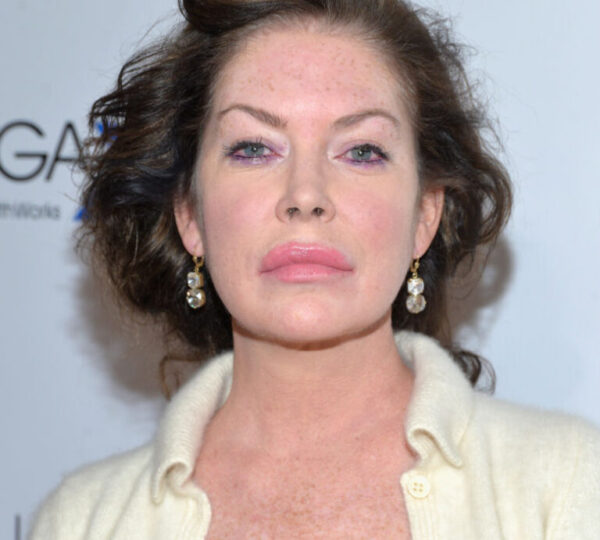
The success of Twin Peaks quickly elevated Boyle’s public profile. In 1990 she appeared on the cover of Rolling Stone magazine alongside co-stars Mädchen Amick and Sherilyn Fenn, illustrating how influential the series had become in popular culture. The show’s impact extended beyond television ratings, inspiring books, academic discussions, fan conventions, and continued interest decades after its original broadcast. For Boyle, the series provided not only career opportunities but also lasting recognition among television audiences around the world.
Following her success on Twin Peaks, Boyle expanded her film career with roles in productions such as The Rookie alongside Clint Eastwood and The Dark Backward. She continued accepting a variety of dramatic and comedic projects while building a reputation as a versatile performer capable of working across multiple genres. Each new role allowed her to demonstrate different aspects of her acting ability while establishing herself as one of Hollywood’s recognizable young actresses during the 1990s.
Another important chapter of her career began when she joined the legal drama The Practice. Playing Assistant District Attorney Helen Gamble, Boyle earned praise for portraying an intelligent, determined prosecutor navigating complex legal and personal challenges. The series introduced her to a new generation of television viewers and further strengthened her reputation as a talented dramatic actress. Her work on the program earned critical recognition and demonstrated her ability to succeed in long-running ensemble productions.
During the late 1990s and early 2000s, Boyle also appeared in films including Men in Black II, where she portrayed the alien antagonist Serleena. Sharing the screen with established stars such as Will Smith and Tommy Lee Jones brought her career to another high-profile audience. By this stage, Boyle had established an impressive résumé that included acclaimed television work, major studio films, and collaborations with some of Hollywood’s most respected directors and actors.
Although Boyle’s professional accomplishments attracted widespread attention, she often described herself as naturally shy. In interviews over the years, she explained that public attention sometimes felt uncomfortable despite her success. She acknowledged that fame brought opportunities but also created pressures that many people outside the entertainment industry rarely see. Balancing a demanding acting career with a desire for privacy became an ongoing challenge, one that would later influence her decision to step away from the spotlight more frequently.
By the mid-2000s, Boyle gradually reduced the number of acting projects she accepted. Rather than maintaining the highly visible pace of earlier years, she chose a quieter professional life while continuing to appear occasionally in selected film and television productions. Although some fans wondered why she was seen less frequently on screen, Boyle never announced a formal retirement from acting. Instead, she simply became more selective about the projects she pursued and increasingly valued a life away from constant public attention.
Her journey through Hollywood illustrates the changing nature of long careers in the entertainment industry. Success often arrives alongside intense public scrutiny, and maintaining personal balance can become just as important as professional achievement. While audiences continue to associate Lara Flynn Boyle most strongly with Twin Peaks, her career extends far beyond a single role, reflecting decades of work across television and film.
As the entertainment industry evolved during the 2000s, Lara Flynn Boyle continued to build an impressive body of work while gradually becoming more selective about the roles she accepted. After years of appearing regularly in television series and feature films, she began stepping away from the fast pace of Hollywood. Unlike many performers who announce a formal retirement, Boyle quietly reduced her public appearances, choosing projects that interested her rather than maintaining a constant presence on screen. Her decision reflected a personal preference for privacy rather than a complete departure from acting.
One of Boyle’s most widely recognized film roles from this period was Serleena, the primary antagonist in Men in Black II (2002). Acting alongside Will Smith and Tommy Lee Jones introduced her to an even broader international audience. The science-fiction comedy became a commercial success and demonstrated Boyle’s ability to perform convincingly in productions that blended action, humor, and visual effects. The role added another memorable character to a career that already included acclaimed dramatic performances.
Although her screen appearances became less frequent after the late 2000s, Boyle never completely disappeared from the entertainment industry. She occasionally accepted film and television projects while largely remaining outside the constant cycle of celebrity publicity. More recently, she appeared in the 2023 comedy-drama Mother, Couch, marking one of her most notable returns to the screen in recent years. The project reminded longtime fans that, although she had chosen a quieter professional life, her interest in acting had not disappeared.
Over the years, Boyle’s personal life also attracted considerable media attention. Like many actors working during the height of Hollywood’s celebrity culture in the 1990s and early 2000s, her relationships frequently became topics of entertainment reporting. She was linked publicly to several well-known figures, including fellow actor Kyle MacLachlan, who starred alongside her in Twin Peaks, comedian David Spade, and Academy Award-winning actor Jack Nicholson. While these relationships often generated headlines, Boyle has generally remained reserved when discussing her private life in interviews.
In 2006, Boyle married real estate investor Donald Ray Thomas II. Since then, she has described their marriage positively and has spoken about appreciating a more peaceful lifestyle away from the constant attention that characterized earlier stages of her career. Reports indicate that the couple has divided time between Texas and California, allowing Boyle to enjoy a quieter routine than the one she experienced during the height of her Hollywood fame.
One subject that has frequently attracted media attention involves public discussion of Boyle’s appearance. Throughout the years, various publications and commentators have speculated about possible cosmetic procedures. However, Boyle herself has never publicly confirmed undergoing specific cosmetic surgeries. As with many public figures, photographs taken years apart have prompted speculation, but such observations alone cannot establish whether any medical or cosmetic procedures occurred. Responsible reporting therefore distinguishes between publicly verified statements and outside opinions.
Boyle has, however, spoken openly about the broader issue of aging within the entertainment industry. In interviews, she has acknowledged that actresses often face significant pressure regarding appearance and career opportunities as they grow older. Rather than presenting herself as an exception, she has discussed these challenges as part of a wider conversation affecting many performers. Her comments have encouraged discussion about how audiences, studios, and the entertainment industry view age, experience, and beauty.
Another important chapter of Boyle’s life involved her decision to stop drinking alcohol. During promotional interviews connected to Mother, Couch, she stated that she had been sober for several years. Boyle explained her decision in a straightforward manner, suggesting that avoiding alcohol had become the healthiest choice for her personally. Although she did not describe herself as representing anyone else’s experience, her comments reflected the broader message that individuals sometimes make lifestyle changes to improve their well-being and quality of life.
Away from film sets and red carpets, Boyle has embraced a much more private daily routine than the one many fans remember from the 1990s. She has spoken affectionately about spending time with her rescue dog and enjoying a quieter home life. Unlike many celebrities who maintain an active presence across multiple social media platforms, Boyle has largely allowed her professional work to speak for itself, choosing privacy over continuous public visibility.
Despite spending less time in the spotlight, Boyle’s influence remains closely connected to the enduring popularity of Twin Peaks. The series continues to attract new audiences through streaming services, home media releases, and discussions among television critics. New generations of viewers regularly discover the program, introducing Boyle’s performance as Donna Hayward to audiences who were not yet born when the original series premiered. Her role remains an important part of one of television’s most influential dramas.
Television historians frequently identify Twin Peaks as a production that changed the landscape of serialized storytelling. Its distinctive blend of mystery, psychological drama, and cinematic style influenced countless later series. Boyle’s contribution to that ensemble helped shape a program that continues to be studied for its artistic innovation and cultural impact. Even after decades, many viewers still associate her most strongly with Donna Hayward because of the lasting impression the character left on popular culture.
Looking back across her career, Boyle’s professional journey reflects both the opportunities and challenges that accompany success in the entertainment industry. She experienced international recognition at a young age, worked alongside respected directors and actors, and became part of several notable productions across film and television. At the same time, she also experienced the intense public attention that often accompanies celebrity status, eventually choosing a lifestyle that offered greater privacy and personal balance.
Today, Lara Flynn Boyle’s story is about much more than fame alone. It is the story of an actress who overcame early personal challenges, built a successful career through dedication and talent, and later chose to step back from constant public attention in favor of a quieter life. Her performances continue to be appreciated by longtime fans, while her work in Twin Peaks, The Practice, and numerous films remains an enduring part of her professional legacy. As audiences continue to revisit these productions, Boyle’s contributions to television and cinema remain an important reminder of the lasting impact that thoughtful performances can have long after the cameras stop rolling.
