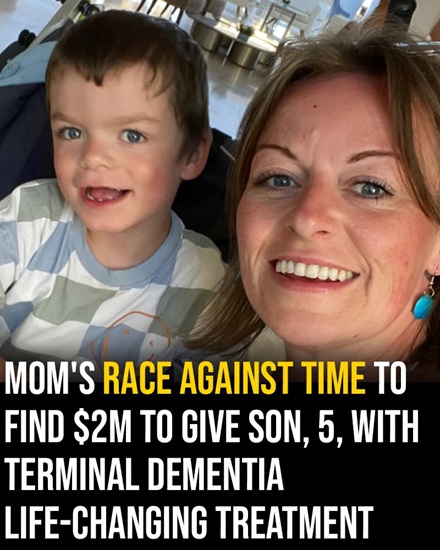
For one mother in Wales, every day has become a race against time as she searches for a possible treatment that could change the future of her young son. Tammy McDaid, known as Thomasina to many, says she is determined to give her son Tate every possible opportunity after he was diagnosed with Sanfilippo syndrome Type A, a rare genetic disorder that affects the nervous system and causes progressive developmental decline. Tate’s journey began when he was very young.
At the age of two, he was diagnosed with non-verbal autism, a diagnosis that explained some of his developmental differences but did not fully answer his mother’s concerns. Tammy has explained that she always felt there was something more happening and continued searching for answers. After years of appointments, assessments, and uncertainty, the family eventually received the devastating diagnosis of Sanfilippo syndrome Type A, also known as mucopolysaccharidosis type IIIA (MPS IIIA).
Sanfilippo syndrome is a rare inherited condition caused by changes in specific genes that affect the body’s ability to break down certain complex molecules. When these substances build up inside cells, they can gradually damage organs and especially affect the central nervous system. Children with the condition may initially appear to develop normally before symptoms become more noticeable, which can sometimes make diagnosis difficult.
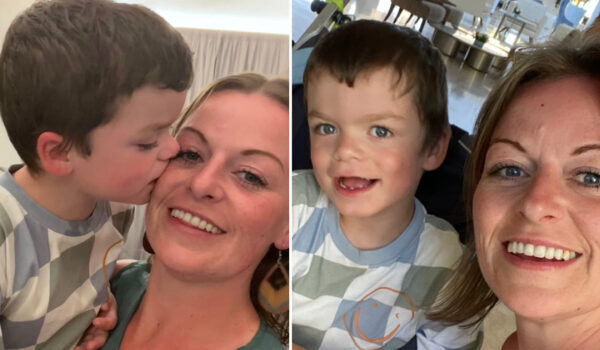
The disease is often described as a form of childhood dementia because it can cause children to lose abilities they previously developed. Over time, many affected children experience changes in speech, learning, behavior, movement, sleep, and physical abilities. The speed and severity of progression can vary significantly between individuals, meaning every child’s experience with Sanfilippo syndrome can be different.
For Tammy, learning about the diagnosis changed the way she viewed the future. She has shared that one of the most painful parts of the condition is knowing that children can gradually lose skills they have gained throughout their early years. Tate has never developed spoken language, and his mother has spoken openly about the emotional difficulty of accepting that she may never hear him say his first words.
Despite the challenges, Tammy describes her son as a happy and energetic child with a strong personality. She has compared his energy and determination to a “Duracell bunny,” explaining that he continues to bring joy to those around him. However, she also understands that Sanfilippo syndrome is unpredictable, and families often live with uncertainty about when new symptoms may appear.
Tate’s diagnosis came after medical investigations, including brain imaging, helped doctors identify signs that led to further testing. Because he had already been diagnosed with non-verbal autism, recognizing the early signs of Sanfilippo syndrome was more complicated. Tammy hopes that sharing her family’s experience will help other parents recognize possible warning signs and seek medical advice earlier.
One of the major challenges with rare genetic diseases like Sanfilippo syndrome is that treatment options have historically been extremely limited. While supportive therapies can help manage symptoms and improve quality of life, there has been no widely available treatment capable of reversing the underlying genetic cause of the disease.
However, advances in genetic medicine have created new hope for families affected by rare disorders. Researchers around the world have been developing gene therapies designed to address the genetic problems responsible for conditions such as Sanfilippo syndrome. These treatments aim to deliver functional copies of affected genes or help cells produce missing enzymes needed for normal function.
For families like Tate’s, emerging therapies represent hope, but they also highlight the importance of timing. Many researchers believe that earlier treatment may provide better outcomes because irreversible damage can occur as diseases affecting the brain continue progressing. This reality has made access to experimental and newly developed therapies a major concern for families facing rapidly changing conditions.
Tammy says this urgency is why she began fundraising efforts to explore treatment possibilities in the United States. She believes that if a therapy becomes available and Tate qualifies, receiving treatment as quickly as possible could give him a better chance of maintaining his current abilities and improving his quality of life.
The family’s campaign has attracted attention from supporters who have been moved by Tate’s story. Friends, community members, and public figures have helped raise awareness about Sanfilippo syndrome and the challenges faced by families searching for treatment options. For Tammy, the fundraising effort is not only about money — it represents a fight to create possibilities for her son’s future.
As research into rare genetic diseases continues, families like Tate’s remain hopeful that scientific progress will bring new opportunities. Although there are still many uncertainties, advances in gene therapy have changed the conversation around conditions that were once considered untreatable. For Tammy and her family, that progress represents a reason to keep fighting.
As research into rare genetic diseases continues to advance, gene therapy has become one of the most promising areas of modern medicine. For families affected by conditions such as Sanfilippo syndrome Type A, these scientific developments represent a possibility that previous generations of patients never had. While researchers and doctors remain cautious about describing these treatments as cures, early studies have created hope that certain therapies may be able to slow disease progression or preserve abilities for longer periods of time.
Gene therapy works by attempting to address the underlying genetic problem rather than only treating symptoms. In conditions like Sanfilippo syndrome, the goal is to help the body produce the missing or reduced enzyme needed to process specific substances that otherwise accumulate and cause damage. Because the disease affects the brain and nervous system, researchers face significant challenges in delivering treatments effectively to the areas where they are needed most.
Clinical trials involving potential treatments for Sanfilippo syndrome have given some families renewed optimism. Some participants have shown encouraging signs, although researchers continue to study long-term outcomes and determine how effective these approaches will be for different patients. Medical experts emphasize that results from trials must be carefully evaluated and that no experimental therapy can guarantee the same outcome for every child.
For Tammy McDaid, the possibility of a new treatment has created both hope and pressure. She believes that timing is one of the biggest challenges facing children with progressive conditions. Unlike some illnesses where patients can wait years for new options, families affected by Sanfilippo syndrome often worry that delays could mean losing important abilities before treatment becomes available.
Tammy has explained that she fears the disease could progress before her son has access to a therapy that might help him. She has said that her family is trying to explore every possible opportunity because the condition can change unpredictably. While some children may experience slower progression, others can decline more quickly, making the future difficult for parents to predict.
One of the biggest barriers for families seeking advanced treatments is cost and access. Gene therapies are among the most complex medical treatments ever developed, requiring years of research, specialized facilities, and highly trained medical teams. Because of this, some gene therapies that have reached approval stages have carried extremely high prices, creating difficult questions about affordability and availability.
Tammy has said that she has been told the potential cost of treatment could reach millions of pounds, although there is no official confirmed price for every possible therapy. For families facing rare diseases, fundraising campaigns often become a way to seek financial support while also raising public awareness about conditions that many people have never heard of.
The McDaid family’s fundraising campaign has attracted support from people who have been inspired by Tate’s story. Welsh entertainers and public figures have helped bring attention to the family’s efforts, allowing more people to learn about Sanfilippo syndrome and the urgent challenges faced by children living with rare genetic disorders.
Beyond raising money, Tammy hopes that sharing Tate’s experience will encourage earlier recognition of Sanfilippo syndrome. She has spoken about certain characteristics that some families notice in children with the condition, including developmental delays and specific physical features. However, doctors emphasize that these signs alone cannot diagnose the disorder, and proper genetic testing is required for confirmation.
Increasing awareness is especially important because rare diseases are often difficult to identify. Many families spend years searching for answers before receiving a correct diagnosis. Greater awareness among parents and healthcare professionals may help children receive appropriate testing and support sooner, potentially improving management of the condition.
Despite everything they are facing, Tammy continues to focus on giving Tate the happiest life possible. She describes him as a loving child who brings energy and happiness to his family. While the future remains uncertain, she wants people to see Tate not only through the lens of his diagnosis but also as an individual with his own personality, emotions, and experiences.
The story of Tate and his family reflects the challenges faced by thousands of families around the world living with rare genetic conditions. Their experiences show both the difficulties of dealing with progressive diseases and the hope created by scientific innovation. Every new development in genetic medicine represents a possibility that future children may have better treatment options than those available today.
Although there are still many questions surrounding emerging therapies, researchers continue working toward safer and more effective treatments. For families like Tammy’s, these advances provide motivation to keep searching for answers. Their journey highlights the importance of medical research, early diagnosis, and support systems for families facing some of life’s most difficult challenges.
Tate’s story is ultimately one of determination, love, and hope. While his family understands that they cannot control every part of his condition, they remain committed to giving him the best opportunities possible. Through awareness, research, and continued medical progress, they hope that children affected by Sanfilippo syndrome will one day have more options and brighter futures.
