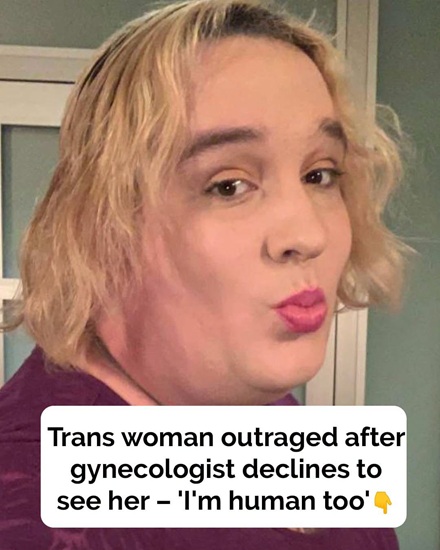
The legal disputes involving Jessica Yaniv became widely discussed in Canada after a series of complaints were filed under British Columbia’s human rights framework. The case gained public attention not only because of the number of complaints involved, but also because it raised complex questions about discrimination law, professional service boundaries, and the interpretation of equality protections in service industries. The case originated in 2018 when Yaniv filed multiple human rights complaints against several small business owners in British Columbia.
These businesses were primarily independent estheticians who provided personal grooming services, including waxing. The complaints were made after some service providers declined to perform certain intimate waxing procedures involving male anatomy. The refusal was based on claims of lack of training, safety concerns, and the fact that the requested services were outside the scope of what they normally provided.
Under Canadian human rights law, service providers are generally prohibited from discriminating against individuals based on protected grounds such as gender identity. However, the law also recognizes that businesses are not required to provide services that fall outside their professional competence or training. This distinction became a central issue in the tribunal hearings.
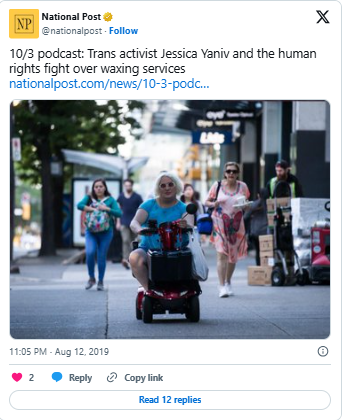
The British Columbia Human Rights Tribunal reviewed several of the complaints individually. The tribunal examined whether the refusal of service was based on discrimination or whether it was a legitimate limitation based on professional qualifications. In its decisions, the tribunal ultimately dismissed several of the complaints and ruled against Yaniv in key cases. The rulings emphasized that the estheticians involved were operating small home-based businesses and were not trained or equipped to safely perform the requested procedures involving male genital anatomy.
In some rulings, the tribunal also ordered damages to be paid to respondents, noting concerns about the manner in which certain complaints were pursued and the impact they had on the individuals involved. These findings added to the public attention surrounding the case and contributed to its broader controversy.
As the case developed, it became a focal point in discussions about the limits of human rights protections in service contexts. Legal experts explained that human rights law is designed to protect individuals from discriminatory treatment, but it does not require service providers to perform procedures they are not qualified or comfortable performing from a safety perspective. This distinction is particularly important in personal care industries where specialized training is required for different types of services.
The case also highlighted the vulnerability of small business owners operating independent services. Many of the respondents were home-based estheticians who reportedly faced significant financial and emotional strain during the legal process. Because they were small operators, legal proceedings had a disproportionate impact on their livelihoods, which became part of the broader public discussion.
Following the tribunal outcomes, the case continued to attract media attention and online debate. Some commentators viewed the decisions as necessary clarifications of legal boundaries, while others argued that the case reflected tensions between inclusion policies and practical service limitations. The discussion quickly moved beyond legal circles and became widely shared across social media platforms.
Over time, the case was referenced in broader debates about gender identity, access to services, and how institutions interpret equality rights. However, legal professionals frequently caution that individual tribunal cases should not be generalized into sweeping conclusions, as each decision is based on specific evidence and legal context.
In addition to the waxing-related complaints, Yaniv was also involved in other public disputes and complaints with various organizations and institutions. These incidents were reported in different media outlets, though not all resulted in formal findings or consistent outcomes. As a result, public narratives about the case often varied depending on the source and interpretation.
The controversy also intersected with wider discussions about healthcare access for transgender individuals. Medical professionals consistently state that healthcare services should be based on anatomical needs and clinical requirements. For example, gynecological care is medically necessary for individuals with female reproductive organs, regardless of gender identity, while those without such anatomy typically require different types of care.
This distinction is widely recognized in medical practice and is not unique to any one case. It reflects general principles of medical specialization rather than a commentary on identity. In discussions surrounding cases like Yaniv’s, healthcare experts often emphasize the importance of ensuring both access to care and appropriate clinical matching between patient needs and provider expertise.
The Yaniv case remains one of the more widely discussed human rights tribunal cases in recent Canadian legal history. It is frequently cited in debates about the interpretation of anti-discrimination law, especially in contexts involving small businesses and specialized services. However, legal analysts stress that the case should be understood within its specific legal framework rather than as a general statement about broader social issues.
Ultimately, the case illustrates how legal disputes involving identity, service provision, and professional boundaries can quickly become highly public and controversial. Once such cases enter public discourse, they often take on symbolic meanings that extend beyond the original legal questions being decided.
For this reason, experts continue to emphasize the importance of distinguishing between tribunal findings, media commentary, and social media narratives when discussing cases of this nature. The legal outcomes in British Columbia remain specific to that jurisdiction and based on the evidence presented in each complaint.
