
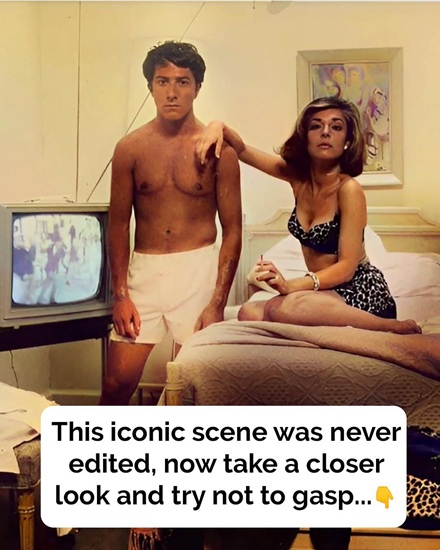
The Graduate (1967), directed by The Graduate, remains one of the most influential American films of the 20th century. Released during a period of intense cultural transformation in the United States, the film captured the anxieties of a younger generation questioning traditional values, authority, and expectations. Its themes of alienation, sexual awakening, and uncertainty about the future resonated strongly with audiences at a time when society was undergoing rapid political and cultural change.
The film stars Dustin Hoffman as Benjamin Braddock, a recent college graduate who finds himself directionless after returning home. His life takes an unexpected turn when he becomes involved in an affair with Mrs. Robinson, played by Anne Bancroft, a married woman who is significantly older than him. Their complex relationship becomes one of the most discussed elements of the film, both for its narrative boldness and its portrayal of emotional imbalance and manipulation.

At the time of casting, Dustin Hoffman was not a major Hollywood star. In fact, his selection for the role was considered unconventional, as he did not fit the traditional leading-man image of the era. Director Mike Nichols reportedly saw something unique in Hoffman’s awkwardness and vulnerability, which ultimately became essential to the character of Benjamin Braddock. This decision is now widely recognized as one of the most important casting choices in film history.
Anne Bancroft’s performance as Mrs. Robinson also became iconic. Although she was not much older than her co-stars in real life, her portrayal created one of cinema’s most famous “older woman” archetypes. The dynamic between Bancroft and Hoffman was intentionally uncomfortable on screen, reflecting the emotional tension that defines much of the film’s story. Their performances helped establish The Graduate as both a romantic drama and a social commentary.
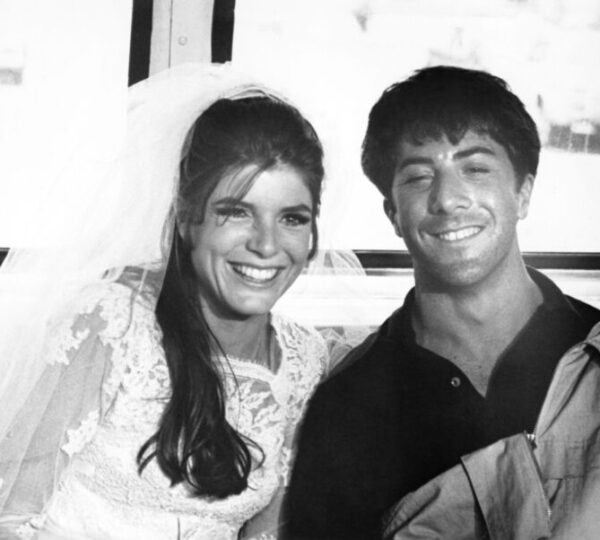
One of the most recognizable aspects of the film is its soundtrack, created by the musical duo Simon & Garfunkel. Songs such as “The Sound of Silence” and “Mrs. Robinson” became inseparable from the film’s identity. Interestingly, some of the songs were not originally written specifically for the movie but were later integrated into its final version during editing. The music played a crucial role in shaping the emotional tone and pacing of the film.
The production of The Graduate also included several well-known behind-the-scenes moments. Dustin Hoffman, still early in his career, had to adapt quickly to the demands of major studio filmmaking. Anne Bancroft, already an established actress, brought experience and intensity to her role, which helped balance Hoffman’s inexperience at the time. Director Mike Nichols encouraged improvisation in certain scenes, contributing to the film’s natural and sometimes awkward emotional rhythm.
The film’s cinematography also introduced creative visual techniques that helped reinforce its themes. For example, framing choices and camera angles were used to emphasize Benjamin’s emotional isolation. Long shots and unusual compositions often made him appear physically disconnected from the world around him. These visual decisions contributed significantly to the film’s psychological depth and are still studied in film schools today.
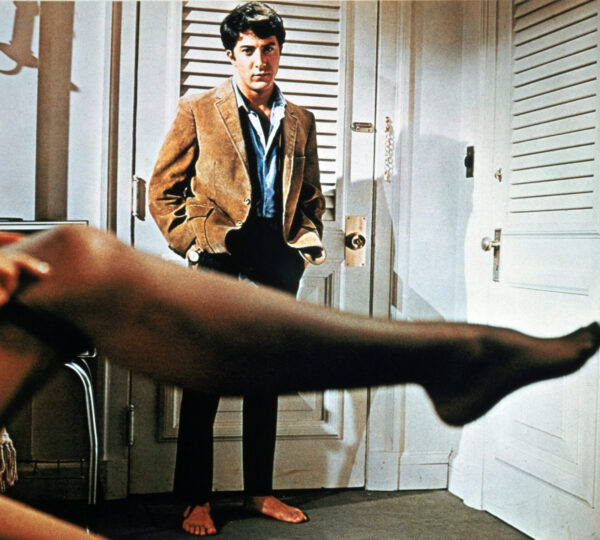
Culturally, The Graduate became a defining film of the late 1960s. It reflected generational conflict, especially between traditional expectations and emerging countercultural values. The character of Benjamin Braddock became symbolic of young adults struggling to find purpose in a rapidly changing society. His uncertainty and passivity were widely interpreted as commentary on the disillusionment of post-war American youth.
The film was also a major commercial success. It became one of the highest-grossing films of its year and helped establish Dustin Hoffman as a major Hollywood actor. Over time, it gained critical acclaim and is now considered one of the greatest films ever made. It has been preserved and analyzed extensively for its artistic and cultural significance.
Despite its success, the film also generated discussion around its controversial themes, particularly its portrayal of relationships and power dynamics. These elements continue to be analyzed by critics and audiences today, often from modern perspectives that differ from those at the time of its release.
Anne Bancroft’s legacy remained closely tied to her role as Mrs. Robinson for many years. While she had a long and respected acting career beyond this film, the role became one of her most defining performances. She later expressed mixed feelings about the lasting association, as it sometimes overshadowed her other work.
The film’s influence can also be seen in later television and cinema references. Its most famous scenes have been parodied and referenced in numerous shows, including animated series and sitcoms. This continued cultural presence demonstrates the lasting impact of its imagery and storytelling style.
Over time, The Graduate has remained relevant not only as a film but as a cultural artifact. Its exploration of identity, relationships, and societal expectations continues to resonate with modern audiences. The film’s combination of strong performances, innovative direction, and iconic music ensures its place in cinematic history.

