
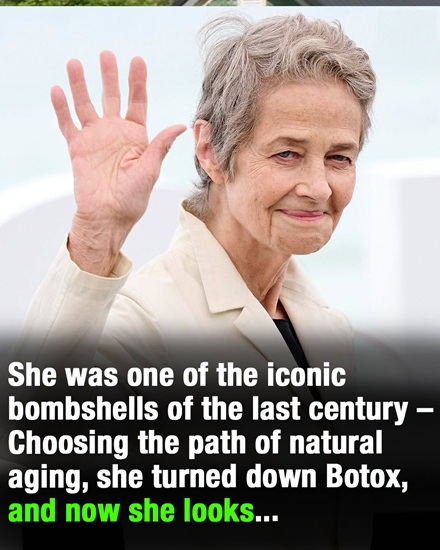
Charlotte Rampling is widely regarded as one of the most distinctive and enduring figures in European and international cinema. Rising to prominence in the 1960s, she quickly became known for her striking presence, expressive acting style, and ability to portray complex emotional characters. Over the decades, she has built a career that spans both mainstream and art-house cinema, earning respect from critics, directors, and audiences alike.
Her early work in films such as Georgy Girl (1966) and The Damned (1969) introduced her as a fresh and unconventional talent during a transformative era in film history. Unlike many performers who were defined solely by conventional beauty standards, Rampling stood out for her mysterious aura and emotional depth. This unique combination helped her transition into more challenging roles that shaped her long-term reputation as a serious actress.
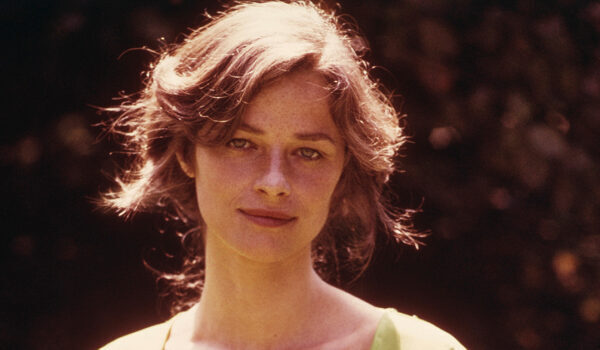
A Career Defined by Depth, Not Trends
Throughout the 1970s and beyond, Charlotte Rampling became associated with bold and often psychologically complex roles. Films like The Night Porter (1974) and Farewell, My Lovely (1975) demonstrated her willingness to take on controversial and demanding characters. These performances contributed to her reputation as an actress who prioritizes artistic expression over commercial expectations.
As her career evolved, she continued to collaborate with respected filmmakers across Europe and Hollywood. Her filmography reflects a consistent commitment to quality storytelling rather than short-term trends. This long-term artistic focus is one of the reasons she remains relevant even decades after her debut.
Public Image and Natural Aging
In discussions about beauty and aging in the entertainment industry, Charlotte Rampling is often referenced as someone who has embraced a more natural approach. While the media sometimes highlights her appearance, her public image is more deeply connected to her confidence, individuality, and longevity in the film industry.
Rather than conforming to rapidly changing beauty standards, she has continued to present herself in a way that reflects authenticity. This has made her a point of inspiration in conversations about aging gracefully, especially in an industry that often emphasizes youth.
It is important, however, to distinguish between public perception and verified personal routines. Many claims circulating online about specific “beauty secrets” or lifestyle formulas are speculative and not confirmed as direct statements from her.
Longevity in the Entertainment Industry
One of the most remarkable aspects of Charlotte Rampling’s career is her longevity. Few actors maintain relevance across multiple decades while continuing to work in critically recognized projects. Her ability to adapt to different cinematic styles and eras has allowed her to remain active and respected well into later life.
In more recent years, she has appeared in films and television projects that continue to showcase her range as an actress. Her performances are often praised for their subtlety, emotional intelligence, and strong screen presence.
Influence on Beauty Standards and Cultural Perception
Charlotte Rampling is frequently mentioned in broader cultural discussions about aging, beauty, and authenticity. In contrast to heavily filtered or digitally altered images that dominate modern media, she represents a more traditional and natural cinematic presence.
Her image challenges the idea that beauty must be defined by youth alone. Instead, she is often associated with elegance that evolves over time rather than disappears with age. This perspective has contributed to her status as a cultural icon beyond just her film roles.
A Lasting Legacy
Today, Charlotte Rampling continues to be recognized not only for her body of work but also for her long-standing influence on film and culture. Her career serves as an example of how artistic integrity and individuality can sustain relevance over many decades.
Her legacy is built on a combination of talent, risk-taking, and consistency, making her one of the most respected figures of her generation in cinema.

