
A recent episode of a long-running television game show has sparked widespread discussion online after a bonus round loss led to strong viewer reactions and debate about puzzle difficulty and game fairness. The episode, which aired during a themed Valentine’s Day broadcast, quickly gained attention on social media after a contestant narrowly missed out on a significant cash prize. According to viewer discussions and reactions circulating online, contestant Conner Kemmsies, described as a commercial pilot, participated in the bonus round where a potential $40,000 prize was at stake.
The moment, which was intended to be a highlight of the episode, instead became a focal point of online conversation after the puzzle solution was revealed as “I DID MY HOMEWORK.” The contestant was unable to solve the puzzle within the allotted time, resulting in the loss of the bonus round prize. As with most game show formats of this kind, the outcome was determined by standard rules involving timed guessing and letter reveals. However, the result quickly spread beyond the studio audience as viewers shared clips and opinions online.
Social Media Reaction and Viewer Debate
Following the broadcast, social media platforms saw a surge of commentary from viewers reacting to both the puzzle and the outcome. Many users expressed surprise at the phrasing of the puzzle, while others debated whether it fit naturally within the expected category format of the game.
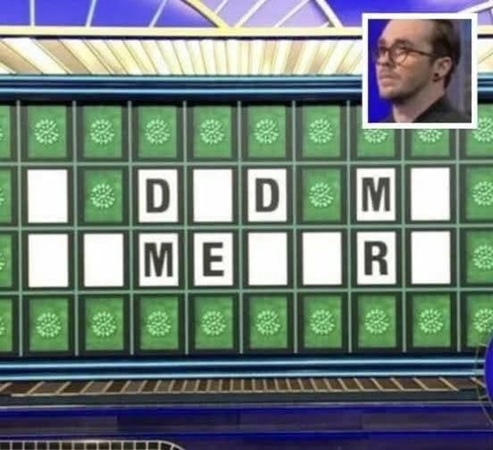
Some viewers argued that the phrase felt unusual compared to more commonly used expressions seen in similar bonus rounds. Others suggested that the pressure of the timed round often makes even simple phrases difficult to solve, especially under studio conditions where stress levels are high.
As is common with popular televised competitions, audience reactions varied widely. While some users expressed frustration or disagreement with the difficulty level, others defended the format, noting that unpredictability is a core element of game shows and contributes to their entertainment value.
Understanding Game Show Difficulty and Format
Game shows that involve word puzzles are typically designed around balancing fairness and challenge. The goal is to create puzzles that are solvable but still require quick thinking, vocabulary recognition, and composure under time pressure.
In formats similar to this show, bonus rounds are often intentionally more difficult than standard gameplay rounds. This is done to increase tension and provide a higher level of reward for successful completion. However, this structure can sometimes lead to disagreements among viewers about whether certain puzzles are too difficult or less intuitive than expected.
Experts in television production often note that audience perception of fairness can vary significantly depending on the outcome of a single episode. A puzzle that feels straightforward in hindsight may appear much more difficult when viewed in real time under pressure.
The Role of Pressure in Contestant Performance
Psychological pressure is a well-documented factor in game show performance. Contestants are often required to perform cognitive tasks within strict time limits, under bright studio lighting, with cameras and audiences present. This environment can significantly affect recall, decision-making, and confidence.
In word-based games especially, even familiar phrases can become difficult to recognize when partially revealed or when time is limited. Studies in cognitive psychology suggest that stress can temporarily reduce pattern recognition abilities, which may explain why some contestants struggle with puzzles that viewers at home find easier in hindsight.
This difference between studio performance and at-home viewing is a common feature of televised game formats and contributes to the “I would have gotten it at home” reaction frequently seen online.
Audience Expectations and Perceptions of Fairness
One of the key reasons game shows remain popular over decades is their perceived fairness. Viewers often feel engaged because they can participate mentally, attempting to solve puzzles alongside contestants. This interactive element is part of the appeal and longevity of such programs.
When a puzzle appears unusually difficult or unexpected, it can disrupt that sense of participation. Viewers may feel disconnected from the game if they cannot reasonably guess the answer themselves, leading to discussions about whether the balance between difficulty and fairness has shifted.
At the same time, production teams typically design puzzles within established guidelines to ensure consistency and solvability. However, perception plays a major role in audience reaction, especially in viral social media environments where clips are shared without full episode context.
The Role of the Bonus Wheel and Prize Structure
In addition to the puzzle itself, viewers also discussed the bonus round mechanics, including the prize wheel element that determines potential winnings. Some users expressed opinions about recurring prize outcomes, while others noted that probability-based systems can sometimes create patterns that appear repetitive even when they are random.
Game show prize structures are generally designed with built-in randomness, meaning that outcomes are not predetermined. However, human perception often interprets repeated results as intentional patterns, even when statistical variation explains them.
This gap between statistical reality and audience perception is a common topic in discussions about televised competitions and probability-based entertainment systems.
Viral Spread and Online Commentary Culture
The episode gained traction not only because of the game outcome but also due to the speed at which television moments can circulate online. Short clips, reactions, and commentary posts can quickly transform a single gameplay moment into a larger public discussion.
Platforms such as TikTok, X, and YouTube often amplify specific moments, especially those involving surprise outcomes or emotional reactions. As a result, televised events are no longer limited to their original broadcast audience but become part of a broader digital conversation.
In this case, viewer commentary ranged from frustration to humor, with some users treating the moment as a relatable example of high-pressure mistakes, while others focused on analyzing the puzzle design itself.
Contestant Experience and Public Attention
While much of the discussion focused on the puzzle and game mechanics, the contestant at the center of the episode also became part of the wider online conversation. Contestants on televised game shows often experience sudden public attention, especially when their episodes go viral due to unusual or dramatic moments.
For many participants, appearing on a game show represents a unique and high-pressure experience regardless of the outcome. Even when they do not win top prizes, contestants often describe the experience as memorable due to the atmosphere, audience engagement, and opportunity to participate in a nationally televised format.
The Valentine’s Day-themed episode has become a talking point among viewers due to its combination of a high-stakes bonus round, an unexpected puzzle outcome, and strong online reactions. While opinions remain divided, the discussion reflects broader themes about game show design, audience expectations, and the influence of social media on television moments.
As with many viral entertainment moments, the episode demonstrates how quickly a single game outcome can spark widespread debate, even when it occurs within standard rules and established formats. Ultimately, the conversation highlights the ongoing relationship between television programming and audience interpretation in the digital age.

