

Richard Chamberlain built a long and distinguished career that developed over many decades, establishing him as one of television’s most recognizable leading actors. As his professional journey progressed beyond his early fame, he entered a new creative phase that earned him the informal title of “King of the Mini-Series.” This period marked an important evolution in his career, as he began taking on more complex and emotionally layered roles. During this era, Chamberlain delivered widely praised performances in major television productions that gained international attention.
His work in projects such as Shōgun and The Thorn Birds highlighted his ability to bring emotional depth and authenticity to every character he portrayed. These roles were especially notable for their intensity and realism, helping to solidify his reputation as a serious and versatile actor. His success in these productions reflected his adaptability across different genres and storytelling styles. Whether portraying historical figures, romantic leads, or dramatic characters facing internal conflict, he consistently delivered performances grounded in sincerity.
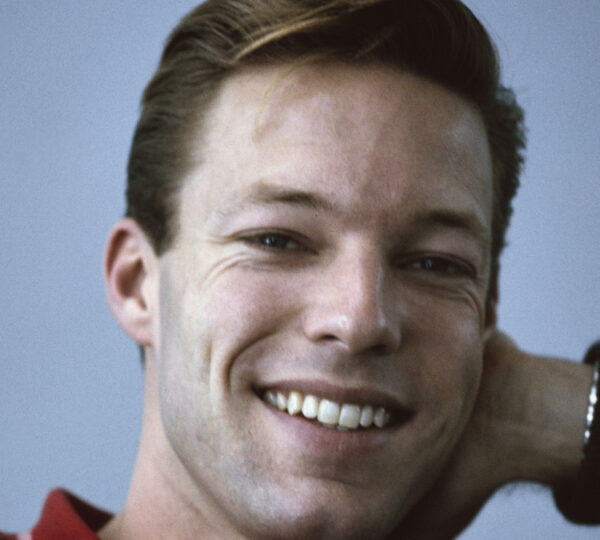
At a time when television was becoming increasingly respected as a dramatic medium, Chamberlain played a key role in raising audience expectations for serialized storytelling. Chamberlain also demonstrated his versatility through other notable performances, including his interpretation of Jason Bourne in early adaptations of the character. In this role, he combined elements of suspense and emotional storytelling, showing that his talent extended beyond traditional drama and romance. Rather than relying on action alone, he focused on character-driven performance, which became a defining feature of his acting style.
Even within an entertainment industry often driven by spectacle and trends, his performances were frequently recognized for their emotional honesty and restraint. Critics and audiences appreciated his ability to communicate complex feelings in a natural and believable way, which helped him maintain relevance across different eras of television and film.
Outside of his professional achievements, Chamberlain’s personal life reflected a quiet strength shaped by the cultural environment of his early career. During a time when openness about identity was far more limited, he chose to keep his private life out of public discussion for many years. This allowed him to navigate fame while maintaining a strong sense of personal privacy.
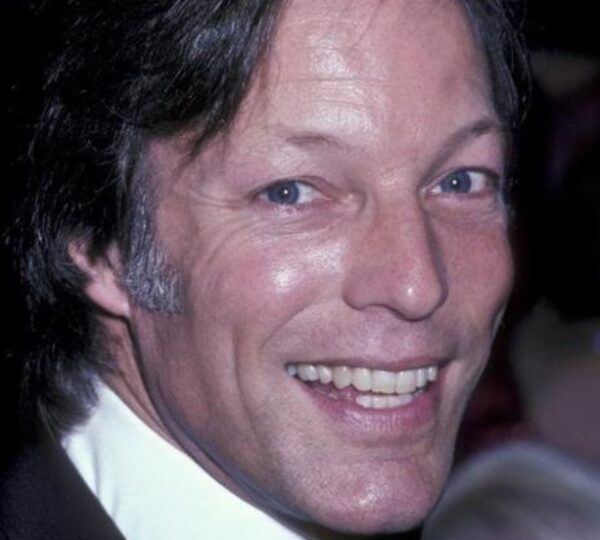
In later years, he made the decision to speak more openly about his identity, marking a significant and meaningful moment in his personal journey. This step was widely seen as an expression of authenticity and self-acceptance, and it resonated within broader cultural conversations about visibility and personal truth.
His long-term relationship with Martin Rabbett became an important part of his later life story. Their partnership was often described as a symbol of stability, commitment, and mutual support. While earlier years of his career were marked by privacy, his later life reflected a more open and grounded approach to personal relationships.
As he aged, Chamberlain continued to choose roles that reflected maturity, experience, and emotional depth. Instead of focusing on youthful leading-man parts, he embraced characters that allowed him to explore more reflective and complex themes. This transition highlighted his ongoing dedication to his craft and his ability to evolve as an actor over time.
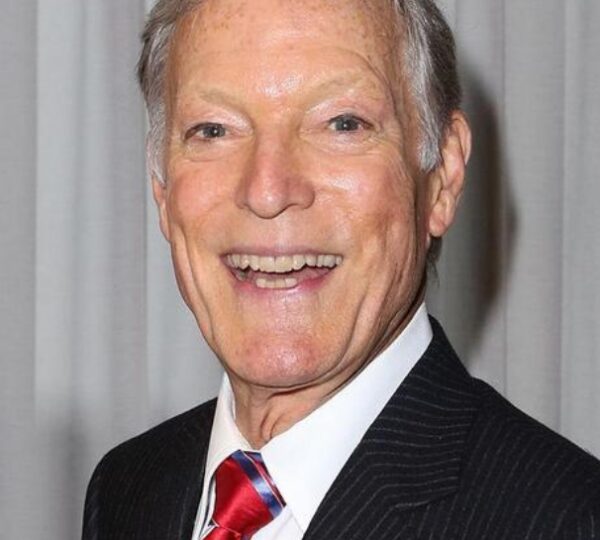
His journey from a 1960s heartthrob to a respected veteran performer illustrates a career shaped by reinvention and long-term artistic commitment. Rather than being defined solely by early fame, he successfully expanded his range and maintained a steady presence in the entertainment industry.
Over time, Chamberlain’s legacy extended beyond individual performances. He became known not only for his contributions to television and film but also for the professionalism and integrity he brought to his work. His career is often viewed as an example of how actors can successfully adapt to changing industry expectations while remaining true to their craft.
Today, Richard Chamberlain is remembered for both his artistic achievements and his personal journey. His body of work continues to be appreciated by audiences who value emotional storytelling and strong character-driven performances. At the same time, his life story reflects themes of growth, authenticity, and resilience.
Ultimately, his legacy represents a broader narrative of transformation within the entertainment world. From early success to later reinvention, Chamberlain demonstrated that a lasting career is built on consistency, adaptability, and the courage to embrace change over time.

