
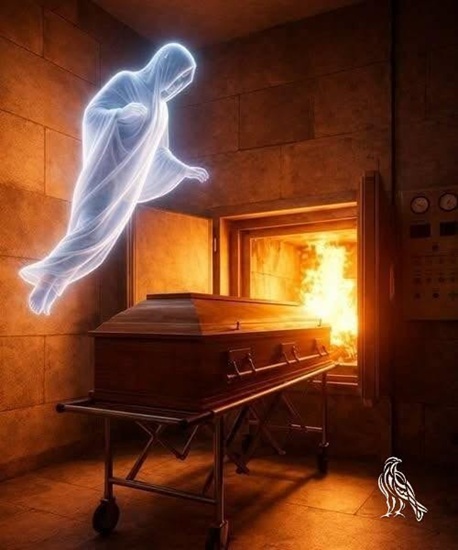
Cremation has become an increasingly common practice in modern society, leading many Christians to thoughtfully consider how it aligns with biblical teachings and long-established religious traditions. For believers, the issue is often not about a strict rule of right or wrong, but about understanding how core Christian values such as dignity, respect for the body, and the hope of resurrection apply to end-of-life decisions. As cultural practices evolve, many continue to re-examine Scripture to gain clarity on this topic.
At the center of Christian belief is the conviction that God holds authority over life and death. The Bible does not explicitly forbid cremation, nor does it present it as a sin. Instead, it focuses on broader spiritual principles such as the sanctity of life, the temporary nature of the physical body, and the promise of resurrection. Because of this, interpretations of cremation vary among Christians, depending on how these principles are understood and emphasized.
In the Old Testament, burial was the most commonly recorded method of laying the dead to rest among the people of Israel. Biblical figures such as Abraham are described as purchasing burial places for family members, and Joseph is noted for requesting that his remains be carried back to his ancestral land. These examples reflect cultural traditions that valued burial as an act of honor, remembrance, and connection to heritage. However, they are generally viewed as descriptive accounts rather than direct commandments requiring burial in all cases.
The Bible also contains a small number of references to burning bodies, though these are typically associated with unusual or judgment-related circumstances rather than standard funerary practices. Because of this, many Christian scholars conclude that Scripture does not establish a single mandatory method for handling human remains. Instead, it records different practices shaped by historical and cultural contexts.
A central belief in Christianity is the doctrine of resurrection. Christians believe that physical death is not the end of existence and that God has the power to restore life regardless of the condition of the body. Whether a body naturally returns to dust through burial or is reduced to ashes through cremation, the promise of resurrection is understood to remain fully intact within Christian theology.
This belief is grounded in the understanding that human identity extends beyond physical form. While the body is honored as part of God’s creation, it is also considered temporary compared to the eternal soul. For this reason, many Christians believe that the method of bodily disposition does not limit God’s ability to fulfill His promise of resurrection or eternal life.
At the same time, Christian teaching places strong emphasis on treating the body with respect and dignity. The body is often described in the New Testament as a temple of the Holy Spirit during life, which encourages believers to approach death with reverence and care. Whether choosing burial or cremation, families are encouraged to make decisions that reflect honor, love, and thoughtful reflection.
Across different Christian traditions, views on cremation have varied over time. In earlier centuries, some denominations preferred burial due to tradition and symbolic associations with resurrection. However, in contemporary Christianity, many churches now accept cremation as a valid and respectful option, reflecting changes in cultural norms, practical considerations, and personal preferences.
Economic factors, environmental awareness, and limited burial space in certain regions have also contributed to the growing acceptance of cremation. As a result, many Christian communities today place less emphasis on the method itself and more emphasis on the meaning, faith, and remembrance involved in funeral practices.
From a modern theological perspective, cremation is generally not viewed as a sin or spiritual issue. Instead, it is considered a personal decision that should be guided by faith, respect for the deceased, and trust in God’s eternal plan. The focus is often placed on the intention behind the choice rather than the physical form of the remains.
Ultimately, the discussion around cremation encourages Christians to reflect on deeper spiritual truths about life, death, and resurrection. Rather than concentrating solely on ritual methods, many emphasize faith in God’s promises and the hope of eternal life as the foundation of Christian belief.
In this context, cremation can be understood within many Christian traditions as an acceptable practice when carried out with dignity and respect. It does not alter the core message of Christianity or diminish the belief in resurrection. Instead, it represents one of several ways families honor loved ones while maintaining trust in God’s ultimate authority over life and death.

