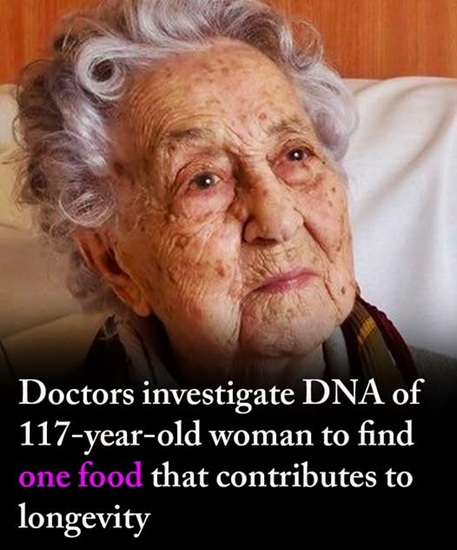
Across the world, many people are intrigued by the idea of living a longer and healthier life. While the concept of immortality remains beyond current science, researchers are continuously making progress in understanding why certain individuals live significantly longer than average. One of the most well-documented examples in recent years is Maria Branyas Morera, whose extraordinary lifespan has become a subject of scientific study.
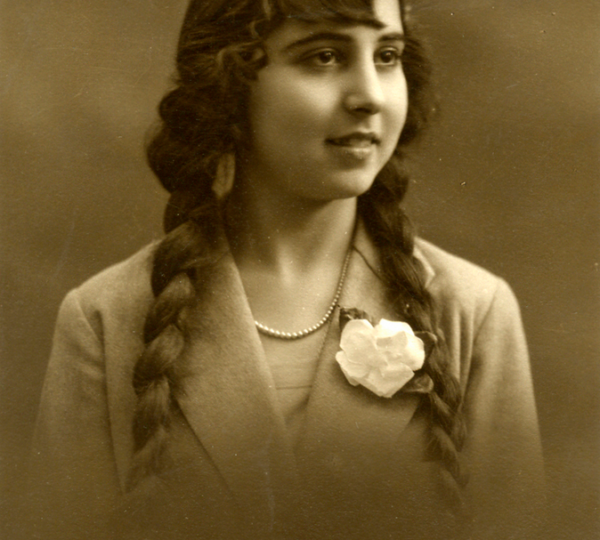
Maria Branyas Morera was born in the United States on March 4, 1907. Her life extended across more than a century of major global change, allowing her to witness historical events, technological progress, and shifts in modern society that few people in history have experienced firsthand. Although she was born in San Francisco, she relocated with her family to Spain in 1915, where she settled in the Catalonia region.
Her early life included difficult moments, including the loss of her father during the journey to Europe due to illness. Despite these early challenges, she built her life in Spain, where she spent the rest of her long and remarkable years.
A Century Spanning Major Historical Transformations
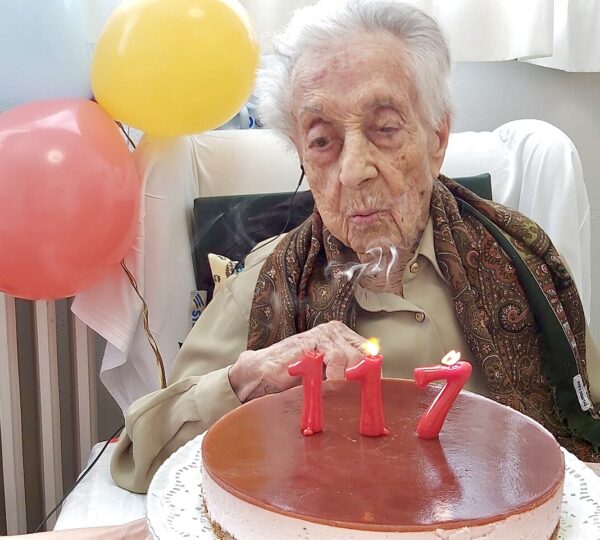
During her lifetime, Maria Branyas Morera experienced more than a hundred years of global transformation. She lived through two world wars, major political changes, and rapid technological advancements that reshaped communication, medicine, and daily life.
Her lifespan also covered the leadership of 21 U.S. presidents, reflecting just how extensive her life timeline truly was. As she grew older, she became recognized as one of the world’s oldest verified individuals, attracting attention from both the public and scientific communities.
What made her story particularly notable was not only her age but also the level of mental awareness and social connection she maintained into advanced years, which is often of interest in aging research.
Scientific Study of Her Genetics and Biological Profile
In accordance with her personal wish, Maria Branyas Morera requested that her DNA and biological data be studied after her passing. She hoped that her case could contribute to scientific understanding of human aging and potentially help future generations live healthier lives.
Following this request, researchers in Spain, including teams from institutions such as the University of Barcelona and the Josep Carreras Leukaemia Research Institute, began analyzing her genetic material and cellular structure. Their goal was to examine biological markers associated with aging and longevity.
The study focused on understanding how her body functioned at an advanced age and what factors might have contributed to her exceptional lifespan. Her case provided scientists with a rare opportunity to examine the biology of a supercentenarian.
Important Biological Observations
The findings from her biological analysis revealed several interesting characteristics. Researchers observed that some of her health indicators appeared more favorable than expected for someone of her chronological age.
One notable observation was her lipid profile, which showed low levels of harmful cholesterol and higher levels of beneficial cholesterol. These factors are generally associated with better cardiovascular health and reduced risk of certain age-related conditions.
Scientists also considered her lifestyle patterns as part of the broader analysis. She was known for maintaining a balanced daily routine, avoiding smoking and alcohol, and staying socially active throughout her life. These behaviors are commonly associated in research with healthier aging outcomes.
Her diet also included fermented foods such as yogurt, which contains beneficial probiotics. While no single dietary element can determine lifespan, such nutritional habits are often studied in relation to gut health and overall wellness.
Understanding Telomeres and Aging Science
Another important aspect of the research involved telomeres, which are protective structures located at the ends of chromosomes. In many biological studies, shorter telomeres are associated with aging and increased vulnerability to certain diseases.
However, in cases involving extremely elderly individuals, telomere behavior can be more complex and not always follow standard aging patterns. Maria Branyas Morera’s biological data contributed to ongoing scientific discussions about how aging markers should be interpreted in supercentenarians.
Researchers emphasized that extreme longevity is unlikely to be explained by a single factor. Instead, it appears to result from a combination of inherited genetics and lifelong environmental and behavioral influences.
Lifestyle Factors and Daily Habits
Beyond genetics, Maria Branyas Morera’s lifestyle was also considered an important element of her longevity profile. Reports suggest that she maintained consistent routines, valued emotional stability, and remained mentally engaged throughout her later years.
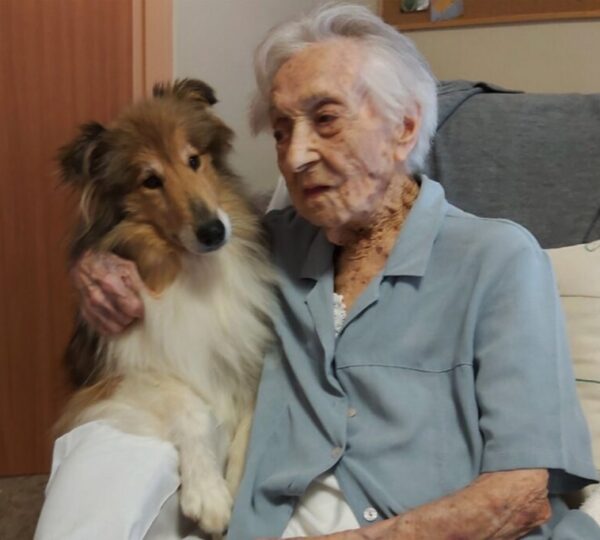
She was known to prioritize calmness, regular habits, and strong connections with family and friends. Social interaction and emotional well-being are widely recognized in scientific studies as important contributors to healthy aging.
Her approach to life reflected simplicity and balance, avoiding unnecessary stress and focusing on maintaining positive relationships and daily structure. These factors are often examined in longevity research as supportive elements of long-term health.
Public Reflections and Global Attention
In her later years, Maria Branyas Morera also shared reflections on life, aging, and society, often with assistance from family members. She expressed concern about the treatment of elderly people and emphasized the importance of dignity and care for older generations.
She gained additional attention when she recovered from COVID-19 in 2020, becoming one of the oldest known individuals to do so. This event further increased public interest in her resilience and overall health condition.
Her thoughts often highlighted the importance of family, emotional balance, and maintaining a positive outlook on life, which resonated with many people who followed her story.
Scientific Interpretation and Key Insights
Researchers studying her case concluded that extreme longevity is likely influenced by a combination of genetic background and lifestyle choices. While genetics provide a biological foundation, long-term habits and daily behaviors appear to play a significant role as well.
Her example supports the idea that aging is a complex and individualized process that cannot be explained by a single factor alone. Instead, it involves multiple interacting elements, including biology, environment, and behavior.
Studies like hers continue to help scientists better understand how human health evolves over time and what factors may contribute to longer and healthier lives.
A Legacy for Science and Humanity
Maria Branyas Morera’s life remains an important reference point in the study of human longevity. Living to the age of 117, she provided valuable insight into how some individuals can reach extreme age while maintaining relatively stable health.
Her story continues to inspire both scientific research and public interest in aging and longevity. Although many questions about human lifespan remain unanswered, her case contributes to ongoing efforts to understand the biology of aging.
Ultimately, her legacy is not only defined by her long life but also by the scientific knowledge and curiosity her journey continues to inspire.
