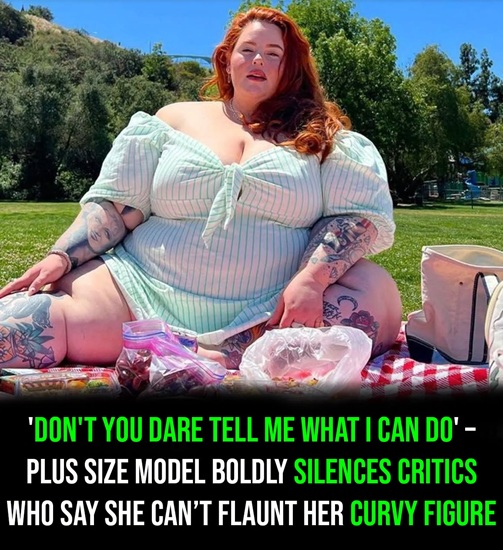
Social media has fundamentally reshaped the concept of celebrity in the modern world. Unlike traditional fame, which was once controlled by television, film, or fashion industries, today’s influencers build their platforms directly through online engagement. This shift has created a new type of public figure—individuals who can reach millions of people instantly through personal content. These influencers often shape opinions on lifestyle, beauty, health, and identity.
While some focus on entertainment or trends, others use their platforms to challenge deeper social issues, including long-standing norms about body image and self-worth. Among the most prominent voices in this movement is Tess Holliday, a plus-size model and body positivity advocate. Over the years, she has become widely known not only for her work in fashion but also for her outspoken stance on body acceptance.
Her career has often placed her at the center of public discussion, as she represents a body type that has historically been underrepresented in mainstream media. Through her visibility, she has challenged traditional beauty standards and encouraged broader conversations about diversity and inclusion.
Now in her mid-thirties, Holliday has experienced both the opportunities and challenges of being a highly visible public figure. While she has built a successful modeling career and a strong online following, she has also faced consistent criticism and scrutiny. Much of this criticism focuses not only on her appearance but also on what her presence represents in the fashion industry. Despite this, she continues to speak openly about the emotional impact of being judged primarily based on body size.
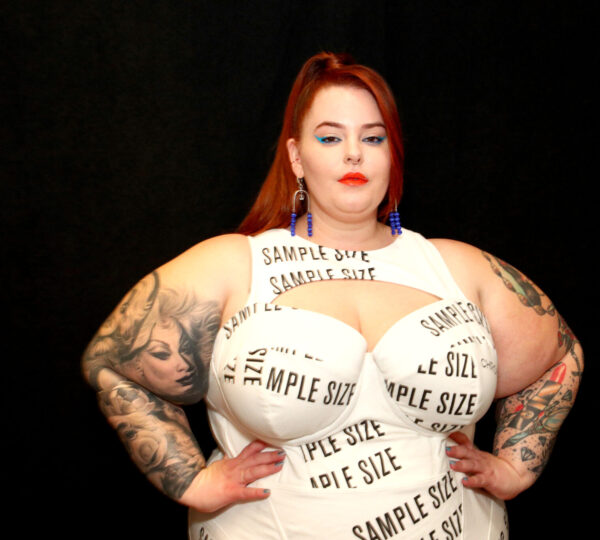
One of the key themes in Holliday’s message is the use of language, particularly how words like “fat” are interpreted in society. She has explained in interviews that she does not view the word itself as inherently negative. Instead, she believes its meaning depends on the intent behind its use. When used as a neutral descriptor, it can simply describe body size. However, when used to shame or insult, it becomes harmful and damaging. This distinction plays an important role in her broader advocacy work.
Holliday has also emphasized that she is comfortable with identifying as a plus-size and fat woman. For her, these terms are descriptive rather than derogatory. However, she strongly opposes the use of such language as a form of body shaming. In her view, negative labeling often reflects more about societal attitudes than about the individuals being described. She encourages people to think carefully about how language can influence perception and reinforce stereotypes.
A central part of her message involves challenging the idea that body size should determine a person’s value or capability. Holliday has often pointed out that individuals in larger bodies are frequently judged unfairly or assumed to be unhealthy, lazy, or less capable. She argues that these assumptions are not only inaccurate but also harmful. By sharing her own experiences, she aims to highlight the importance of separating physical appearance from personal worth.
Another important aspect of her advocacy is the impact of online communication. Holliday has spoken about how social media can amplify both support and criticism. While it has allowed her to reach a global audience, it has also exposed her to intense negativity and public judgment. She has encouraged more mindful communication online, emphasizing that words shared on digital platforms can have real emotional consequences for others.
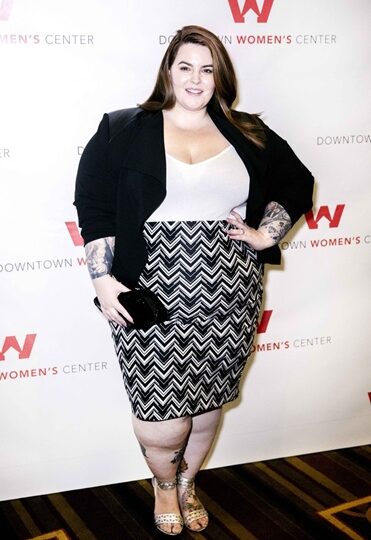
Throughout her career, Holliday has faced backlash from critics who believe her visibility promotes unhealthy standards. Some argue that plus-size representation in media sends the wrong message about health. In response, she has consistently stated that body acceptance is not about promoting any specific lifestyle, but about ensuring that all people are treated with dignity and respect. She believes that health and self-worth are separate concepts and should not be conflated with body size alone.
Holliday also challenges the idea that shaming people leads to positive change. She argues that criticism and humiliation rarely inspire long-term healthy habits or self-improvement. Instead, she believes that acceptance and compassion are far more effective in promoting well-being. Her perspective is rooted in the belief that people respond better to support than to judgment, especially when it comes to sensitive issues like body image.
Over time, her message has contributed to broader discussions about representation in fashion and media. While the industry has traditionally favored narrow beauty standards, there has been a gradual shift toward more inclusivity. Holliday’s presence in campaigns, magazines, and public discussions has played a role in pushing these boundaries. Even when controversial, her visibility has encouraged people to reconsider long-standing assumptions about beauty and normality.
Ultimately, Tess Holliday’s advocacy centers on the idea of self-acceptance and respect. She encourages individuals to question societal expectations and to recognize the diversity of human bodies. Her message is not about rejecting health or personal growth, but about rejecting shame as a tool of control. Through her work, she continues to promote the idea that people deserve dignity regardless of size, appearance, or conformity to traditional standards.
Her story reflects a broader cultural shift taking place in society today. Conversations about body image are becoming more open, more complex, and more inclusive. While disagreements remain, the discussion itself has evolved, allowing more voices to be heard. In this context, Holliday stands as one of many figures contributing to a changing narrative about beauty, identity, and acceptance in the modern world.
