
“Please be kind. We are in our own living hell,” a mother pleaded as she desperately searched for answers after her son disappeared during a family trip to Japan. Her words reflected the emotional collapse of a situation that quickly moved from a normal vacation into a large-scale missing-person investigation involving police, volunteers, and international attention. The missing person, James “Weston” Higginbotham, an Auburn University student, had been traveling in Japan with his family beginning on May 25.
What was meant to be a meaningful family experience abroad quickly turned into a heartbreaking mystery only a few days into their journey, when Weston became separated from his family under unclear circumstances. His mother, Nancy Higginbotham, later described him as a well-traveled and academically focused student studying environmental engineering. She shared that he had a deep interest in nature, sustainability, and environmental responsibility.
These personal details helped shape public understanding of his personality as search operations expanded across the Kyoto region. One detail that drew attention during the early phase of the investigation was a disagreement between Weston and his mother shortly before he vanished. According to Nancy, the disagreement involved the use of artificial intelligence tools such as ChatGPT during their travels. She explained that Weston strongly disagreed with relying on such technology, as it conflicted with his personal views on environmental impact and modern digital dependence.
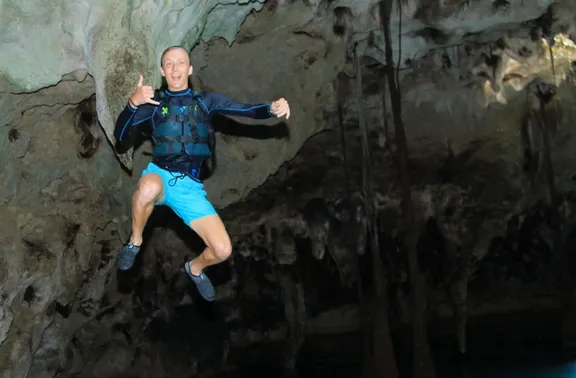
Although the disagreement was described as relatively minor, it became one of the last known interactions between them before his disappearance. Nancy later clarified that she did not believe this argument indicated any immediate danger, explaining that her son typically coped with stress by withdrawing and spending time alone.
As the investigation progressed, authorities began reconstructing Weston’s final known movements using surveillance footage, transportation records, and phone data. Reports confirmed that he was last seen in the Kyoto area on May 29, 2026. His last confirmed transaction was made at a hardware store in the region, after which he was later recorded at Kyoto Station at approximately 8:15 p.m.
Shortly afterward, his phone stopped transmitting signal around 8:29 p.m., marking the final digital trace of his presence. Available evidence suggested he may have boarded a local train on one of the regional lines heading east. Surveillance analysis later indicated that he exited at Yamashina Station, located outside central Kyoto. After this point, his movements could not be clearly confirmed.
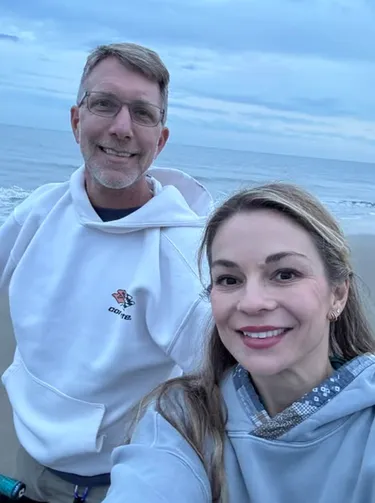
Following this development, search efforts began focusing on surrounding natural areas, particularly the mountainous and forested regions near Yamashina. These areas include hiking trails, temples, rivers, and rural pathways, which led investigators to consider the possibility that Weston may have entered these environments on foot.
By early June, the search area had expanded significantly. Nancy shared updates identifying several locations of interest, including Bishamon-do, Lake Biwa Canal, Misasagi, Keage, Nanzen-ji, Mount Otowa, and sections of the Kyoto Trail. These locations were prioritized due to their proximity to the last confirmed sighting and accessibility from public transportation routes.
On June 2, Nancy made an emotional public appeal for assistance as the search continued. She expressed deep concern and exhaustion, asking the public to remain alert and report any possible sightings. She also mentioned that online communities had become an important source of information and potential leads during the early stages of the investigation.
In her messages, she described Weston as an independent traveler, an environmental engineering student, and someone highly capable of navigating unfamiliar places. She also explained that the search conditions were becoming increasingly difficult due to weather, terrain, and dense forest areas that limited visibility and access for search teams.
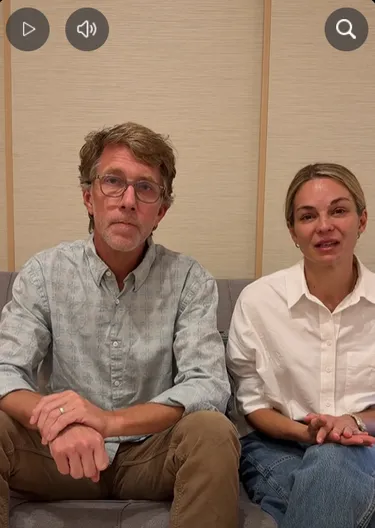
Despite these challenges, search operations intensified with the involvement of local authorities, volunteers, and international assistance. Helicopters were deployed to scan mountainous terrain, while ground teams carefully searched forests, trails, and rural zones surrounding Kyoto. The scale of the operation reflected both the uncertainty of Weston’s route and the complexity of the environment.
As the search continued, additional leads emerged, including unconfirmed sightings and further surveillance reviews. One report suggested that Weston may have been seen exiting at a different station, which temporarily renewed hope among family members and investigators. However, each lead required verification and did not always result in confirmation.
The emotional toll on the family increased over time as they followed every possible clue. Nancy continued sharing updates, expressing gratitude for the support of volunteers, police, embassy officials, and members of the public who contributed to the search effort. At the same time, she requested compassion as speculation and misinformation began circulating online.
By June 3, search efforts had expanded further, with coordinated teams covering both urban and rural areas around Kyoto. Despite extensive ground and aerial operations, no confirmed breakthrough was reported that day, although investigators continued analyzing possible routes and environmental factors.
On June 5, authorities reviewed additional surveillance footage, leading to new possible sightings that briefly revived hope. However, these leads remained uncertain and required further confirmation. The situation highlighted the difficulty of tracking movements in complex urban-to-rural transition areas.
Throughout the search, the family faced repeated cycles of hope and disappointment as potential sightings were investigated but not always verified. This emotional strain became a defining part of the experience, reflecting the unpredictable nature of missing-person cases in large natural environments.
Photographs from the search region showed dense forest terrain around parts of Kyoto and nearby areas. These images illustrated the difficult conditions faced by search teams, including steep paths, limited visibility, and heavily wooded regions that complicated navigation and slowed operations.
Eventually, on June 6, Nancy Higginbotham announced the tragic outcome that Weston had been found deceased in a mountainous area outside Kyoto by a volunteer search-and-rescue team. The statement marked the end of the active search and brought profound grief after days of uncertainty and widespread efforts to locate him.
In her message, she expressed heartbreak while also thanking everyone involved in the search, including volunteers, authorities, and members of the public who assisted in any way. The case left a deep emotional impact, highlighting both the challenges of missing-person investigations and the difficulties of searching in remote natural landscapes.
