
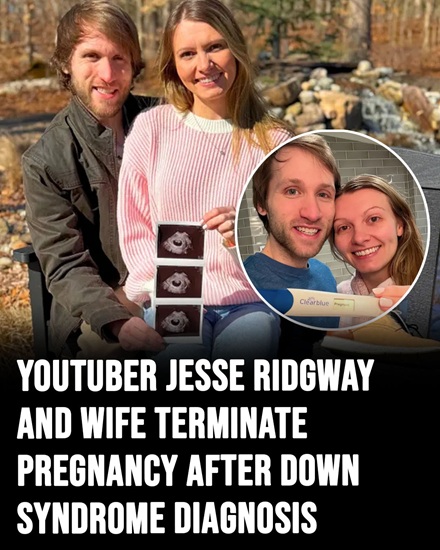
Jesse Ridgway, known online as Jesse Ridgway, and his wife Ashley recently shared a personal update about their pregnancy, describing a difficult medical situation involving prenatal genetic screening results and emotional decision-making. The couple published their statement through social media, explaining that the experience was deeply emotional and required careful consideration, medical consultation, and time to process unexpected prenatal test findings together.
Earlier in the year, they had announced their pregnancy publicly, expressing excitement and anticipation as they prepared for the next chapter of their lives as expectant parents. As the pregnancy progressed, they later received screening results indicating a high probability that the baby could have Down syndrome, also known as Trisomy 21. Trisomy 21 is a chromosomal condition caused by the presence of an extra copy of chromosome 21, which can affect physical development, cognitive abilities, and certain health aspects in varying degrees.
Medical experts explain that prenatal screening tests estimate likelihood rather than provide absolute diagnosis, often requiring further testing and genetic counseling to better understand potential outcomes. In their public message, Jesse and Ashley explained that the results led them to seek additional medical advice and carefully evaluate the situation before making any personal decisions. They described the period following the results as emotionally intense, involving uncertainty, fear, and the challenge of understanding complex medical information in a short timeframe.
According to their statement, they spent time discussing the situation privately, considering both emotional and medical factors before arriving at a final decision regarding the pregnancy. The couple emphasized that the decision was extremely difficult and made after thoughtful reflection, rather than in response to a single moment or piece of information. Jesse Ridgway shared that the experience placed significant emotional strain on both him and his wife, particularly as they navigated expectations of parenthood and medical uncertainty.
He noted that Ashley underwent a medical procedure earlier in the week, and they stated that it was completed without reported physical complications according to their account. Following the procedure, they described feeling emotionally drained, explaining that the combination of stress, grief, and uncertainty created a deeply challenging period for both of them. Prenatal screening for Down syndrome is commonly used in modern healthcare to identify potential chromosomal differences early in pregnancy for further evaluation.
Healthcare professionals typically provide counseling to help parents understand possible outcomes, available options, and the range of developmental possibilities associated with such genetic conditions. The condition itself can present differently from person to person, with varying levels of developmental, medical, and physical characteristics depending on individual circumstances. Many individuals with Down syndrome live meaningful lives, and outcomes often depend on early support, healthcare access, and educational resources provided throughout development.
In their statement, the couple reflected on how their understanding of the condition evolved after receiving more detailed medical explanations and counseling sessions. They explained that initial reactions included hope and uncertainty, followed by deeper emotional processing as they learned more about potential long-term implications. Jesse Ridgway described the experience as emotionally overwhelming, noting how quickly expectations of a joyful pregnancy shifted into a complex medical situation.
He emphasized that becoming parents brought them face to face with decisions they had never anticipated having to consider at such an early stage. The couple also acknowledged the emotional difficulty of interpreting probabilistic medical results, especially when outcomes are not guaranteed or fully predictable.
They shared that they tried to balance emotional readiness with medical advice while navigating a deeply personal and sensitive situation. According to their message, the process involved multiple conversations, reflection, and consultation with healthcare professionals before reaching their decision.
They stressed that their choice was based on personal circumstances and individual interpretation of medical guidance rather than external pressure. The announcement highlighted the emotional weight that often accompanies prenatal screening results, especially when they indicate elevated risk for genetic conditions. Such situations can create significant stress for expectant parents, who must process information while also managing emotional expectations of becoming a family.
The couple noted that they recognized the sensitivity of the topic and understood that different families may approach similar situations in different ways. They expressed awareness that prenatal decisions are deeply personal and often shaped by unique values, beliefs, and medical circumstances. Jesse Ridgway also addressed the emotional toll on Ashley, explaining that she experienced considerable stress throughout the process due to both physical and emotional factors.
He described the experience as one of the most difficult periods they have faced together as a couple during their relationship. The statement reflected on how unexpected medical information during pregnancy can alter emotional expectations and create uncertainty about the future. They emphasized that the situation required them to process complex emotions while also making time-sensitive decisions regarding medical options.
The couple acknowledged that public discussions around prenatal screening often bring diverse opinions and strong reactions from different audiences. They noted that conversations about genetic conditions and reproductive decisions can be emotionally charged and influenced by personal perspectives and life experiences. In their message, they also recognized the importance of respectful dialogue when discussing sensitive topics related to health and family planning.
They expressed gratitude for messages of support and understanding they received from friends, followers, and individuals who related to their experience. At the same time, they requested privacy as they continued to process the emotional impact of the situation and focus on healing together. Jesse Ridgway concluded his message by acknowledging individuals and families living with Down syndrome and other developmental conditions.
He expressed respect for their lives and emphasized appreciation for the dedication of families who support individuals with diverse developmental needs. The couple’s message highlighted the emotional complexity of prenatal decision-making when medical uncertainty intersects with personal expectations and future planning. It also reflected how modern prenatal screening can present families with challenging information that requires both emotional resilience and informed understanding.
Their experience illustrates how expectant parents may face difficult choices when confronted with uncertain medical outcomes during pregnancy. They described the situation as life-changing, requiring reflection, communication, and emotional strength throughout the entire process. The couple’s statement ultimately focused on honesty about their experience, acknowledging both the emotional difficulty and the seriousness of the decision they faced.
They emphasized that their journey was marked by grief, reflection, and the challenge of navigating unexpected medical information as future parents. While deeply personal, their story reflects broader realities that many families encounter when dealing with prenatal screening and genetic counseling. It also highlights the importance of supportive healthcare environments that provide clear information and emotional guidance during sensitive medical situations.
The couple reiterated that their decision was not made lightly, but after careful thought and consideration of all available information and advice. They described the experience as something that will remain emotionally significant for them moving forward as they continue their lives together. Their message closed with appreciation for understanding and respect from those who followed their announcement and engaged with their story.
Ultimately, the situation underscores how unpredictable and emotionally complex pregnancy can become when unexpected medical findings arise. It serves as a reminder of the deeply personal nature of reproductive health decisions and the wide range of factors that influence them. Jesse Ridgway and Ashley’s experience reflects a private journey shared publicly, marked by difficult emotions, medical uncertainty, and personal reflection during a significant life moment.

