Human personality is often described as a complex combination of thoughts, emotions, memories, habits, and preferences that develop over time through lived experiences and personal environments.
Psychologists and researchers in behavioral science have long studied how individuals express identity through everyday choices.
While scientific personality assessment typically relies on structured models such as surveys or validated psychological frameworks, many people are also drawn to informal self-reflection activities that offer symbolic interpretation.
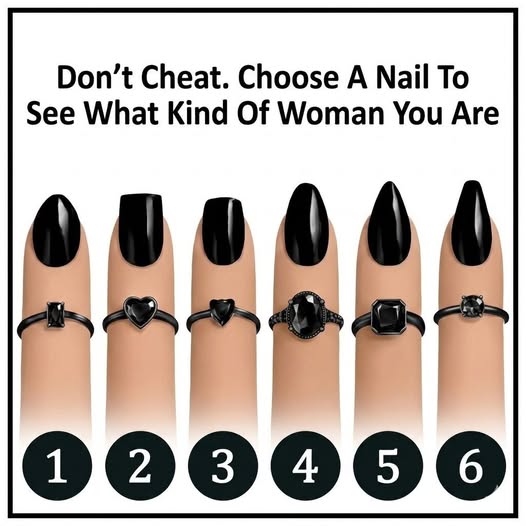
These are not scientific diagnoses, but rather creative tools for personal exploration. One popular form of this type of reflection involves visual preference tests, such as choosing a nail style, color, or design based on instinct.
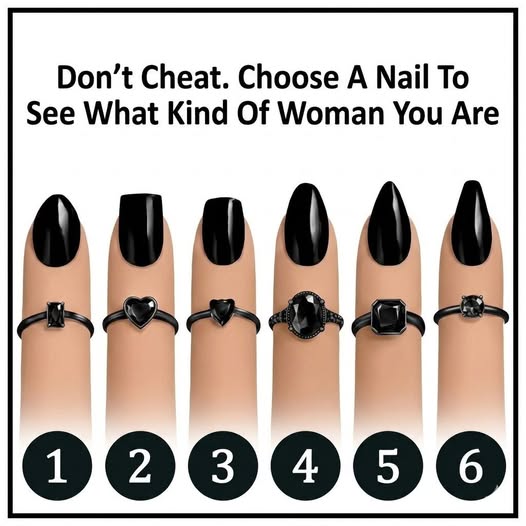
These choices are often used in online personality content as a way to encourage introspection rather than to provide factual psychological conclusions.
The idea behind this concept is simple: people may sometimes respond emotionally or intuitively to visual stimuli before rational thought takes over.
These initial preferences can feel meaningful because they reflect personal taste, mood, or subconscious associations.
If your attention is naturally drawn to a first minimalist nail style, this may reflect an appreciation for simplicity and clarity in daily life. Individuals who prefer minimal designs often value organization, calm environments, and reduced visual complexity.
People who relate to minimalist aesthetics may enjoy focusing on essentials rather than excess details. They often prefer practical decisions and may feel more comfortable in environments that are structured and predictable.
This preference can also reflect a personality that enjoys emotional balance and avoids unnecessary conflict or overstimulation. Such individuals may prioritize stability, personal space, and a sense of control over their surroundings.
If you are more attracted to soft or romantic nail designs, this may suggest an appreciation for emotional expression and aesthetic beauty. People drawn to these styles often value connection, empathy, and meaningful communication.
This type of preference is frequently associated with individuals who enjoy creativity, emotional depth, and thoughtful interactions with others. They may place importance on relationships, shared experiences, and emotional understanding.
Rather than focusing solely on outcomes or efficiency, they may also value the emotional quality of experiences and the meaning behind everyday moments. This can make them sensitive to atmosphere and social energy.
If a bold or playful nail style stands out to you, it may reflect a personality that enjoys creativity, spontaneity, and self-expression. People who prefer vibrant designs often appreciate variety and novelty in their lives.
They may feel energized by new experiences and enjoy breaking routine patterns in positive and flexible ways. Their personality may include a strong sense of humor, adaptability, and openness to change.
Such individuals often bring energy into social environments and may be seen as expressive or enthusiastic by others. They tend to enjoy sharing experiences and creating memorable moments in everyday life.
If a more elegant or structured nail style appeals to you, this may reflect a personality that values discipline, confidence, and goal-oriented thinking. Individuals with this preference may enjoy order, planning, and personal achievement.
They often appreciate quality, detail, and refinement in both personal style and professional life. Their approach to challenges may involve careful planning and a strong sense of responsibility.
These individuals may also feel comfortable in leadership roles or situations where decision-making and structure are important. They tend to focus on long-term progress and personal development.
If a mysterious or abstract nail design attracts your attention, it may reflect a reflective or introspective personality. Such individuals often enjoy thinking deeply about ideas, meaning, and human behavior.
They may prefer meaningful conversations over small talk and often value intellectual curiosity. Solitude or quiet environments may help them recharge and process thoughts more effectively.
People with this preference often observe details that others might overlook and may enjoy exploring creative or philosophical ideas. Their personality can be described as thoughtful, analytical, and perceptive.
If a free-spirited or unconventional nail style appeals to you, this may suggest a personality that values independence and individuality. These individuals often prefer self-expression without strict limitations or expectations.
They may enjoy exploring new ideas, cultures, or experiences that expand their worldview. Flexibility and creativity are often important aspects of their lifestyle and decision-making.
Such personalities may feel most comfortable when they are able to follow their own rhythm rather than conforming strictly to external expectations. They often appreciate authenticity and personal freedom.
It is important to understand that these interpretations are symbolic rather than scientific. Choosing a visual style does not determine personality in a definitive way, but it can encourage reflection about personal preferences and identity.
Human behavior is influenced by many factors, including upbringing, environment, culture, and individual experience. Because of this, personality cannot be accurately defined by a single choice or preference.
However, reflective exercises like this can still be valuable as they encourage individuals to pause and think about how they express themselves in daily life. They can also highlight aspects of identity that might otherwise go unnoticed.
The purpose of such personality-style content is not to label individuals, but to inspire curiosity and self-awareness. It offers a light and creative way to explore personal identity through imagination and interpretation.
Ultimately, every individual expresses themselves in multiple ways depending on context, mood, and life experience. Personality is not fixed in a single category, but rather fluid and continuously evolving.
You may identify with one style in one moment and a completely different one in another situation, which reflects the dynamic nature of human psychology and self-expression.
This type of self-reflection can serve as a reminder that identity is multi-layered and cannot be fully captured by simple descriptions or categories. Each person contains a combination of traits that interact in unique ways.
Whether you resonate with minimalism, creativity, structure, mystery, or freedom, each preference represents a different aspect of human expression rather than a fixed definition of who you are.
In the end, the value of this exercise lies not in determining an exact personality type, but in encouraging awareness of how personal preferences shape the way we see ourselves and the world around us.
