
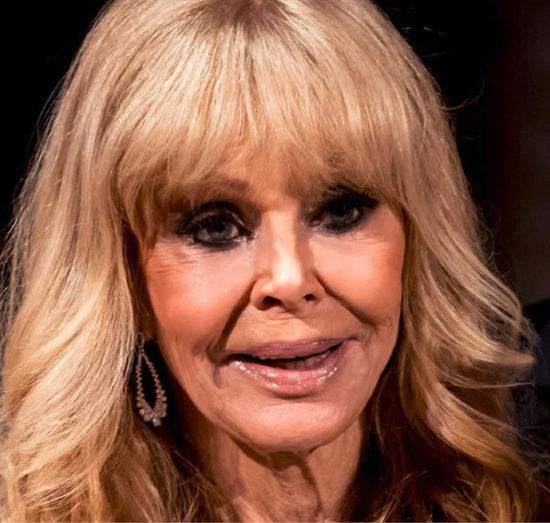
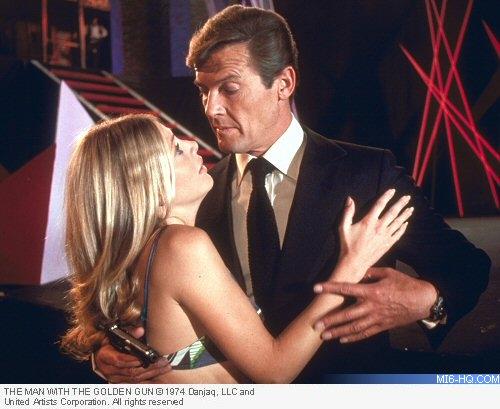
British-Swedish actress Britt Ekland remains one of the most recognizable figures associated with the classic James Bond era, thanks to her memorable portrayal of Mary Goodnight in The Man with the Golden Gun.
Born in Stockholm, Sweden, in 1942, Ekland began her journey into acting at a young age, eventually studying theater before moving into film. Her early work helped establish a foundation for her later international success.
She first gained wider attention in European cinema during the early 1960s, appearing in a variety of roles that showcased both her beauty and her ability to adapt to different genres and storytelling styles.
Ekland’s breakthrough into global recognition came as she transitioned into English-language films, where her striking screen presence and charisma made her a sought-after actress during a highly competitive era in cinema.
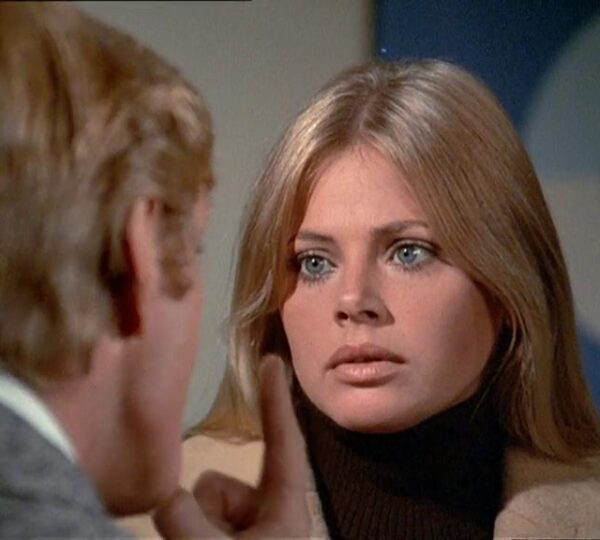
During the late 1960s and early 1970s, she became a familiar face in both Hollywood and European productions, steadily building a reputation that extended beyond acting into fashion and celebrity culture.
Her personal life also drew considerable media attention, particularly her marriage to actor Peter Sellers, which placed her firmly in the spotlight of international celebrity circles during that time.
Following her relationship with Sellers, Ekland remained a prominent public figure, later becoming associated with musician Rod Stewart, further cementing her status as a cultural icon of the era.
While her personal life often made headlines, Ekland continued to pursue acting opportunities, demonstrating resilience and professionalism in an industry that frequently blurred the line between private and public life.
Her casting as Mary Goodnight in The Man with the Golden Gun marked a pivotal moment in her career, introducing her to an even broader global audience.
In the film, she starred opposite Roger Moore, who was portraying James Bond during a period when the franchise was evolving toward a lighter, more humorous tone.
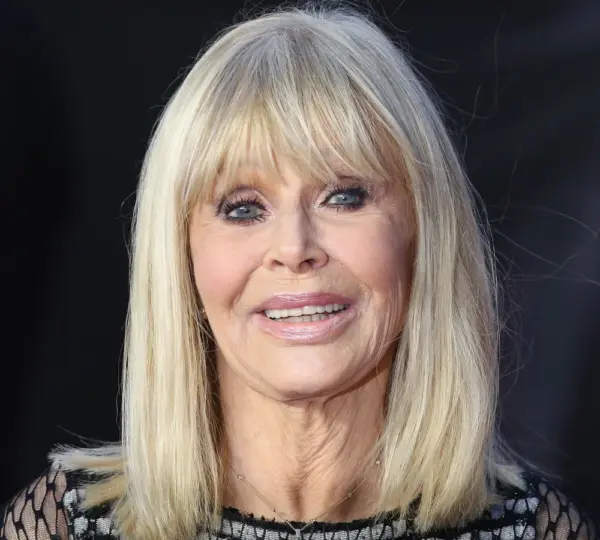
Mary Goodnight, as a character, was written with comedic elements, often portrayed as charming but occasionally clumsy, which set her apart from some of the more serious or mysterious Bond women of earlier films.
Despite mixed critical reactions to the character, Ekland’s performance left a lasting impression on audiences, ensuring her place in the enduring legacy of the James Bond franchise.
The Bond series, known for its global reach and cultural impact, significantly amplified Ekland’s fame, making her one of the most recognized “Bond girls” of her generation.
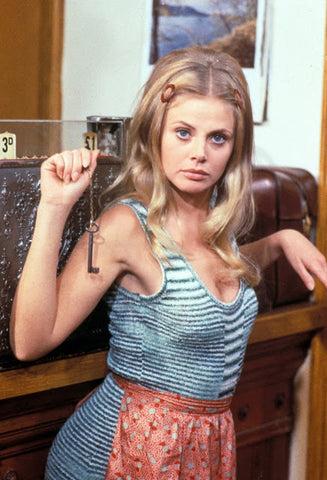
Beyond Bond, Ekland delivered a notable performance in The Wicker Man, a film that has since become a cult classic within the horror genre.
Her role in that production demonstrated a different side of her acting abilities, allowing her to participate in a more atmospheric and psychologically complex narrative compared to mainstream commercial films.
Another significant project in her career was Get Carter, where she appeared alongside leading actors in a gritty crime story that has since been widely respected in British cinema.
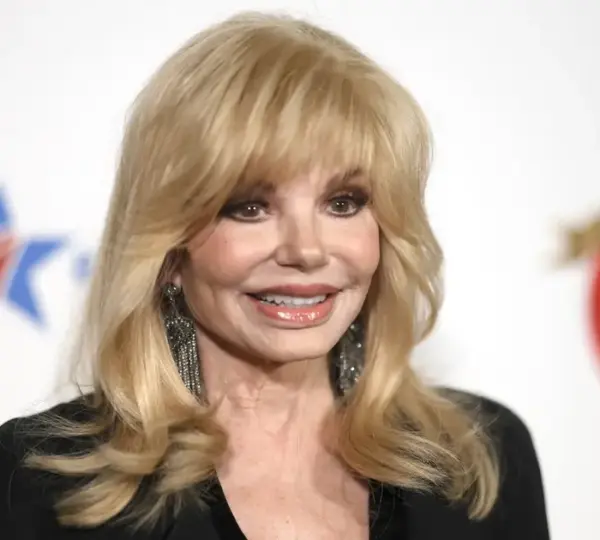
Through these roles, Ekland showed versatility, moving between genres such as thriller, horror, comedy, and action, which helped sustain her career across changing industry trends.
The 1970s entertainment industry presented both opportunities and challenges, especially for women, and Ekland has spoken openly about her experiences navigating that environment.
In interviews, she has reflected on the pressures placed on actresses during that era, including expectations related to appearance, public image, and limited control over career decisions.
At the same time, she acknowledges that the period also brought her considerable success, global recognition, and opportunities to work with influential figures in film and entertainment.
As the decades progressed, Ekland gradually shifted her focus away from major film roles, choosing instead to explore work in theater, television, and occasional guest appearances.
Her stage performances allowed her to reconnect with the craft of acting in a more direct and personal way, often engaging with live audiences in a format very different from film production.
Television appearances further kept her in the public eye, enabling her to reach new audiences while maintaining connections with longtime fans who remembered her earlier work.
In addition to acting, Ekland has participated in various interviews and documentaries, offering insights into her career and the broader evolution of the entertainment industry.
She has frequently discussed how the portrayal of women in film has changed over time, particularly within major franchises like James Bond.
According to Ekland, modern Bond films tend to present female characters as more independent, capable, and central to the storyline, reflecting broader cultural and societal shifts.
She has also noted that working conditions on film sets have improved significantly, with increased professionalism and clearer boundaries compared to earlier decades.
Movements advocating for workplace respect and equality have contributed to these changes, reshaping expectations and standards across the entertainment industry.
Ekland’s willingness to speak candidly about her experiences has been appreciated by many, as it provides valuable historical perspective on how the industry has evolved.
Despite stepping back from leading roles, she continues to attend public events, film festivals, and interviews, where she remains an engaging and recognizable figure.
Her enduring association with the James Bond franchise continues to define a significant part of her public identity, even decades after her appearance in the series.
Fans of classic cinema often view her as a symbol of a particular era, characterized by glamour, international intrigue, and distinctive storytelling styles.
The visual style of 1970s Bond films, including elaborate costumes and exotic locations, contributed to the lasting appeal of characters like Mary Goodnight.
Ekland’s contribution to that aesthetic remains an important part of how the era is remembered by audiences and critics alike.
In recent years, she has embraced a quieter lifestyle, balancing occasional public appearances with personal time away from the constant demands of the entertainment industry.
Social media and modern media platforms have allowed her to stay connected with fans, sharing reflections and moments from her life and career.
Her continued visibility highlights the lasting impact of iconic film roles and how they can shape an actor’s legacy over time.
Even in her 80s, Ekland is often described as maintaining a strong sense of style and presence, reflecting the confidence and charisma that defined her earlier years.
Her story illustrates how careers in entertainment can evolve, adapting to changing circumstances while still preserving a connection to past achievements.
The longevity of her recognition speaks to the power of film as a cultural medium and the enduring appeal of memorable performances.
Ekland’s experiences also serve as a reminder of how public perception of celebrities can shift over time, influenced by both media narratives and personal choices.
Her openness about both the positive and challenging aspects of her career adds depth to her public image, making her more than just a symbol of a bygone era.
For many fans, she represents a bridge between classic and modern cinema, connecting different generations through shared appreciation of film history.
Her work continues to be revisited by new audiences, particularly through streaming platforms and retrospectives that highlight influential films from the past.
This renewed interest ensures that her contributions remain relevant, even as the industry continues to change and expand.
Ekland’s legacy is closely tied to the golden age of James Bond, a period that emphasized spectacle, charm, and larger-than-life storytelling.
At the same time, her broader body of work demonstrates that her career extended far beyond a single role or franchise.
Her ability to navigate fame, maintain a public presence, and reflect thoughtfully on her experiences contributes to her enduring relevance.
In many ways, she embodies the complexities of celebrity culture, balancing personal identity with public expectations across decades of visibility.
Her journey also highlights the importance of adaptability in an industry that is constantly evolving, both creatively and socially.
While she may no longer pursue major film roles, her influence continues through interviews, public appearances, and the lasting impact of her performances.
The continued admiration for her work underscores the timeless nature of certain films and characters that resonate with audiences long after their release.
As a result, Britt Ekland remains a respected figure within the history of cinema, appreciated for both her contributions and her perspective on the industry.
Her story reflects not only individual success but also broader changes in how film, fame, and gender roles have developed over time.
Ultimately, her legacy is defined by a combination of talent, resilience, and cultural impact that continues to be recognized by fans and critics alike.
Through her work and reflections, she offers a unique window into the past while remaining a relevant voice in conversations about the future of entertainment.
Even today, she stands as a reminder of how a single iconic role can leave a lasting impression, shaping both a career and a place in cinematic history.

