
A Mysterious Health Concern Begins. What initially appeared to be a routine childhood illness became a growing concern for a family after their eight-month-old infant began showing persistent respiratory symptoms that required close monitoring.
The baby developed a recurring cough that was particularly noticeable during nighttime hours, which naturally caused concern for the parents as they observed changes in breathing patterns.
At times, the infant’s breathing appeared slightly shallow, prompting the family to check frequently to ensure the child remained safe and comfortable during sleep periods.
These symptoms led the family to seek medical evaluation, hoping to identify the cause and receive appropriate treatment for the ongoing respiratory discomfort.
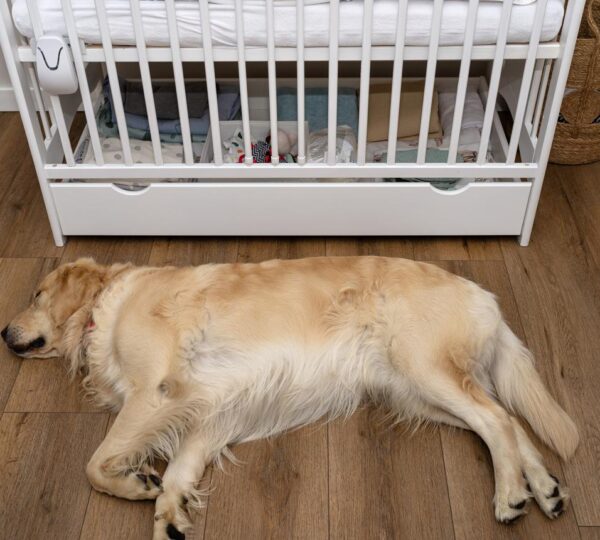
Initial assessments suggested the condition may be related to infant respiratory sensitivity, a relatively common issue in early development, and a treatment plan was recommended.
Despite following medical advice carefully and maintaining prescribed care routines, the symptoms did not fully improve and continued to fluctuate in intensity over time.
The infant also showed signs of fatigue, reduced appetite, and difficulty maintaining restful sleep, which increased the family’s concern about underlying causes.
As time passed, the situation created emotional strain as the family continued searching for explanations beyond the initial diagnosis provided by healthcare professionals.
A Sudden Change in Household Animal Behavior
During this same period, the family’s dog, a previously calm and familiar household pet, began exhibiting unusual and repetitive behavior inside the home environment.
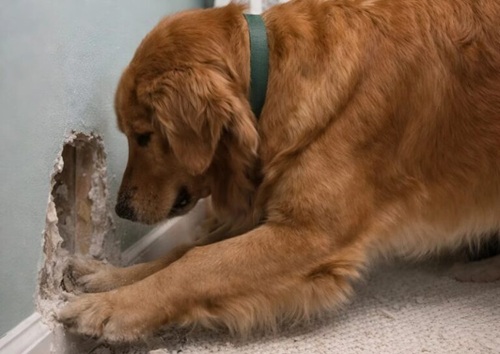
The dog repeatedly focused on a specific section of the nursery wall, located directly behind the infant’s crib, and began scratching at the surface with unusual persistence.

This behavior was unexpected, as the animal had never shown similar fixation or destructive tendencies within the household before this period of illness.
At first, the family assumed the behavior might be curiosity, stress, or attention-seeking, and attempted to gently redirect the dog away from the area.
However, despite repeated efforts to discourage the behavior, the dog continued returning to the same exact spot on the wall with consistent determination.
Over time, the intensity of the behavior increased, drawing more attention to the specific area the dog appeared to be investigating repeatedly.
The dog’s actions became difficult to ignore, as it persistently focused on the same section even when physically removed from the room.
Signs of Escalating Concern
As days progressed, the scratching behavior became more forceful, and the dog appeared increasingly focused, as if reacting to something not easily detectable by humans.
The repeated interaction with the wall eventually caused visible wear to the surface, prompting the family to inspect the area more closely for potential issues.
This stage marked a turning point, as the behavior was no longer interpreted as simple curiosity but as a possible response to environmental factors.

The family began to consider whether something hidden behind the wall could be contributing to both the dog’s behavior and the infant’s ongoing symptoms.
Discovery Behind the Wall
After carefully examining the affected section, the family discovered signs of moisture damage within the internal structure of the wall behind the crib area.
A closer inspection revealed evidence consistent with a slow plumbing leak, which had likely developed over an extended period without immediate visible signs.
The moisture accumulation had created conditions suitable for the development of mold growth within the concealed area of the wall structure.
The affected zone was located directly behind the infant’s sleeping area, which raised additional concern regarding potential environmental exposure.
Understanding the Possible Connection
This discovery provided a possible environmental explanation that could potentially relate to both the infant’s respiratory symptoms and the dog’s unusual focus on the wall.

Exposure to damp environments and mold-related conditions can contribute to indoor air quality issues that may affect sensitive individuals, particularly infants.
Animals such as dogs may also detect changes in scent or environmental conditions that are not easily noticeable to humans in everyday settings.
In this case, the dog’s repeated attention to the wall may have been influenced by sensory detection of moisture or odor changes within the structure.
Although no immediate conclusion can be made without professional assessment, the situation highlighted the importance of environmental inspection in persistent health concerns.
Immediate Action Taken by the Family
Following the discovery, the family took immediate steps to address the suspected source of the issue by contacting professionals for assessment and repair.
The identified leak was repaired, and affected materials were evaluated for removal to reduce potential ongoing exposure to moisture and contamination.
Efforts were made to improve ventilation and ensure that the nursery environment was restored to a safe and healthy condition for the infant.
The family prioritized environmental safety measures to prevent recurrence and to support overall household well-being following the discovery.
Importance of Environmental Awareness
This situation highlights the importance of observing both health symptoms and behavioral changes within a household environment over time.
Persistent symptoms or unusual animal behavior may sometimes indicate underlying environmental conditions that require further inspection and evaluation.
Early detection of moisture, leaks, or air quality issues can play a significant role in preventing long-term complications in living spaces.
Careful attention to subtle changes within the home can help identify potential risks before they develop into more serious problems.
Role of Observation in Problem Solving
The case also demonstrates how careful observation of both human health and animal behavior can contribute to identifying hidden environmental issues.
In this instance, the combination of medical concern and unusual pet behavior ultimately led to the discovery of a concealed structural problem.
Without attention to these warning signs, the underlying issue might have remained undetected for a longer period of time.
This reinforces the importance of considering multiple perspectives when evaluating ongoing household or health-related concerns.
Conclusion
The family’s experience illustrates how interconnected health, environment, and animal behavior can be in identifying hidden issues within a home.
What initially appeared to be separate challenges ultimately converged into a single environmental cause that required timely intervention and repair.
Through careful observation and appropriate action, the family was able to address the problem and restore a safer living environment.
This case serves as a reminder that paying attention to subtle changes can play a crucial role in maintaining both health and home safety.

