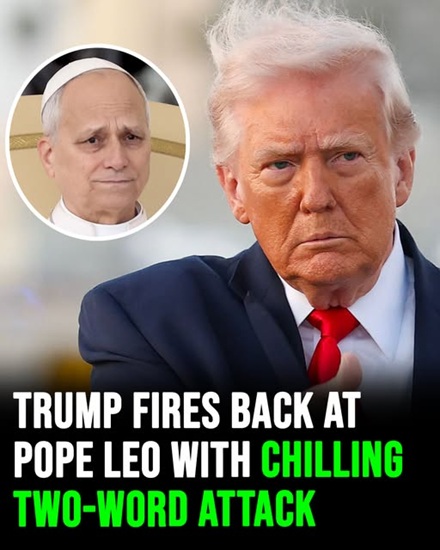
Recent posts circulating on social media and lesser-known websites claim a confrontation between Pope Leo XIV and Donald Trump regarding U.S. military actions in Iran.
However, there is no verified evidence that such statements or exchanges actually occurred in any official capacity. According to these unverified narratives, Pope Leo XIV allegedly criticized escalating tensions in the Middle East during a public religious address.
The claims suggest he warned that certain military actions could intensify global hostility and potentially conflict with international legal standards.
These viral accounts further state that the pope spoke during a service reportedly held at St. Peter’s Basilica in Vatican City. In these posts, he is said to have emphasized themes of peace, restraint, and moral responsibility among world leaders.
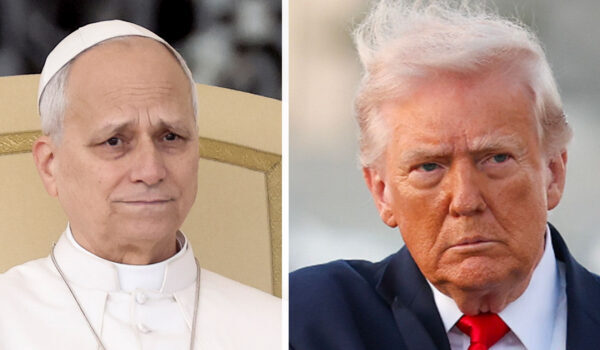
The same circulating stories attribute strong language to the pope, including general condemnations of war, power struggles, and what he allegedly described as excessive displays of political dominance.
However, none of these quotes are verified by official Vatican transcripts or trusted media sources.
The narrative also claims that Pope Leo XIV urged global leaders to prioritize diplomacy and avoid civilian harm in conflict zones. While these themes align with typical papal messaging, the specific wording and context remain unconfirmed and likely fabricated online.
Another portion of the viral text suggests that the pope directly addressed the situation in Iran, describing it as a factor contributing to rising international tensions. Again, no credible reporting confirms such a specific statement from any recognized pope under that name.
Fact-checking efforts show that “Pope Leo XIV” does not correspond to any currently recognized pope in the Roman Catholic Church. The widely known and verified pope in recent years has been Pope Francis, making this detail a major indicator of misinformation.
Despite this, the circulating story continues by claiming that Donald Trump responded publicly to the alleged remarks. These posts suggest he used strong language on social media platforms, criticizing the pope’s political commentary.
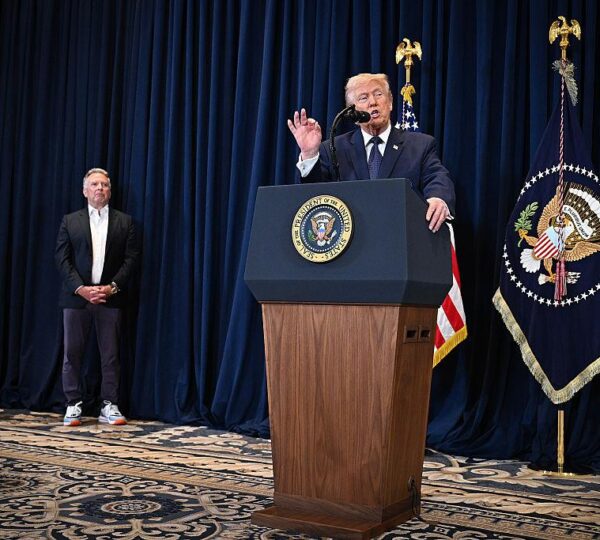
In these unverified claims, Trump is said to have described the pope as weak on foreign policy issues and accused him of misunderstanding the reasons behind U.S. strategic decisions. No official record or credible media outlet confirms such a statement.
The narrative also alleges that Trump questioned the legitimacy or selection of the pope, suggesting political bias in the Vatican’s decision-making. This portion of the story is particularly inconsistent with documented historical and institutional processes.
Experts in media verification note that viral political stories often combine real-world tensions with fictional dialogue to create emotionally engaging but misleading content. This pattern is visible in the structure of the current claim.
While debates between religious leaders and political figures do occur in real life, they are typically documented through official statements, press briefings, or verified interviews. None of these sources support the conversation described in the viral post.
The broader context behind such misinformation often involves ongoing global discussions about war, international law, and humanitarian concerns. These are real issues, but they are frequently used as backdrops for fabricated narratives online.
Some versions of the story attempt to present the exchange as a major diplomatic clash between the Vatican and the United States. However, no reputable diplomatic records or press agencies report any such confrontation.
It is important to note that misinformation can spread quickly when it combines recognizable names, emotional language, and current geopolitical topics. This makes verification essential before accepting such claims as factual.
In this case, both the existence of “Pope Leo XIV” and the quoted exchange with Donald Trump lack confirmation from authoritative sources. This strongly suggests the narrative is fictional or heavily distorted.
Although the text imitates the style of real political reporting, it does not meet the standards of verified journalism. No evidence supports the speeches, locations, or direct quotations attributed to either figure.
Readers are advised to approach similar viral content with caution, especially when it involves high-profile global leaders and dramatic confrontations. Cross-checking with reputable news organizations is essential.
In summary, the story appears to be a fabricated or unverified online narrative rather than a documented event. It blends real-world themes with fictional dialogue, making it misleading without proper context.
If you want, I can also fact-check line by line what is real vs fake or rewrite it into a fully verified news article based only on real events about Trump, Iran, and Vatican statements.
